


 Share
Share

The bustling markets of Kolkata have taken a hit from the continuous downpour. The resulting waterlogging has plagued large parts of South Bengal. As water continues to submerge areas like North and South 24 Parganas, the ripple effect on the vegetable and fish markets is quite alarming. The recent waterlogging has caused disruptions in the supply chain, following a surge in prices.
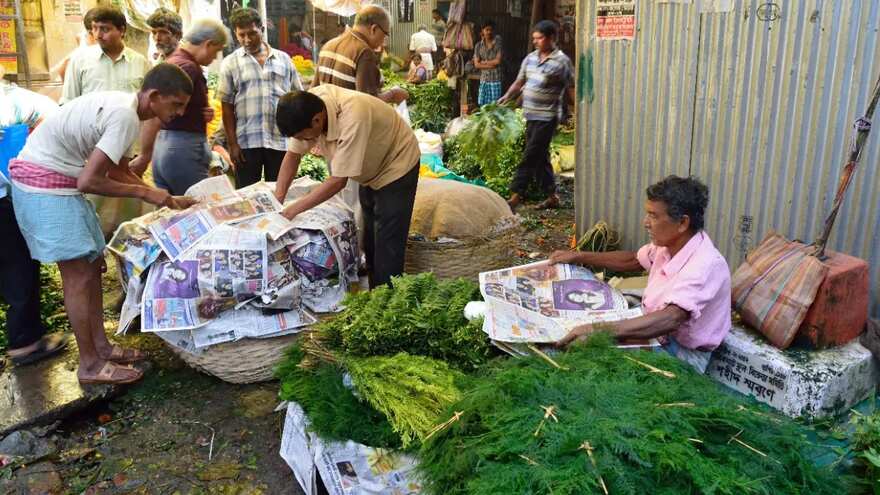
Image Credit: Pexels
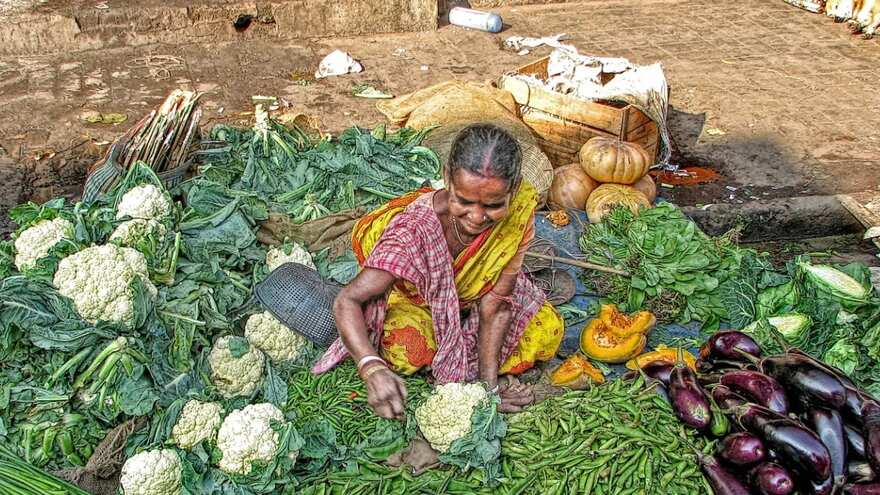
The price hikes have been particularly noticeable in the vegetable section. Items such as pointed brinjal, gourd, lady’s finger (okra), and tomatoes have seen the most significant rise. Once affordable produce is getting into a luxury one for many households, given that the festive season is fast approaching.
In markets like Maniktala, Salt Lake, Dumdum, and Gariahat, the pointed gourd, typically sold at ₹50-60 per kg, is now hovering around ₹80-90 per kg. Green chilli, which had been selling for ₹70-80 per kg, now costs around ₹150. Other vegetables, including okra and cucumbers, have also witnessed a sharp spike. For instance, lady’s finger, which once cost ₹40 per kg, is now being sold at ₹80.
"I never thought this day would come when vegetables would cost this much." The week before was bad, but now it's terrible. Sweety Mukherjee, a 33-year-old homemaker from Bagbazar, says, "My household expenditure is running out of control."
An IT professional and a mother to a 5-year-old, Paromita Banerjee, shared her disbelief at the sudden rise in prices,
"A week ago, we thought it was due to the festival rituals during Ranna Puja, but today the prices are unthinkable. Taro root, for instance, was ₹30 a week ago, and now it's ₹80 per kg."
These big price changes aren't typically for one or two vegetables. It’s happening for all the veggies regularly a middle-class household needs. For instance, pumpkin used to cost ₹30 per kg, but now it costs ₹60. Tomatoes used to cost ₹60 per kg, but now they cost ₹100. Also, ole, or elephant foot yam, used to cost ₹50 per kg but now costs ₹100 per kg.
"Prices are set to rise further as the flooding continues, and with the festive season around the corner, we expect supplies from the districts to dwindle," said Goumtam Mandal, a vegetable vendor at Bidhannagar market. “We’re facing an unpredictable market, and it’s hard to say what will happen next.”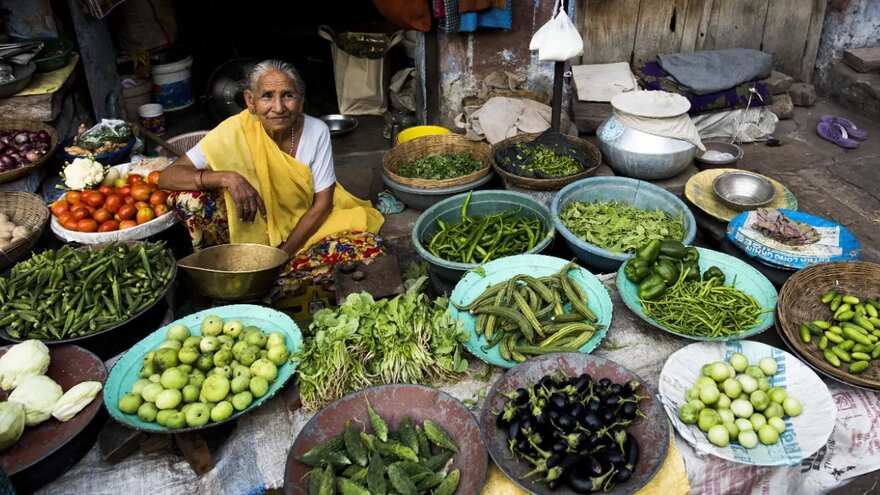
The cause of this price surge is multifaceted. Continuous rains have flooded key vegetable-growing regions, particularly in the districts of Bankura, North 24 Parganas, and South 24 Parganas. The waterlogging has damaged crops, hindered transportation, slowed down the supply chain, and, in turn, caused rising prices.
"We've been experiencing heavy rainfall in the districts for weeks now, and the impact on our vegetable cultivation is severe. Prices are soaring due to the destruction caused by the rain," explained a seller from the outskirts of Kolkata. "In many areas, the crops have been ruined, and it’s only the beginning of the effects."
With Durga Puja approaching, retailers fear that the situation will only worsen. The fear is that the flooding will further disrupt supplies, making it difficult for wholesalers to restock in time for the celebrations. As a result, Kolkata’s market is seeing a tightening of supply, leading to even higher prices for consumers.
The situation is not confined to vegetables alone. The fish market, a vital part of Bengali cuisine, is also feeling the pressure. Fish prices have spiked due to the delays in transportation caused by the flooded roads. No Bengali household can survive without a fish curry on the menu.
Sellers are struggling to stock up on fresh fish, and many fear a potential shortage as the rainy season continues. However, fish prices are still somewhat manageable for now, though there are concerns about the coming weeks. Even eggs, considered the most economical option for a household, are getting costlier.
"Fish have become pricier as well. Along with vegetables, these are also causing the biggest strain on the buyer's wallets," said Shyam Sundar, a fish vendor at Gariahat market. "If the rains continue, even fish might become difficult to source, and prices will take a skyrocketing leap. Even a kilo of loitta maach (Bombay Duck) is reaching above ₹ 150."
Both customers and vendors are having trouble keeping their businesses going because of the financial strain. It will be interesting to see how the markets handle the next few weeks, since the rains don't seem to be letting up and the holiday season is getting closer.




