


 Share
Share

In the middle of April, four major calendrical new years blossom across the Indian subcontinent. Be it Baisakhi in Punjab, Tamil Nadu’s Puthandu, Vishu in Kerala, Bengali Poila Boishakh, or Ugadi for Telugu and Kannada speakers, each festival marks a new beginning. Also celebrating the harvest season, the regional New Year’s perfectly celebrates abundance.
To get a deeper understanding of each festival, Slurrp spoke to chefs based in different regions of India. Beyond the classics, this piece explores their childhood memories, offering a glimpse into how the chefs who serve us today once celebrated these festivals at home.
Puthandu, Tamil New Year
Chef Harish Rao, Brand Chef, Hosa
Chef Harish Rao grew up straddling two new years, Ugadi from his Andhra roots, and Puthandu from the Tamil city he calls home. "It gave me a wider lens," he says. "Andhra celebrations feel raw, earthy, and rooted. Tamil celebrations feel structured and ritualistic. I carry both in how I cook and think about food today."
The spotlight of both festivals is pachadi. Bringing together six distinct tastes in a bowl, sweet from jaggery, sour from tamarind, bitter from neem flowers, heat from chilli, and saltiness from raw mangoes. "I must have been around six or seven. I remember being forced to taste Ugadi Pachadi and hating the bitterness of neem, but being told, 'This is life. You need to accept all of it.' That stayed with me more than the taste itself." For the Tamil New Year, Chef Harish remembers Puthandu through mango pachadi, sambar, rasam, poriyal, and payasam.
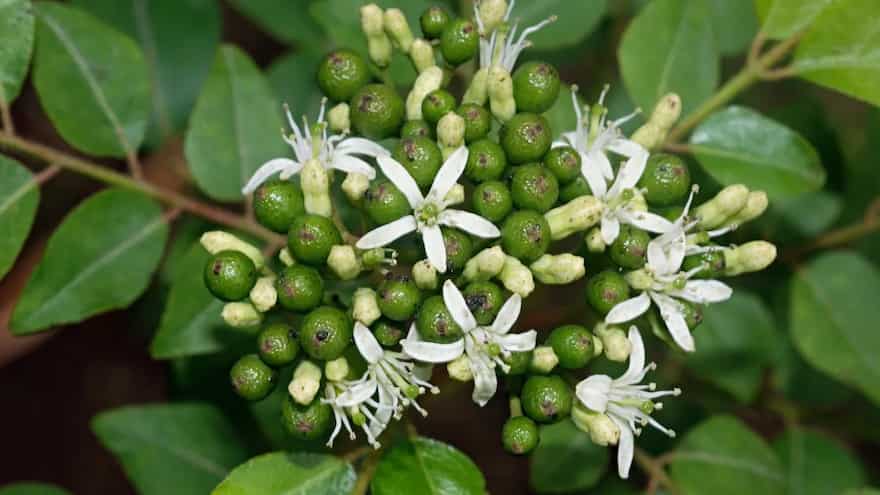
Image Credit: Adobe Stock
Chef Balachandar K, Executive Sous Chef, JW Marriott Hotel Bengaluru
Balachandar grew up in Bahoor, a small town near Pondicherry, in a household where food was "simple, seasonal, and prepared with intention." His fondest memory of Puthandu is the sound of his grandmother moving in the kitchen before sunrise, setting vessels on the stove, chopping the ingredients, and filling the home with the fragrance of jaggery and neem flowers. "Even today," he says, "that fragrance instantly takes me back to those mornings. It is one of the strongest core food memories I carry."
“The first thing we taste is usually neem flower pachadi," he shares. “The focus is on ensuring that the first meal of the year reflects Arusuvai, the six tastes. It’s less about restriction and more about creating a plate that feels balanced, complete, and rooted in tradition.” Talking about a dish his grandmother used to prepare that he misses, he says, “I miss Pirandai Urugai (cissus pickle). It had a very distinct taste and was also believed to be beneficial for the body. It’s not something you come across often now, because these traditional pickles require time, patience, and careful preparation, something many households don’t follow as closely anymore.”
Chef Srinivas A, Brand Chef, Chor Bizarre
Chef Srinivas is originally from Andhra Pradesh, but he grew up in Chennai, celebrating Puthandu. Beginning the New Year with neem flower pachadi, he says, “it has always been a part of the ritual that sets the tone for the day.” His grandmother used to make a neem flower rasam that has since disappeared from the family table. He does not try to recreate it. Some things, he seems to suggest, belong to their moment.
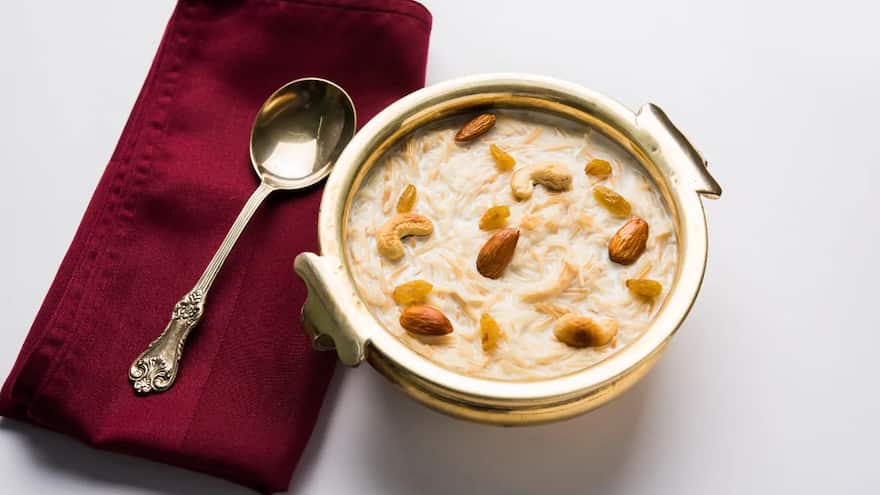
Image Credit: Freepik
The first bitter taste to date reminds him to accept all the flowers of life, not just the pleasant ones. “We make payasam and pachadi that are offered to God first, and are then served to the family members,” Chef Srinivas says. As for the non-negotiable ingredients for Puthandu, his family never compromised on raw mangoes, neem, and jaggery.
Poila Boishakh, Bengali New Year
Chef Soham Dhar, Chef de Cuisine, CUR8, Four Seasons Hotel Bengaluru
"Poila Boishakh is not just a festival," Soham Dhar says. "It's a feeling." He grew up in Kolkata, where the Bengali new year arrives with an intimacy that no amount of urban sprawl has managed to dilute. The day begins with something sweet like mishti or a spoon of doi, because, in Bengal, starting with sweetness is to aspire toward it.
Talking about the seasonal ingredients and non-negotiable dishes, Dhar mentions a rich use of raw mangoes, fresh jaggery, and sometimes nolen gur as well. “These ingredients find their way into dishes like aam pora sharbat, tok dal, or chutneys, balancing sweetness and tang, symbolic of life’s contrasts, he remembers. “Since the Poila Boishakh is about new beginnings, heavy or leftover food was generally avoided, and the entire spread was made fresh.”
Beyond luchi and chholar dal, ilish macher jhol is the one dish that the chef holds close to him. Sweets from Balaram Mullick & Radharaman Mullick or K.C. Das or homemade mishti were also an essential part of his family's festivities.
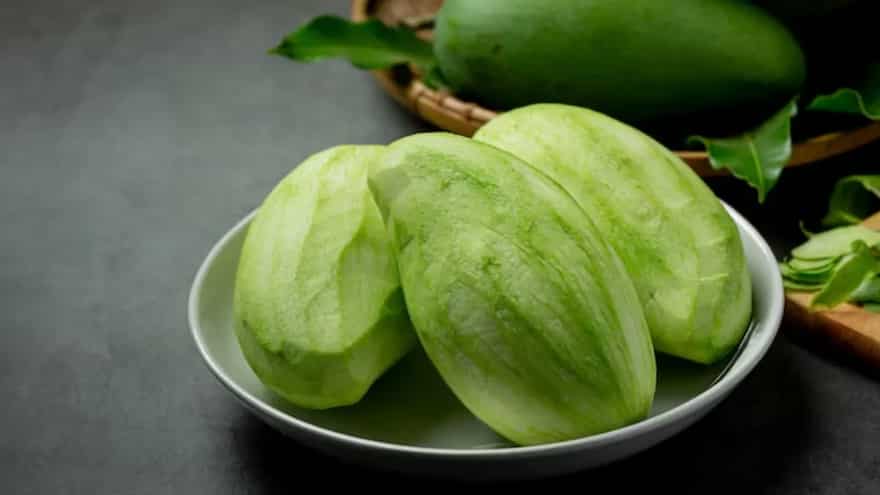
Image Credit: Freepik
Nirupam Guha, Executive Sous Chef, Radisson Blu Bengaluru Outer Ring Road
"I remember sitting on my uncle's lap, eating Kosha Murgi with hot Luchi. Afterwards, I was given Mihidana, which I absolutely loved.” Chef Nirupam paints a picture of Poila Boishakh from his childhood. "That first sip of tea," he says, "knowing that a grand festive meal awaits later in the day, has always been a comforting start."
For him, the festival is less about a single dish and more about the totality of the table with classics like Shukto, Bhetki Paturi, Chingri Malai Curry, Murighonto, Bhapa Maach, all arriving together on a spread. “I also remember my grandmother making Choshir Payesh, and I haven’t tasted that same version in years,” he says. “I clearly remember visiting Mahua Misthi Bhandar near our home to pick up freshly made hot Langcha and Sitabhog. Bringing those warm sweets back home felt like a small tradition in itself, and somehow it made the celebration feel complete.”
Ayandrali Dutta, Food Writer And Culinary Commentator
Ayandrali Dutta grew up Bengali in Odisha, carrying the festival in her blood while living outside its geography. Her Poila Boishakh begins at the Kali temple, then returns home to a kitchen already busy with Shorshe Ilish, Chingri Malai Curry, and crisp Beguni.
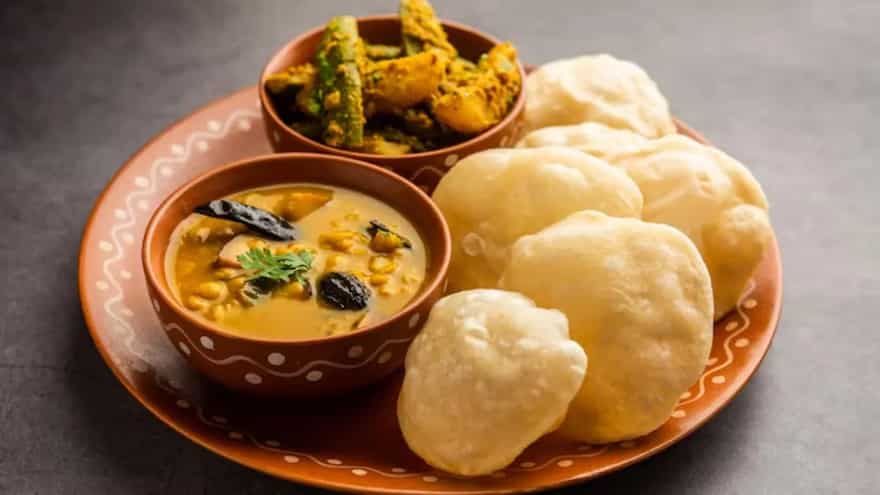
Image Credit: Freepik
"No Poila Boishakh feast felt complete without Mutton Kosha paired with fragrant Basanti Pulao," she says. “My dida used to make Chanar Payesh, aka, soft chhena dumplings simmered in thick, sweetened milk, flavoured with cardamom and saffron. The fragrance of it is something I have never quite found again.” Some of her favourite dishes to celebrate Bengali Nobo borsho include luchi with aloor dom or cholar dal, and daaber jol.
Vishu, Malayalam New Year
Chef Sukesh Krishnan, Executive Chef at Gateway Bekal
Growing up in Kannur, Kerala, Chef Sukesh remembers his mother preparing snacks and pickles in the days leading up to Vishu. “After setting Vishu Kani and offering it to Lord Krishna, we would enjoy small portions of rice and jaggery-based sweets like unniyappam and ada before the main meal was served,” he says. “Since seasonality plays a significant role in Vishu celebrations, ingredients like raw and ripe mangoes and jackfruit make up an integral part of the festive spread.”
Sharing his earliest memories of Vishu, he says, “Kumbalappam is a preparation I deeply miss today. It is a traditional delicacy made by wrapping a mixture of rice, jaggery and ground coconut in jackfruit leaves and steaming it. The flavour imparted by the leaves makes it truly distinctive.”
The Sadya that follows is intentional in every element. Avial, the medley of seasonal vegetables, celebrates abundance. Olan, made with ash gourd and coconut milk, brings a sense of calm. “In Malabar, where I come from, we also have non-vegetarian dishes as a part of the spread like Ayakoora porichatu, rich crispy fried fish and Varutaracha chicken curry,” he sums up.
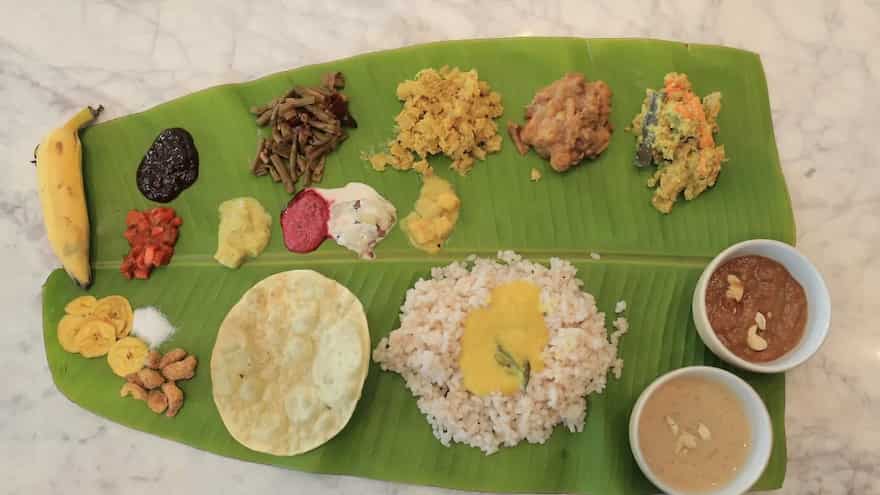
Image Credit: Gateway Bekal
Chef Rohin Thankappan, Executive Sous Chef, The St Regis Mumbai
Rohin Thankappan describes himself as a "Mumbaikar by birth, a Keralite at heart." And Vishu is precisely where those two identities meet. His earliest memory of the festival is being carried, half-asleep, by his father toward the Vishukkani his mother had arranged the night before, eyes still closed, being guided toward the first auspicious sight. "At that time," he says with the candour of a child's honesty, "the most exciting aspect for me was receiving money as a blessing, the Vishu Kaineettam, when elders give younger family members money as a symbol of good fortune.”
Including fresh produce of the season, including unhulled rice grains, jackfruit, pineapple, raw mango, and jaggery, the chef’s Vishu Sadya has been a traditional one. “Non-vegetarian was a total no in our house,” he says. “Some of our staples include Theraliyappam, jackfruit and jaggery steamed cake wrapped in bay leaf, and Ela Ada, rice and coconut pancake served on a banana leaf.
Baisakhi, Punjabi New Year
Chef Sombir Chaudary, Kalpaney
Chef Sombir Chaudary is perhaps the most interesting figure in this story: a Haryanvi who grew up in Bengaluru, celebrating both Baisakhi and Ugadi. "My roots are from the North," he says, "but a big part of who I am today has been shaped by Karnataka, its culture, and its food."
He remembers waking up to the Ugadi tradition of having neem and jaggery to celebrate the beginning of the year. “Be it the wheat harvest for Baisakhi or raw mangoes or neem for Ugadi, my connection with grains to celebrate the festival is deep in my roots,” he explains. “Rotis topped with white butter and slow-cooked Punjabi dishes were what our family used to have, keeping the festive meal simple yet indulgent. And the one non-negotiable that feels really special is Kada Prasad from the Gurudwara on Baisakhi.”




