


 Share
Share

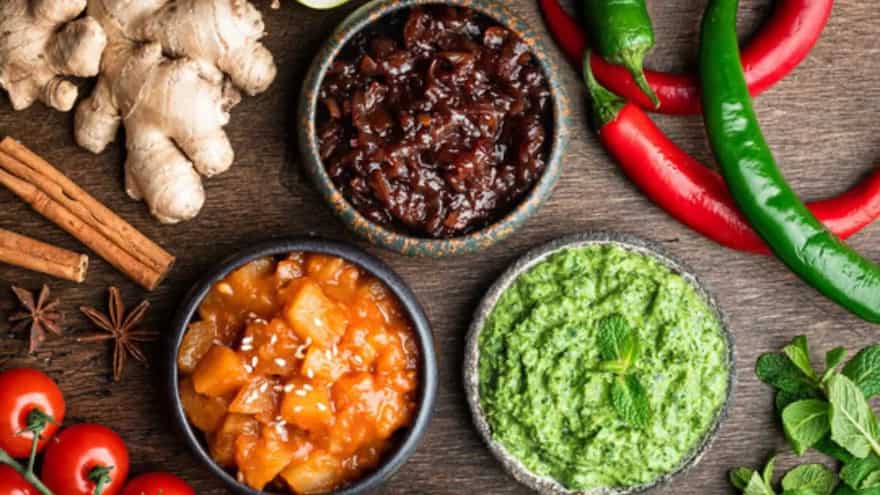
Image credit: Adobe Stock
1. Fibrous Coriander And Mint Stem Thogayal
Herb stems are packed with more essential oils and aromatic compounds than the leaves themselves, yet they are frequently tossed away because people assume they are too woody. Gathering leftover coriander and mint stems, discarding only the very dry ends, creates an intensely herbaceous base for a fiery green thogayal. Dry-roast a spoonful of urad dal, dry red chillies, and black peppercorns in a pan until fragrant, then transfer them to your grinding jar along with the washed herb stems, tamarind pulp, and grated coconut. Pulsing the ingredients gently gives you a thick, textured paste where the bright herbal notes shine through, making it an incredible accompaniment for morning dosas.
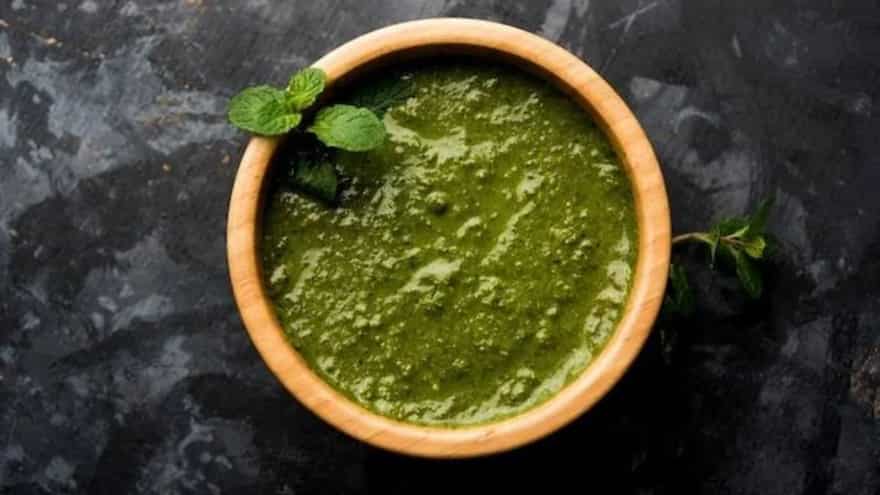
Image credit: Magnific
Your Kitchen Needs Usha's Mixer Grinder, 
2. Nutrient-Rich Beetroot Peel And Roasted Chana Thogayal
Beetroot skins carry an earthy depth and a brilliant magenta hue that can easily be coaxed into a stunning, vibrant condiment. Instead of peeling your beets into the trash, wash the outer skins thoroughly, chop them into manageable pieces, and sauté them in a drop of sesame oil until tender. Combine the cooked peels with roasted chana dal (dalia), dried red chillies, garlic cloves, and a small piece of jaggery to balance the earthy sweetness. Running this mixture through your grinder transforms tough, discarded skins into a glossy, thick thogayal that tastes incredible when mixed into piping-hot steamed rice with a drizzle of unrefined sesame oil.
Image credit: Adobe Stock
3. Fast-Softening Ridge Gourd Peel With Boiling Water
Ridge gourd (turai) skin has a wonderful texture and a mild, vegetal sweetness, but it can sometimes feel a bit tough if not handled correctly. A great kitchen shortcut involves pouring boiling water straight from an Usha electric kettle over your freshly collected vegetable peels in a bowl, letting them sit for five minutes to soften their cellular structure without losing their nutrients. Once drained, sauté the softened peels with shallots, tamarind, and dried red chillies before tossing them into your grinding jar. This simple hot-water pre-soaking step ensures your thogayal turns out smooth yet satisfyingly textured, without any fibrous strings ruining the mouthfeel.
 Image credit: Adobe Stock
Your Kitchen Needs Usha's Electric Kettle,
4. Peppery Knol Khol And Radish Greens Thogayal
Root vegetable greens and brassica stems like knol khol, radishes, and turnips are absolute powerhouses of iron and vitamin C, yet they are almost always separated and thrown away. Saving these tender outer greens and stems gives you the foundation for a deeply pungent, peppery thogayal that clears the sinuses. Sauté the chopped greens and trimmed stems with crushed garlic and cumin seeds until they shrink down and caramelise slightly. Grind the sautéed greens with grated coconut, tamarind, and salt into a coarse paste, creating a robust, rustic side dish that pairs wonderfully with curd rice.
5. Zesty Lemon Peel And Curry Leaf Thogayal
After squeezing fresh lemons for your dal or summer drinks, the leftover yellow peels are usually discarded because they taste bitter on their own. However, when paired with aromatic curry leaves and roasted spices, lemon peels yield an intensely citrusy, refreshing thogayal that acts as a powerful palate cleanser. Dice the cleaned lemon peels, removing any bitter white pith where possible, and sauté them alongside fresh curry leaves, urad dal, asafoetida, and dry red chillies. Blending these ingredients into a thick, coarse paste locks in the zesty citrus oils, giving you a punchy condiment that stays fresh in the fridge for days and elevates any simple weekday meal.




