


 Share
Share

Christmas has diverse tastes in every corner of the world, yet the sentiment behind it feels familiar everywhere. While the fairy lights, carols, and gifts set the mood, it is food that truly connects the celebration. These dishes are not just about the festive recipes, but they are palatable traditions that are shaped by environment, history, and belief. A slow-roasted turkey connects families, panettone speaks of patience and shared pieces, tamales hold the warmth of communal cooking, and puddings or logs reveal stories older than the festivals themselves.
What makes these Christmas treats unique is not the indulgence but the meaning they hold in every bite. They represent togetherness, fondness, and time that is taken out to prepare these Christmas delicacies amid the hustle of everyday life. Trying these Christmas dishes from around the world at least once is like voyaging to these places just by sitting at your dining table. You will know how different cultures celebrate the festival through food.
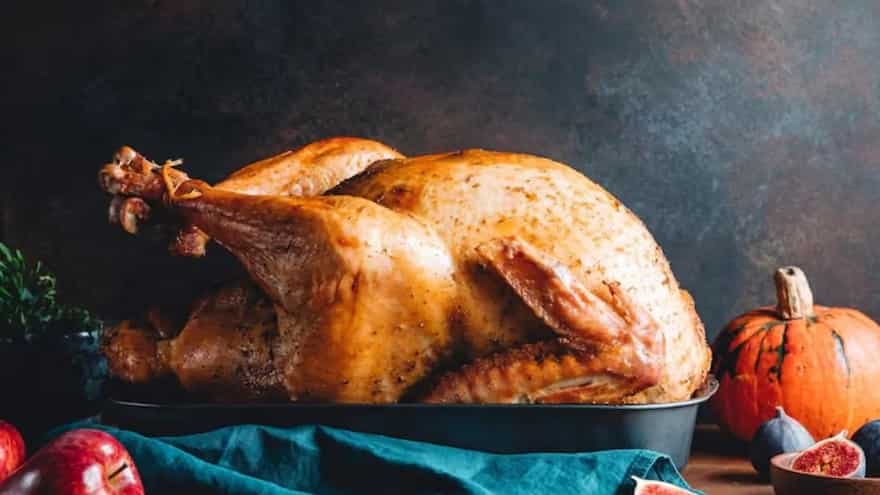
Roast Turkey, United States & United Kingdom
Roast turkey is the centre of attraction on Christmas tables all across the US and UK. Turkey is slow-roasted until the skin turns light and crispy, whereas the meat stays juicy and tender. Filled with herbs, bread, or chestnut filling and served with gravy, cranberry sauce, and roast vegetables, it is believed that roasted turkey symbolises abundance as well as connects families. Traditionally dedicated to big celebrations due to its size, turkey evolved as a popular delicacy during Christmas as it could feed large groups and families. The aroma of roasted turkey filling the house is usually what officially signals that Christmas has arrived.
(Image credit: Freepik)
Panettone, Italy
Panettone is a tall, dome-shaped sweet bread that can be seen in Italian homes during Christmas, making the festival extra special. Soft, airy, and lightly sweet, it is decorated with candied orange peel, citron, and raisins. Panettone is not only a dessert, but it is also shared during long conversations and often paired with coffee or dessert wine. Throughout Italy, people give panettone to each other as a Christmas tradition. Its soft consistency and citrusy fragrance represent celebration and the joy of slow, festive cooking.
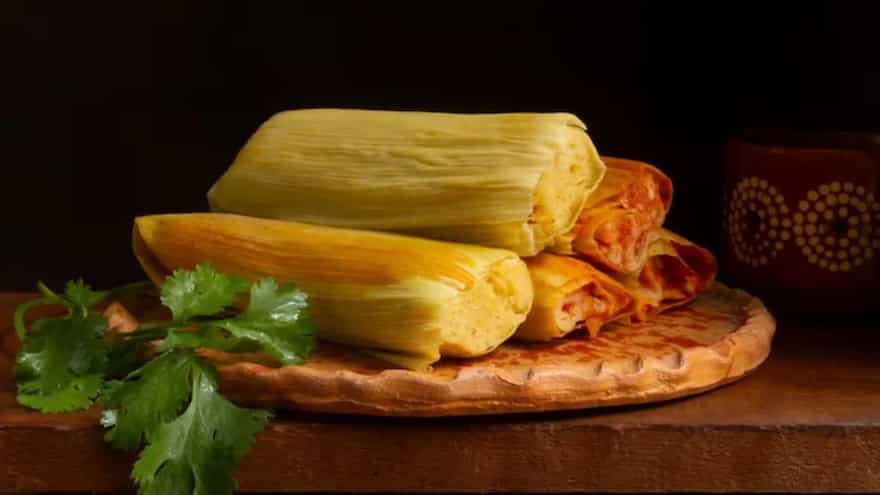
Tamales, Mexico
Christmas in Mexico can not be completed without tamales, a dish that is deeply embedded in tradition and community cooking. It is prepared from corn dough filled with meats, chillies, or sweet fillings and covered in corn husks and boiled. What makes tamales impressive is the cooking process, as families come together to make this unique treat. Tamales are delightful, warm, and enjoyable, perfect for winter nights and midnight feasting after the Christmas prayers. It represents togetherness, ancestry, and the joy of sharing food, which is prepared with collective effort.
(Image credit: Freepik)
Christmas Pudding, England
Christmas pudding is a creamy dessert that is soaked in ritual. Prepared weeks in advance of the actual celebration, it is filled with dried fruits, spices, suet, and sometimes soaked in alcohol. On the day of Christmas, it is reheated and soaked in brandy before serving. Every ingredient in the dish represents good luck, and families make wishes while stirring the batter. Dense, warming, and intensely spiced, this pudding is less about the sweetness and more about the tradition, patience, and nostalgia passed down through generations.
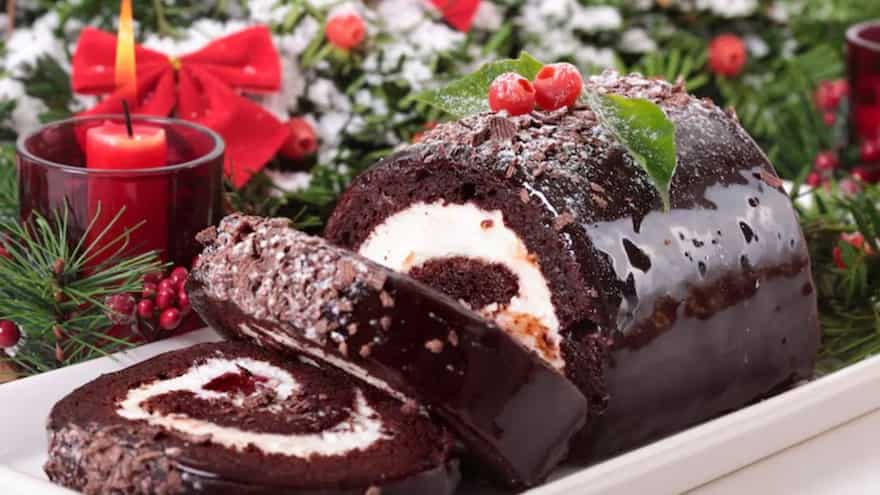
Bûche de Noël, France
The Bûche de Noël, or Yule Log cake, is a visual and cultural symbol of Christmas throughout France. Created to resemble a wooden log, it is prepared from soft sponge cake rolled with chocolate or coffee cream and then decorated like bark. The dessert traces back to the age-old tradition of burning a Yule log for good fortune during winter. Today, it symbolises warmth, celebration, and craftsmanship. Bûche de Noël is served at the end of Christmas dinner, as it blends elegance with nostalgia, making it both festive and extremely symbolic.
(Image credit: Freepik)




