


 Share
Share

Not all seed oils act the same way once they enter your kitchen. While they are all derived from oil-rich seeds, their flavour, fragrance, texture and tolerance to the flame can be totally different. A strongly flavoured sesame oil can become part of a dish's identity, whereas a light flaxseed oil is better added after cooking is done. Pumpkin seed and walnut oils can work nearly like finishing ingredients, adding a nutty note to the salads, grains or cooked vegetables.
Smoke point is another key factor to consider: it is the temperature at which an oil begins to show visible smoke, though the exact point can vary with the oil and its processing. In terms of cooking, there can be no single best seed oil to pick. The more reasonable approach is to pick one depending on what you are cooking, how much heat it requires and what flavour you want your meals to have.
Sesame Oil: Brings A Nutty, Toasted Character
Sesame oil can noticeably alter the taste of a dish as it has a distinct nutty fragrance. It works naturally in South Indian cooking, especially in podi, chutneys, tamarind rice, vegetable stir-fries and pickles. Sesame oil can also be used for tempering mustard seeds, curry leaves and dried chillies when you want the oil to have those flavours.
Toasted sesame oil is more intensely fragrant and is better used in smaller amounts, just as a finishing drizzle. Rather than using it in every dish, choose sesame oil when you desire a warm, roasted note to come through, along with the spices.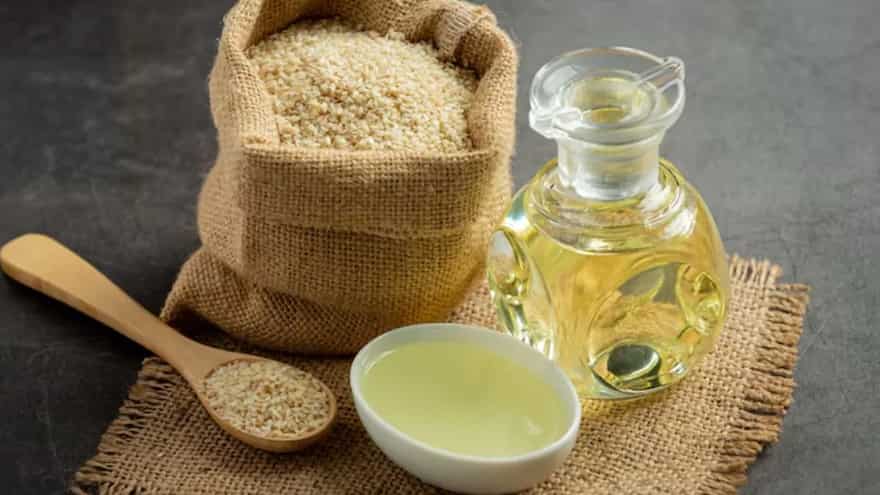
(Credits: Freepik)
Flaxseed Oil: Adds A Delicate Nutty Note Without Heat
Flaxseed oil acts very differently from oils planned for high-heat cooking. It has a light, nutty, a bit grassy taste and is better suited to cold preparations or just for finishing purposes. Flaxseed oil is generally drizzled over salad, cooked vegetables, grains or sometimes dal after it has cooled a bit. You can also whisk it with lemon juice, black pepper and herbs to make a simple dressing.
Avoid using it for deep-frying or for a hot tadka, as prolonged high heat is not appropriate for this light oil. Its main culinary role is just to add flavour at the end when the meal has been prepared, rather than to make the cooking base.
Pumpkin Seed Oil: Makes Earthy Foods More Pronounced
Pumpkin seed oil has a rich, earthy and nutty taste that can make even simple foods taste more layered. It works especially well with roasted pumpkin, soups, salads, cooked millets, potatoes and even in khichdi. Instead of heating it in a pan, drizzle a little over the completed dish. Its flavour is strong enough that you do not need to use it in much to notice it.
The oil is particularly useful when you want to finish a fairly mild dish with something more noticeable. Start with a small amount, taste and add more only if needed, so that it does not overpower the taste of other ingredients.
Walnut Oil: Gives Salads And Grains A Softer Nutty Flavour
Walnut oil has a lighter nutty character and works best when the oil itself is allowed to remain noticeable. It can be used to make salad dressings, grain bowls, drizzled roasted vegetables and cold vegetable preparations. A simple dressing made of walnut oil, lemon juice, black pepper and herbs pairs perfectly with cucumber, beetroot or leafy greens.
It can also be drizzled over cooked vegetables just before serving. Strong masalas can easily hide their flavour, so simpler preparations work pleasingly with walnut oil. It should not be heated for a very long time, as it is used mainly as a finishing oil or as a dressing oil.

(Credits: Freepik)
Hemp Seed Oil: Adds A Fresh, Grassy Note
Hemp seed oil has a distinctive, grassy, earthy flavour, so it can give familiar ingredients a totally different character. It is better suited to cold preparations and finishing than high-heat cooking. Try using it in a kachumber-style salad with cucumber, tomato, onion and coriander, or whisk it with lemon juice and black pepper to make a dressing.
A small drizzle over cooked grains or vegetables can also work nicely. Since its flavour is more evident, add it only towards the end. It is best used when you want the oil to add a noticeable flavour rather than just provide cooking fat.
How To Choose A Seed Oil For Indian Cooking
- Match it to the heat: Use oils suitable for the cooking temperature; light oils are better for finishing.
- Think about flavour: Sesame is deeply nutty, whereas flaxseed, walnut and hemp have lighter notes.
- Use the oil as an ingredient: If its flavour is evident, pick a dish where that flavour complements the spices.
- For tadka: Pick an oil that performs with ingredients such as cumin, mustard seeds, curry leaves and dried chillies.
- For frying: Pick an oil that suits the required heat rather than a light finishing oil.
- For salads and finishing: Cold or low-heat uses let the oil's fragrance and flavour remain evident.
- Check processing: Cold-pressed and refined oils can have various cooking characteristics. So before buying one, look at the processing details if available.




