Share
Share

The City of Joy is echoing the vibes of ‘Ganapati Bappa Morya’! It’s now almost a decade since Ganesh Chaturthi became a mainstream festival in the City of Joy. Once, it was a Maharashtrian identity that has blossomed into a way of celebration that Kolkata has made its own. This year, on August 27, 2025, Ganesh Chaturthi will again transform the city into a riot of colours, lights, and devotion. From Salt Lake to Bhowanipore, and from Baguiati to Lansdowne Market, hundreds of pandals will spring up across the metropolis, showcasing both traditional and experimental artistry. Bighnavinashak Ganehsa is worshipped among Bengalis during the Bengali New Year and Akshaya Tritiya and before every auspicious event.
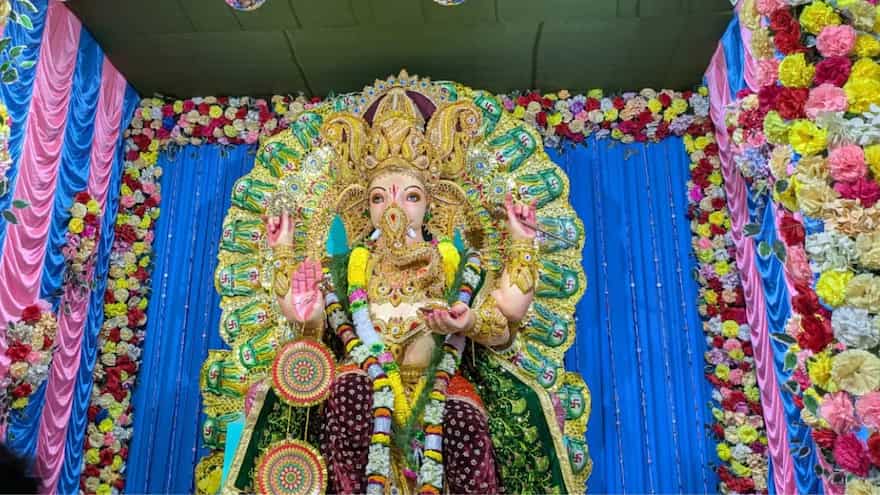
While Durga Puja remains the soul of Kolkata, Ganesh Chaturthi is carving out its own sacred space—welcomed not as an outsider but as a friend. Bappa has become the cutest deity here; he is a symbol of joy, prosperity, and unity. Kolkata now waits eagerly for him, even as the countdown to Maa Durga’s arrival begins.
Although Durga Puja remains Kolkata’s biggest celebration, Ganesh Chaturthi has rapidly grown in stature here. With over 500 Ganesh Puja celebrations across the city in 2025, the festival is gaining new admirers.
Why Is Ganesh Chaturthi Getting Popular In Kolkata
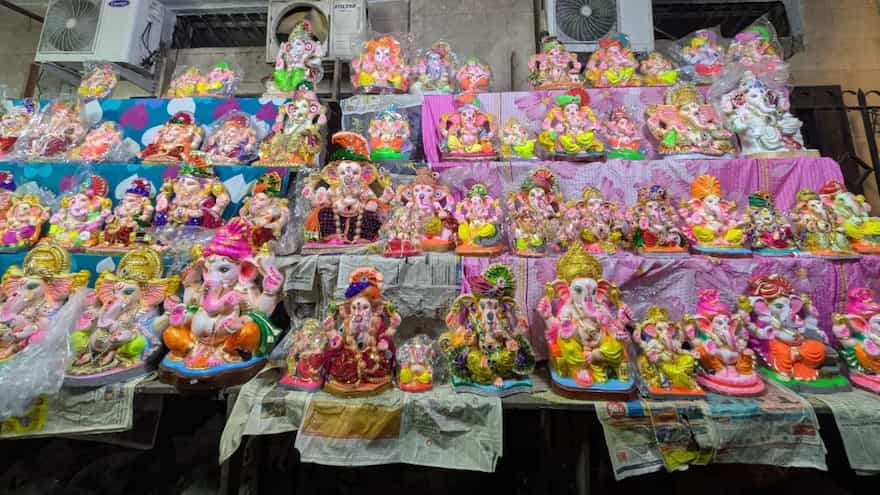
Ganesh Chaturthi has blossomed in Kolkata because the city thrives on art, inclusivity, and festive grandeur. The festival offers livelihood to artisans, decorators, and vendors, while giving residents a chance to experience a cultural blend before Durga Puja. With innovative themes, community bonding, and the joy of bhog, Ganesh Chaturthi has found a permanent place in Kolkata’s festive calendar, giving way to prosperity, creativity, and togetherness.
The city has changed the festival by integrating Bengali art with rituals from Maharashtra. Ganesh idols made here aren't always pot-bellied ones. Some are made in the soft clay modelling style of Kumartuli. Themes range from patriotism, as seen in Baguiati's Veer Ganesha, to pride in one's own culture, seen in Salt Lake's pandal with Santhali influences. These pujas become lively places for meeting new people thanks to dance, music, cultural shows, and even food stands on the street.
Focusing on the festival’s growing popularity, the Belgharia 17 Pally Committee stated,
“We started small, but the enthusiasm has surprised us. People here love Ganpati just as much as Maa Durga. For many artisans, this has doubled their work season.”
Milan Sangha Club in Ashokgarh stated that Ganesh Chaturthi Utsav has its positive impact on youth employment and inclusivity.
“Kolkata always finds joy in adopting new traditions. Ganesh Chaturthi is a way to celebrate unity, and it creates hundreds of temporary jobs for local youth.”
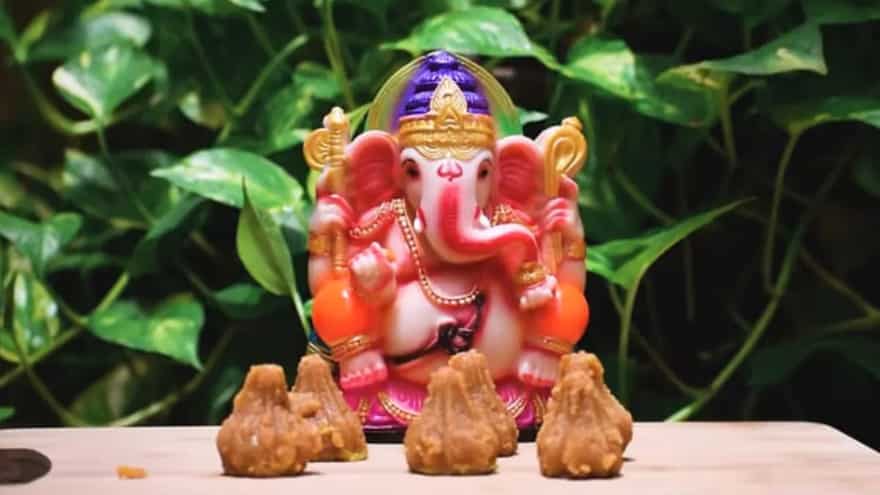
Ankit Mukherjee, another pandal near Rathtala, Kamarhati, mentioned,
“We have been worshipping Bappa with grandeur for the last 15 years now. From Wednesday to Sunday, every day we will distribute prasad among the devotees. You see, this entire arrangement gives way to merriment; several vendors are here to find their livelihood, and this is how it helps many.”
Bhog for Ganesh Chaturthi in Kolkata
Kolkata has always had a love for festivals, and when Ganesh Chaturthi arrived in the city, it wasn’t long before food became the soul of the celebration. While Mumbai may be known for its laddus and modaks, the City of Joy welcomed Bappa with its own signature flavours, blending Maharashtrian tradition with Bengali imagination.
In the City of Joy, the bhog is not just an offering—it’s a story told through sweets, rice dishes, and savoury delights. Modaks are reinvented with nolen gur, laddus take the form of rosogollas, and the quintessential Bengali payesh finds its way onto Ganpati’s thali. Alongside, mishti pulao and aloor dom add warmth and comfort, making the bhog a balanced spread of sweetness and spice. In Kolkata, offering food to Ganpati is hospitality, where Bappa is treated as an honoured guest welcomed with love, creativity, and a generous touch of Bengal.
Modak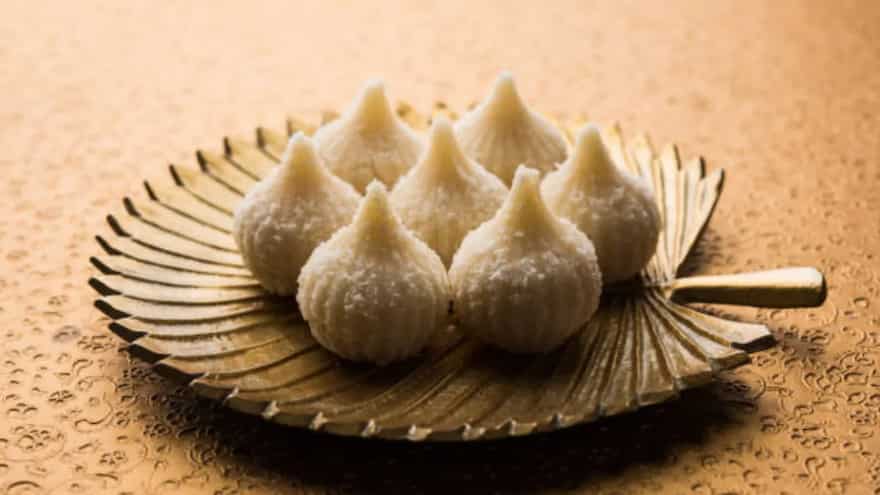
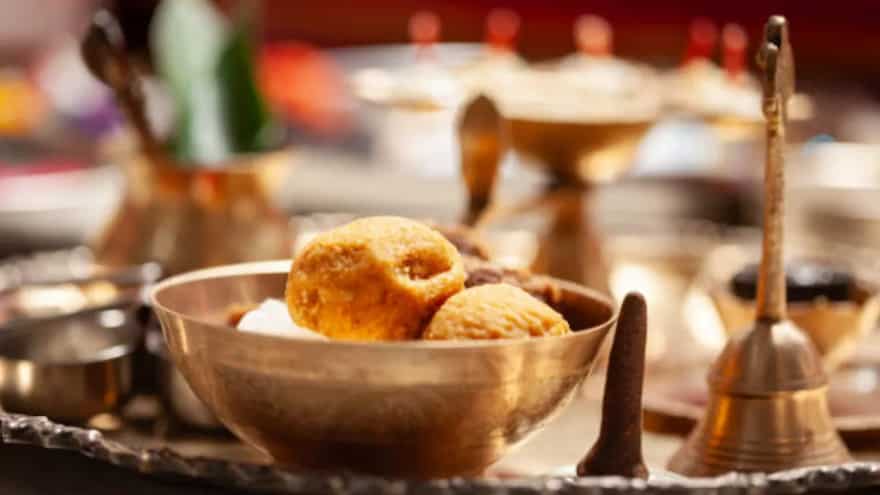
No Ganesh Chaturthi bhog is complete without modak, which is considered Lord Ganesha’s favourite. Traditionally, modaks are steamed dumplings made with rice flour and filled with jaggery and grated coconut. In Kolkata, however, there are creative twists: nolen gur modak made with fragrant date palm jaggery in winter, or even sandesh modak shaped from Bengal’s famous chenna sweets. These variations combine Maharashtrian devotion with the Bengali love for innovation in sweets.
Laddu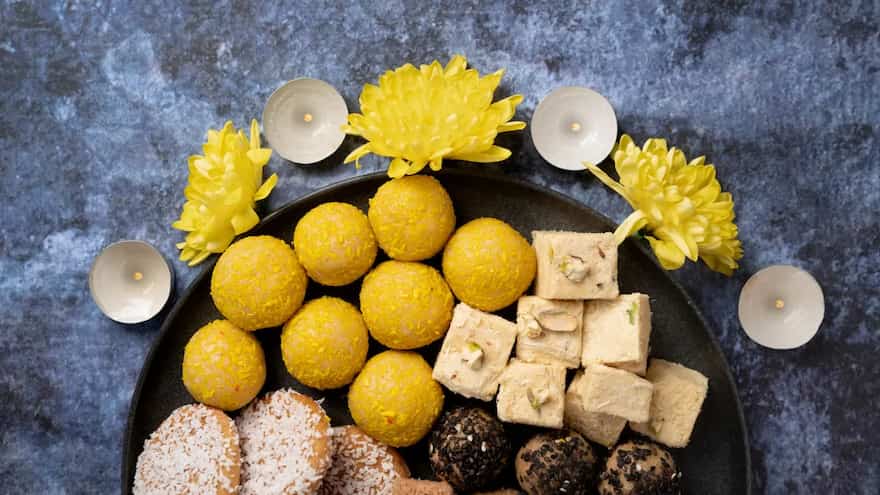
Laddus are another must-have for Ganesh Puja. In many pandals, you will find golden besan laddus, soft and aromatic with cardamom. But Kolkata adds its own style by preparing rosogolla laddus—small spongy rosogollas coated with khoya or dry fruits, presented as laddus to Bappa. These laddus symbolise abundance and the sweet rewards of faith.
Payesh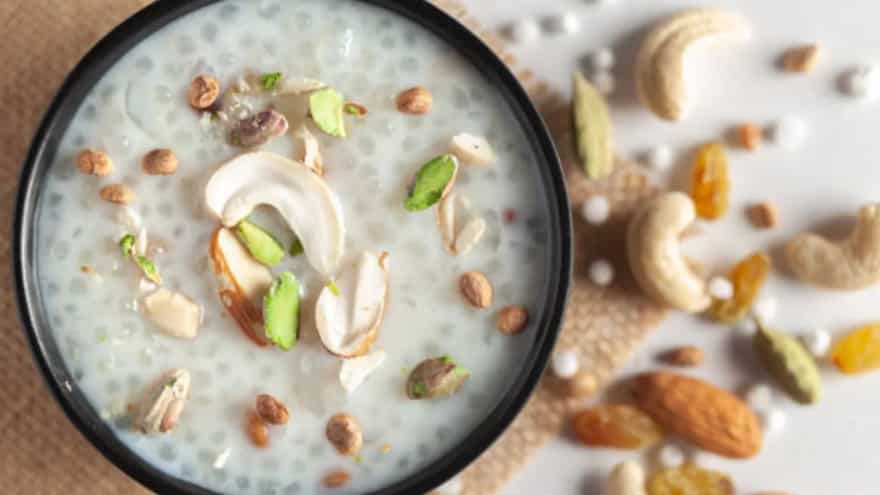
Payesh, or rice kheer, is one of Bengal’s most traditional offerings to the gods, and Ganpati receives it with equal love. Prepared with Gobindobhog rice, simmered slowly in thick milk and sweetened with sugar, this dish is flavoured with cardamom and topped with raisins, almonds, and cashews. It represents purity, sweetness, and blessings for prosperity in the household.
Mishti Pulao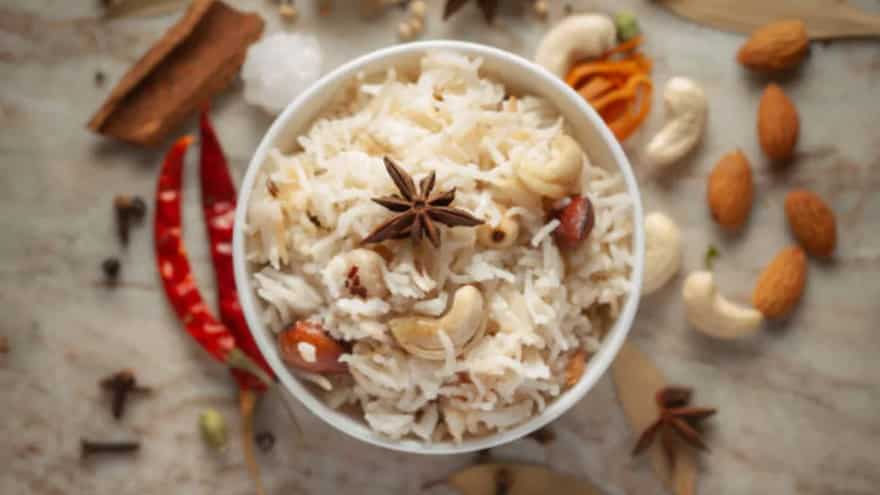
Kolkata introduces its festive rice dish, mishti pulao, into the bhog platter for Ganesh Chaturthi. Made with short-grain Gobindobhog rice, ghee, cashews, raisins, and a pinch of sugar, the pulao is slightly sweet yet aromatic with bay leaves and cloves. Paired with a curry, this dish adds a savoury-sweet balance to the bhog, showing the Bengali flair for festive meals.
Aloor Dom
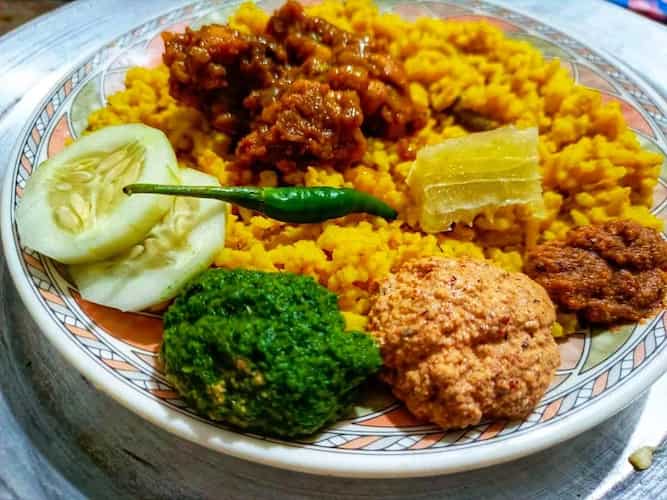
Aloor dom, a spiced potato curry, often accompanies mishti pulao during bhog offerings. Small potatoes are simmered in a rich gravy of tomatoes, ginger, and traditional Bengali spices, giving the bhog a hearty and wholesome touch. By offering aloor dom along with sweets, devotees symbolise the balance of life’s flavours—sweetness and spice.
Coconut Barfi

Coconut barfi is a classic sweet prepared for Ganesh Chaturthi bhog. Made with freshly grated coconut, condensed milk, and a hint of cardamom, the barfi melts in the mouth. The white colour of the sweet represents purity and devotion, making it a fitting offering to Lord Ganesha. In Kolkata, coconut barfi often comes garnished with pista or saffron strands for extra richness.
Sooji Halwa
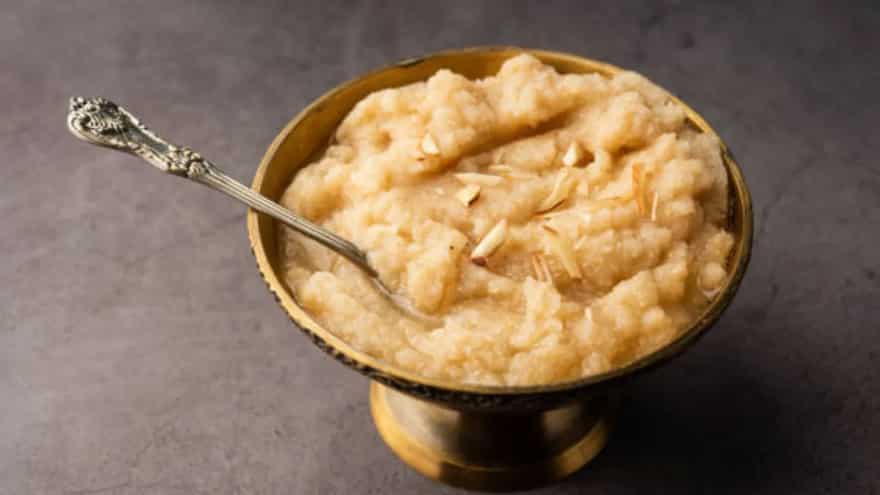
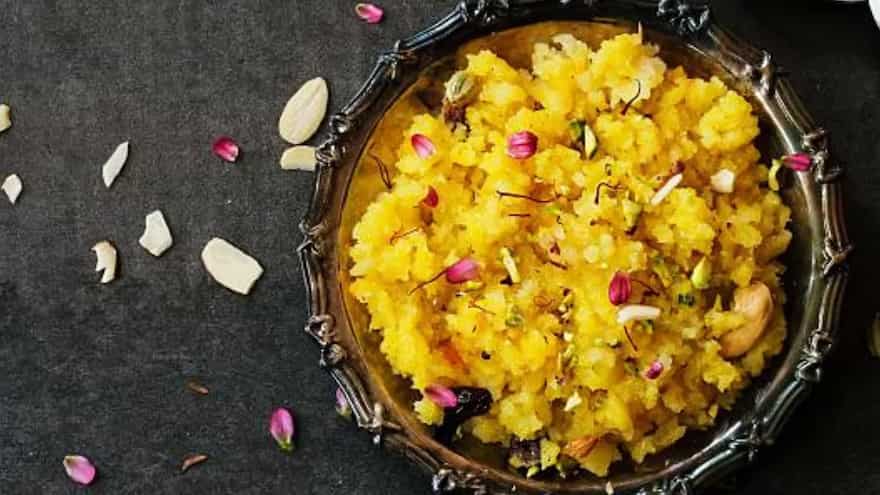
Sooji halwa, made from semolina, ghee, sugar, and dry fruits, is a humble yet deeply sacred part of the bhog. This dish is easy to prepare and is offered daily during the festival in many pandals. Its warm, comforting taste signifies simplicity and devotion, depicts unconditional love and sincerity that matter most in an offering.
Fruits, Dry Fruits, and Panchamrit
Alongside sweets and savoury dishes, fruits like bananas, apples, and guavas are offered to the deity. Dry fruits such as cashews, almonds, and raisins add richness to the bhog. Many pandals also prepare panchamrit—a sacred mix of milk, curd, honey, ghee, and sugar—believed to purify the mind and soul.
Which Pandals To Visit In Kolkata This Ganesh Chaturthi?
Ganesh Chaturthi in Kolkata has grown into a city-wide celebration, blending Maharashtrian traditions with Bengal’s own artistic flair. Every year, more than 500 pandals light up the city, but some stand out for their grandeur, creativity, and spiritual appeal. Here are the Top 6 Ganesh Pandals you simply cannot miss this year.
Lake Kalibari Ganesh Puja (South Kolkata)
Held at Sree Sree 108 Karunamoyee Kalimata Mandir, this pandal is known for its large crowds, beautiful idol, and rich devotional atmosphere.
Baguiati Executive Palace Complex
This year’s theme, “Veer Ganesha – Raksha ke Devta” pays tribute to India’s armed forces with a fighter jet model and patriotic décor.
Salt Lake Yuvak Sangha (PNB Crossing)
Focusing on Santhali culture, this pandal features traditional songs, dances, and red-earth decorations, celebrating Bengal’s indigenous heritage.
Bhowanipore Ganesh Puja
Started by Mumbai expatriates, this pandal retains a strong Maharashtrian influence, with towering idols and authentic Ganpati rituals.
Lansdowne Market Ganesh Puja
A vibrant community puja, often featuring replicas of iconic temples or landmarks, draws families and youngsters.
Ganesh Chaturthi in Kolkata comes with another layer of excitement: it signals that just 32 days later, Maa Durga arrives with her family. For Kolkatans, this overlap creates a double celebration. While Ganpati immersions mark the end of August, preparations for Durga Puja are already in full swing—dhak rehearsals, pandal construction, and idol finishing touches.
Thus, Ganesh Chaturthi becomes not just a standalone festival but also a prologue to Durga Puja, warming up the city with festive energy. Bappa arrives as a harbinger of prosperity, while Maa Durga soon follows as the protector and mother. Together, they stitch the fabric of Kolkata’s festival calendar, making late August to October the city’s most magical season.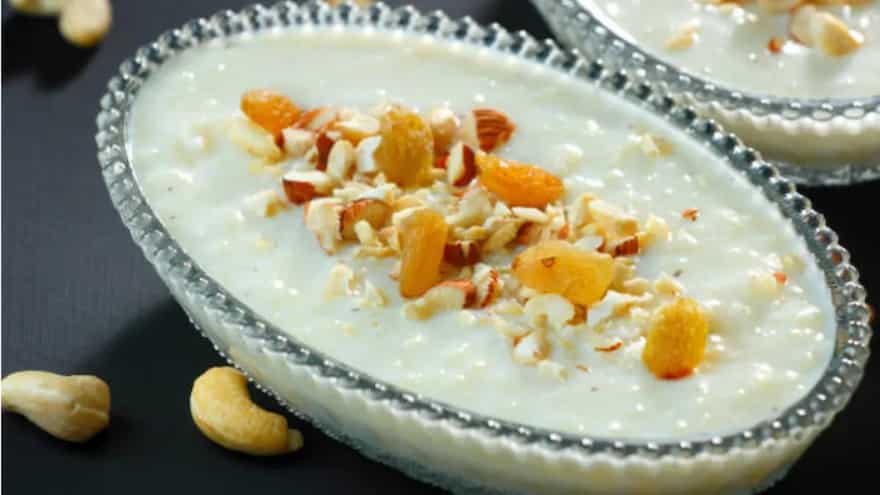
Ganesh Chaturthi has grown beyond being “Mumbai’s festival” to becoming Kolkata’s new festive heartbeat. With grand pandals, innovative themes, employment opportunities, and culinary fusion, the festival has embraced the Bengali spirit while keeping Maharashtrian traditions alive.
As 27th August 2025 approaches, the City of Joy is ready once again to welcome Ganpati Bappa—not as a guest, as a beloved friend who now belongs here, a sweet, cute confidante riding on his Mooshika.