Share
Share

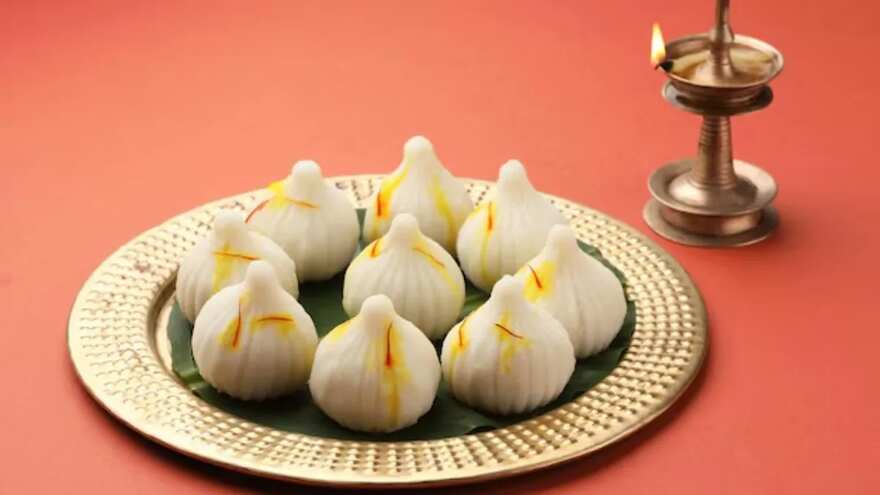
It is that time of the year when devotees are going to bring home Lord Vinayak ahead of his birthday amid chanting of ‘Ganpati Bappa Morya’. With great pomp and show, the celebrations have already begun as Mumbai’s biggest idol of Lalbaugcha Raja (since 1934) has been installed. While the actual commemoration of Ganesh Chaturthi will begin on August 27, 2025, sales of modak and other milk-based delights across Maharashtra and the rest of India are making sweet shop owners run out of their cash registers.
Modaks are believed to be Lord Ganpati’s favourite sweet, which marks the busiest time of the year for sweet shop owners. Gone are the days when a sweet had only one variety; nowadays, businesses are run on a blend of traditions and innovation. Hence, you not only find popular and simpler versions of modak gracing the shelves but also one-of-a-kind fusion variants grabbing eyeballs. To understand the depth of the modak market, Slurrp connected with popular sweet shop owners across Maharashtra.
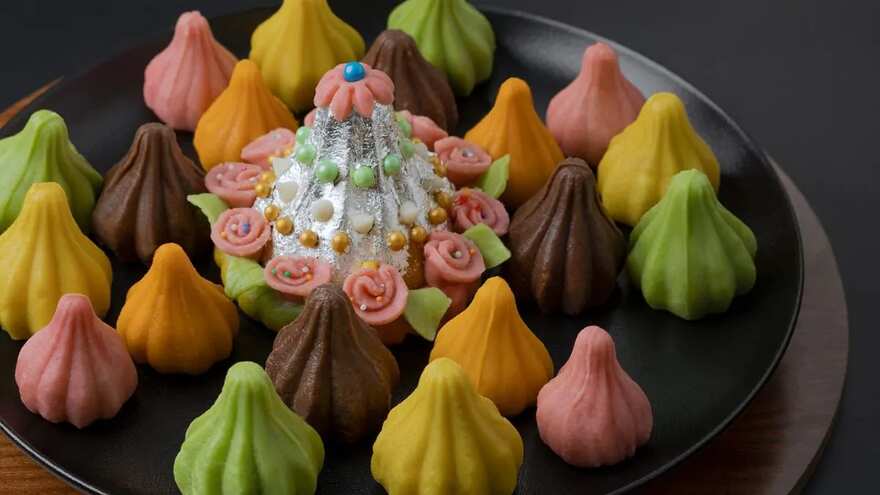
Image Credit: Jhama Sweets & Food
Percentage Of Sales Increment During Ganesh Chaturthi Compared To A Regular Month
Depending on the size, location, and popularity of the shop, business owners witness an increase of 10-80% in sales. Hina Goyal, Owner and Proprietor of Brijwasi Sweets, added, “The festival brings a significant boost in demand, as families and communities stock up on traditional sweets and offerings. This festive period has consistently remained our strongest sales season year after year.”
In 2024, a Confederation of All India Traders (CAIT) report published in Moneycontrol projected the sales of modaks and other sweets to cross the threshold of Rs 2,000 crores. During Ganesh Chaturthi, Maharashtra leads the sales, followed by Karnataka, Andhra Pradesh, Telangana, and Madhya Pradesh. The number might seem huge, but when you consider lakhs of pandals that crop up every year and take decorations, apparel, sales of Lord Vinayak’s idol, tourism, festival-related merchandise, and food stalls into account, the overall boost in the business is over Rs 25,000 crores.
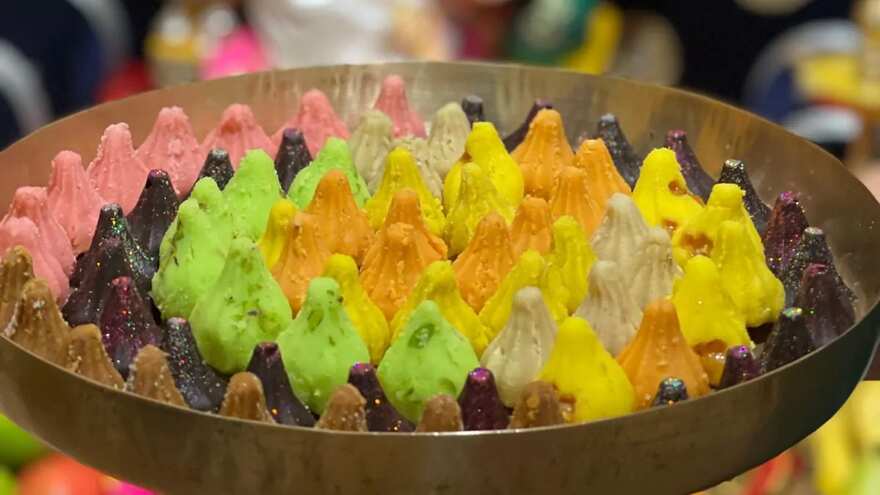
Image Credit: Mathura Dairy
Which Varieties Of Modaks And Sweets See The Highest Demand During Ganesh Chaturthi?
The insights don’t end with just knowing the percentage of boost in business. To understand the economics, one has to analyse data, bifurcate it, and dive deeper to know what is driving the sales. It’s no brainer that modaks are in huge demand around Ganesh Chaturthi, therefore, they lead the graph of sales. Vinod Lulla & Govind Lulla, Directors of Jhama Sweets & Food Pvt Ltd, shared, “Mawa Modak, Motichoor Ladoo, Kaju Modak and chocolate Modak see the highest demand.”
What happens to the innovative ones? Answering your query, Harsh Kedia, Founder, Conscious Mithaiwala, added, “While innovative and fusion ones do tend to get picked up a lot, traditional ones show more impact on the top line. Kaju Kesar, Mawa Modak are outstanding compared to the other modernist ones.”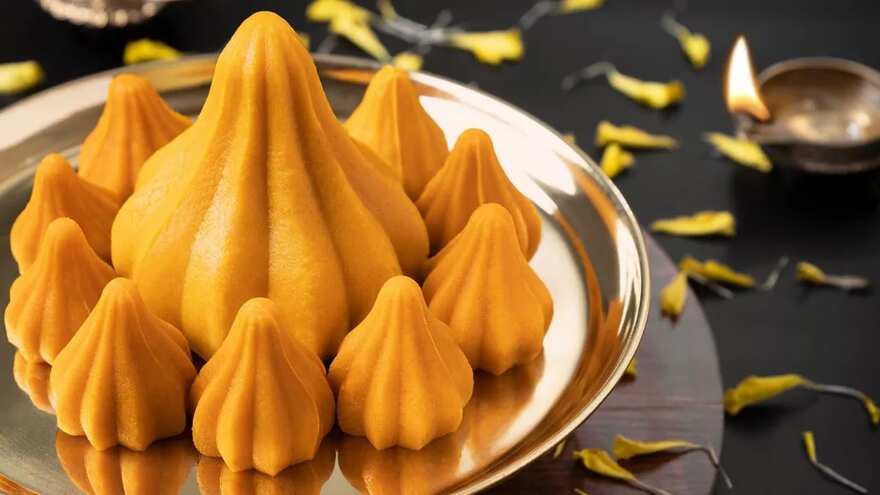 Image Credit: Jhama Sweets & Food
Hina Goyal further shared, “While innovative variants attract curiosity, customers usually return to authentic, time-honoured recipes during this festival, reinforcing the cultural and emotional value attached to these classic sweets.” For Brijwasi Sweets, among all varieties, ukadiche modak and kaju-based modaks witness the highest demand.
The sales record at Chitale Bandhu Mithaiwale is quite similar, with a few variations in the graph. Mr Kedar Chitale, Partner at Chitale Bandhu Mithaiwale, said, “During this period, all variants of modak perform exceptionally well, from our Kaju, Amba, Mawa, and Chocolate Modaks to our signature mithais, which include Keshar, Dharwadi Pedha, and Kandi varieties. Among our other mithais, classics like Plain Kaju Katli, Shahi Motichur Laddu, and Sadha Motichur Laddu are our top sellers.”
However, at Suleman Mithaiwala, Suleman, Owner / Chairman, notices a spike in the sales of peda.
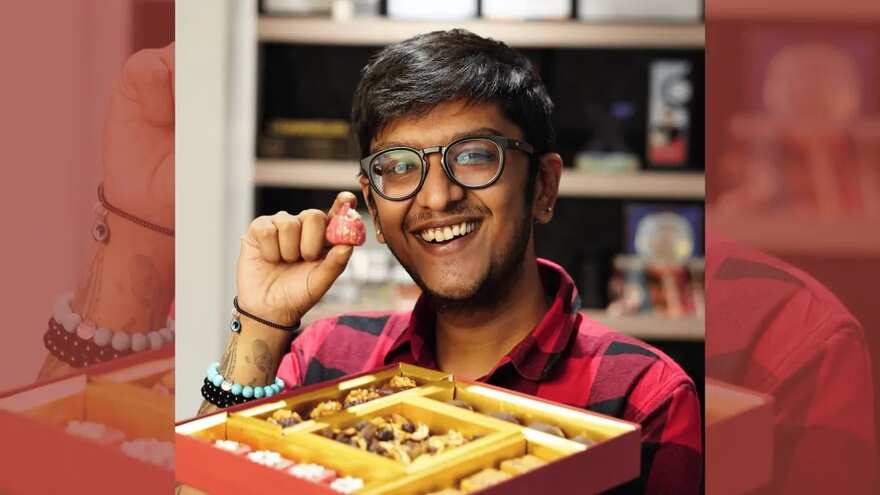
Image Credit: Conscious Mithaiwala
Change In Customer Behaviour Over The Years
While the emotions associated with the festivities remain the same, there is a significant change in the behaviour of customers. If only people want to welcome Bappa on a grand scale, but they are conscious about the sweets they are purchasing, the gifts and their packaging, and the quantity of treats.
Kunal Singh, Owner, Mathura Dairy, said, “It's the game of presentation now. People are spending a lot more on packaging than before.” He and Suleman have also noticed people looking for sugar-free sweets for guilt-free indulgence.
Harsh Kedia explained, “People are buying in 100-200g vs 500g-1kg. They prefer mindful gifting vs giving to show off. A large audience is yet to move to a completely healthier mithai/indulgences preference, while a great number of folks already have, which is why we run - Conscious Mithaiwala.”
Hina Goyal believes that curated gift boxes are becoming more popular for sharing with family, friends, and colleagues, reflecting the growing trend of thoughtful gifting during festive occasions rather than simply buying in bulk. Building on this, Kedar Chitale said that the inclination towards premium mithai collections and festive gift boxes reflects both changing lifestyles and increased purchasing power.
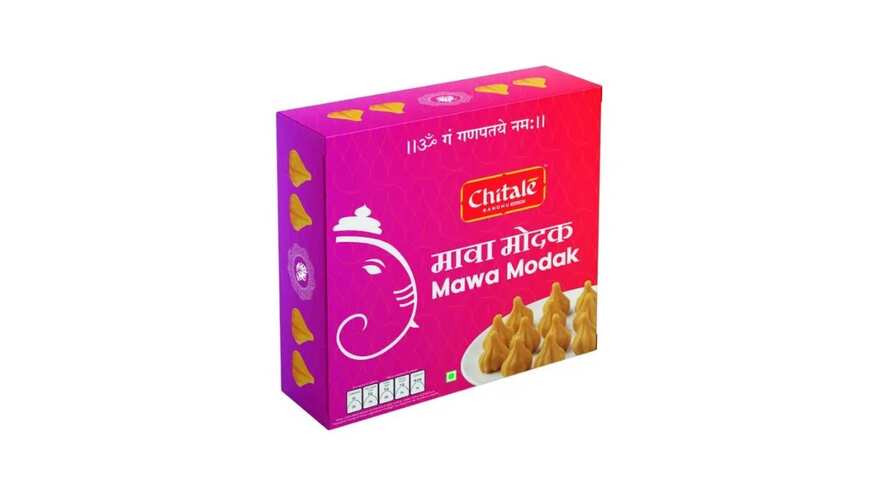
Image Credit: Chitale Bandhu Mithaiwale
How Do Sweet Shops Manage Huge Demands During Festival Season?
Now comes the question of managing the demands. When you witness an increase of more than 30-35% in sales, you have to increase the supply to not only keep the business afloat but also make the best of the festive season. And sweet shop owners know how to handle such an influx of demand and be a part of the Rs 25,000 crore festival business.
Kedar Chitale said, “To cater to the festive rush, we are onboarding additional staff to run extra production shifts. We also actively partner with delivery platforms to ensure a smooth supply of our products throughout the festive season.”
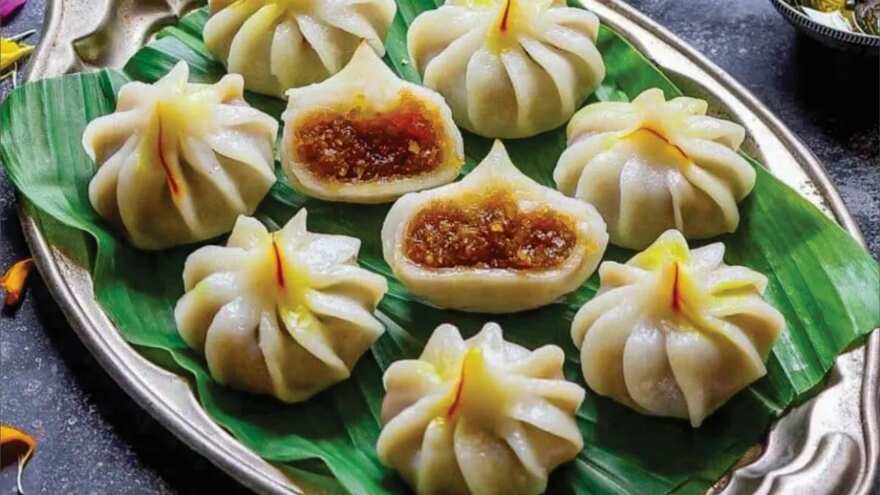 Image Credit: Brijwasi
Hina Goyal and Kunal Singh added that streamlining coordination with delivery partners enables them to cater to the increased demand while maintaining quality and customer satisfaction throughout the celebration.
Harsh Kedia takes this opportunity to hire additional staff up to three weeks in advance (from Ganesh Chaturthi) up until Diwali. This helps him double the production shifts. He also goes for incentive-based tie-ups with delivery platforms to mould the sales surge graph in his favour.
During Ganeshotsav, Vinod Lulla & Govind Lulla meet the high demands for sweets by stopping the production of snacks and namkeen, which frees up their staff to focus on the production of modaks and other sugary treats.