


 Share
Share

When artist Shan Bhatnagar, rooted in Jaipur’s heritage and storytelling, found a life partner in Chef Devyani Bhatnagar, who celebrates India’s diverse regional cuisines, it sparked more than love—it sparked a shared vision. Their worlds of art, devotion, and food merged, leading to creations that honour tradition while offering new experiences. Their joint masterpiece is Laalee, a boutique homestay in Jaipur that reflects both culinary memory and artistic spirit.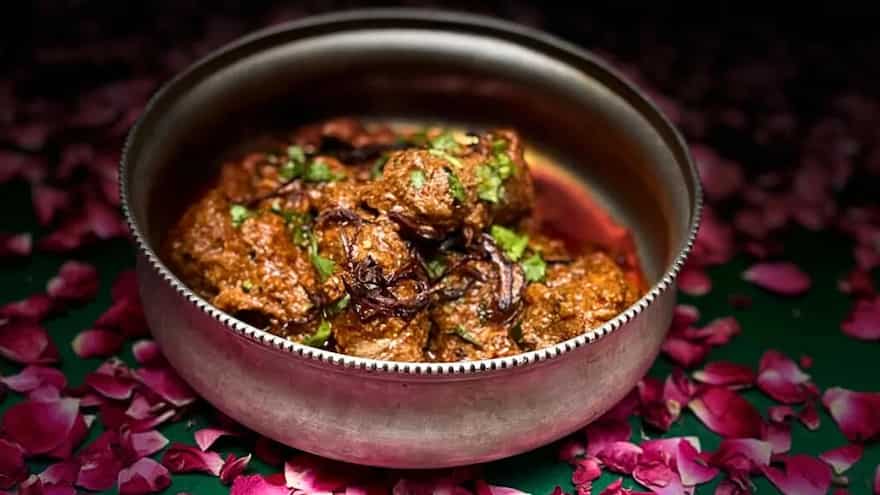
Image Credit: Instagram | gormeihk
Both Shan and Devyani have spent years shaping their respective disciplines. Shan, through his Pichai paintings and heritage walks, interprets Jaipur as a living museum. Devyani, on the other hand, carries forward her Kayastha family’s culinary legacy, balancing Mughal sophistication, colonial touches, and regional flavours into timeless feasts. Together, they embody a creative duo who are as committed to preserving tradition as they are to reimagining it for the modern traveller and diner.
A Celebration Of Kayastha Cuisine In Kolkata
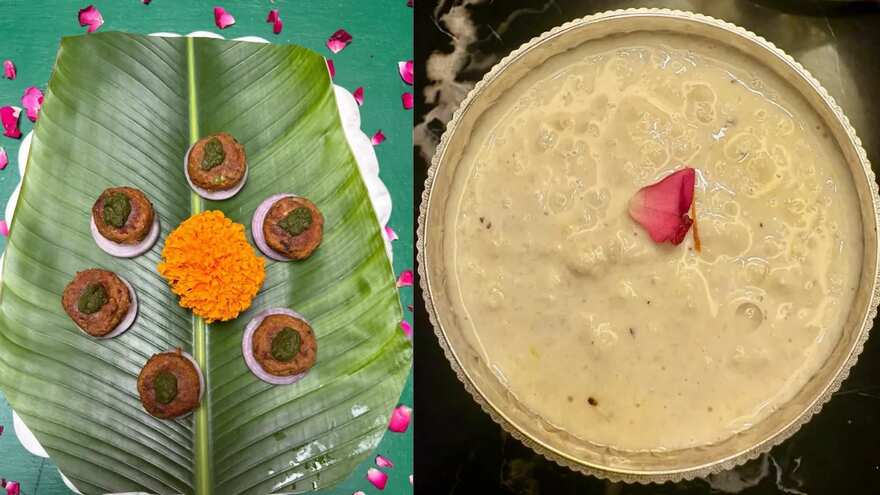 Image Credit: Instagram | gormeihk
On August 22 and 23, 2025, Kolkata’s Glenburn Penthouse, in association with Gormeihk, hosted a rare and delectable tribute to Kayastha cuisine. Guests were taken on a gastronomic journey through the centuries, where Mughal finesse met colonial sensibilities, layered further with flavours from Uttar Pradesh, Delhi, Rajasthan, and Bengal.
Chef Devyani’s menu was a carefully curated tapestry of recipes steeped in memory. The indulgent Mutton Pasanda and Kacche Gosht ki Shammi spoke of elaborate feasts, while comforting dishes like Mangochi ki Sabji, Dahi Pakori, and the unique Sookhi Dal whispered of family kitchens where recipes were passed down like heirlooms. The Besan Samosa, a rustic twist from Uttar Pradesh, and the crunchy Lehsuni Papdi added playful textures to the table. And then there were the house-made aachars and chutneys—fiery, tangy, and deeply nostalgic.
As plates carried memories to each guest, Shan shared captivating stories of Kayastha heritage, weaving anecdotes of history and family tradition with his inimitable storytelling style. It was not just a meal, but an immersive cultural experience—food as history, history as performance, and performance as devotion.
Laalee: A Home That Breathes Art And Food
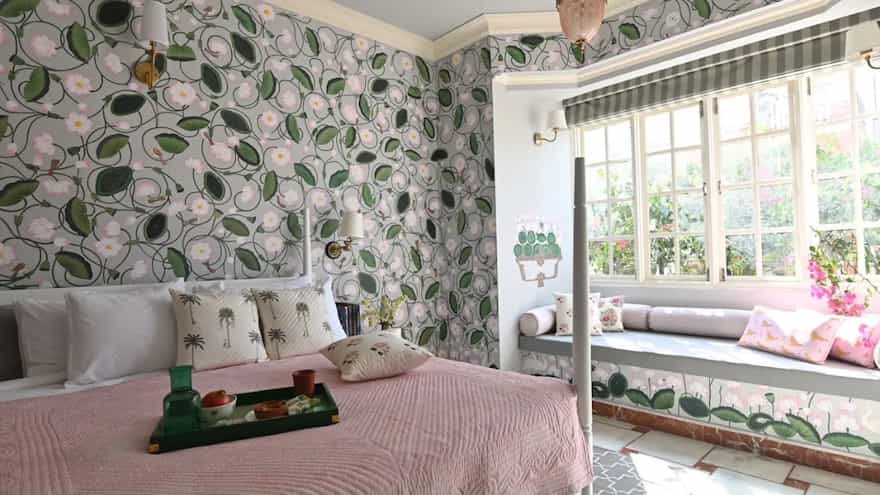
Image Credit: laalee.in
The couple’s creative energy finds a permanent home in Laalee, their boutique homestay in Jaipur, opened to guests in January 2024 with co-creators Dr. Preeti and Ganesh Kohli. Situated in a quiet upscale neighbourhood, Laalee is more than a guesthouse—it is a sanctuary of design, storytelling, and hospitality.
The name itself is steeped in meaning. “Laalee” is how Radha is believed to have addressed Krishna, and it translates to “scarlet”—the colour of love, passion, and celebration. Within its walls, this sentiment takes form in vibrant details, from Shan’s Krishna Rasleela-inspired paintings in the lobby to handcrafted decor that celebrates Jaipur’s traditional crafts. Guests checking in are met with the timeless glances of Radha and Krishna, Yamuna’s tides, and hidden yantras and chakras embedded in art.
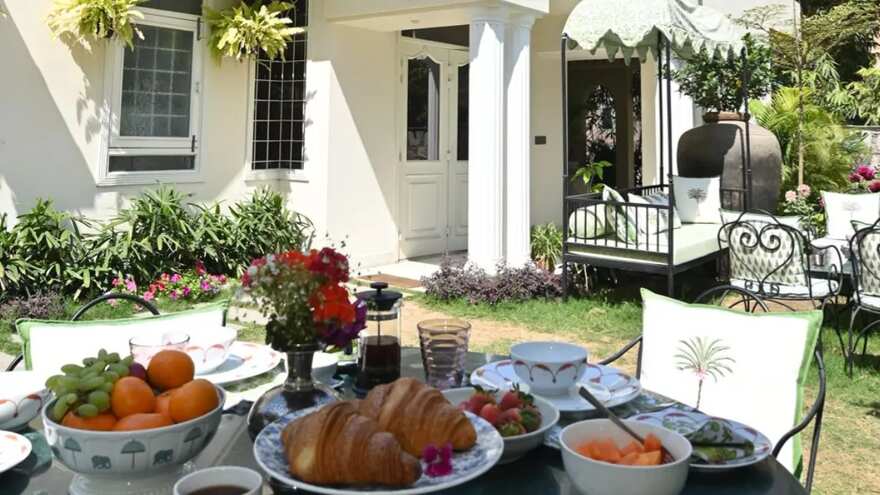
Image Credit: laalee.in
The property houses seven bedrooms and two suites, each unique in design, blending colonial charm with Rajasthani artistry. The Sakrant suite, with its private balcony and reading nook, looks out to a terrace built for mehfils and gatherings—spaces where poetry, music, and conversation flow as freely as the food served at Laalee’s tables.
The homestay isn’t just about aesthetics. It is about experience. The lush gardens, plunge pool, reading corners, and café invite guests into an atmosphere of reflection and joy. Each corner carries both Shan’s artistry and Devyani’s warmth, promising more than a stay—it offers a sense of belonging.
Conversations with Chef Devyani Bhatnagar
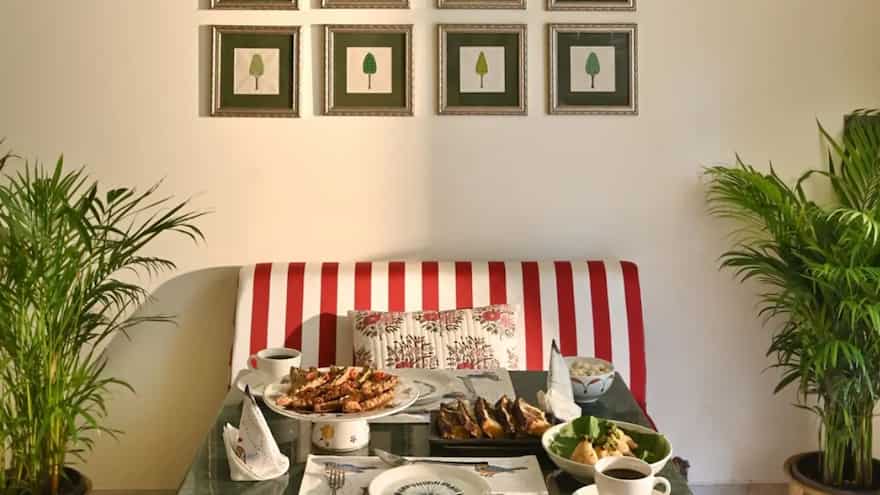
Image Credit: laalee.in
Slurrp: Your culinary journey has been a fascinating one. Can you share what first inspired you to share and explore Kayastha cuisine?
Growing up in a Kayastha household and seeing my mother cook passionately instilled the enthusiasm and passion for cooking very early on. Festivals were celebrated with great devotion, and preparations began several days in advance, most of them surrounding food called pakwan. Every day conversations in our home were around food—from breakfast, we were already planning what to eat for lunch, and at lunch, planning dinner. Some dishes like pasanda and handi mutton bring back fond memories of the entire family gathering in our courtyard, eagerly awaiting the completion of the dish. These experiences have shaped my culinary journey.
Slurrp: You’ve created an amazing blend of Mughlai and Colonial influences with regional flavours. How do you balance these diverse influences when preparing a dish, and what story do each tell?
Food, according to me, has to evolve with time while keeping the regional flavours intact. Each dish is prepared keeping in mind authenticity as well as the balance of flavours. Kayastha cuisine is an amalgamation of many influences. Our ancestors were advisers and administrators to the rulers—Mughal, Rajput, or British—therefore, our food reflects all these influences and more.
Slurrp: You’ve hosted several pop-up events showcasing your culinary expertise. How do these events reflect your personal connection with the dishes?
I am very grateful to my dear friend Argha, the person behind Gormeihk, who encouraged a home chef like myself to present my Kayastha heritage through these pop-ups. At each event, I bring quintessential Kayastha dishes to give people a taste of our culinary heritage. Food is all about storytelling, and when these stories are shared with my guests, it creates beautiful memories and a deeper connection with me.
Slurrp: Your food is not just about flavour but also about preserving family heirloom recipes. Can you share the most significant recipe?
One of the most significant dishes that holds a beautiful memory is Mangochi—a lentil fritter cooked in a thin tomato and curd-based gravy. This dish was taught by my grandmother, a fantastic cook who lived in Lucknow. She taught many of our most integral Kayastha dishes. Her passion for cooking is something I feel I have inherited. If she were alive, she would be very proud that I am carrying our cuisine forward.
Slurrp: Cooking classes are an integral part of your experience. How do you approach teaching, and what do you hope students take away?
I conduct classes at our home, the Artist Mansion in Jaipur, filled with art and antiques. In that setting, teaching my favourite dishes becomes an experience in itself. Students have included owners of restaurants like Dishoom and Kricket in London, and even Michelin-star chefs. I hope they carry not just recipes, but also the stories and philosophy behind them.
Slurrp: With your cloud kitchen’s success, do you plan to expand or start new projects?
I plan to do pop-ups in other cities and countries, sharing our heritage and stories. Eventually, I want to document these recipes in the form of a book dedicated to the women of my house.
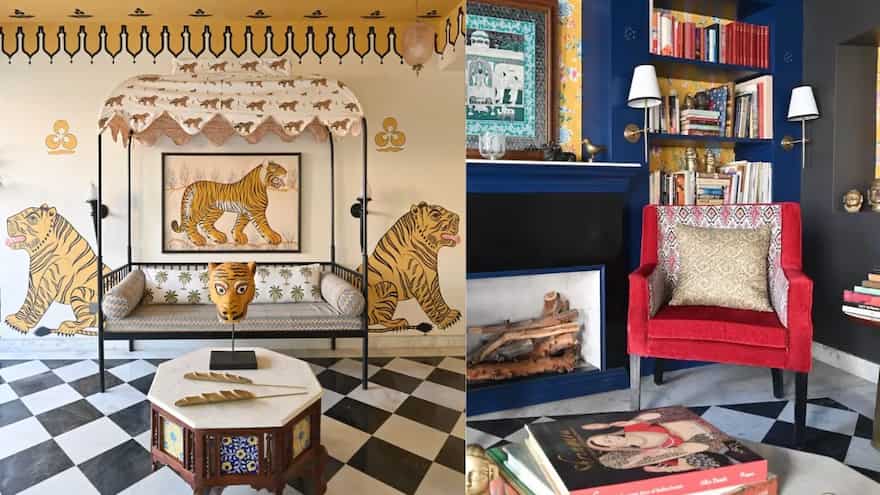
Image Credit: laalee.in
Slurrp: Food is often tied to memory. What childhood food memory most shaped your culinary style?
Mangochi is central, but also the joy of family meals where everyone has a role—masalachi, helper, or eager taster—shaped how I see food as a shared experience.
Slurrp: Laalee beautifully blends art, culture, and cuisine. How do you envision it evolving?
Laalee is based on the story of Krishna and Jaipur. The food is pure vegetarian, helping me create an artistic language through cuisine. Kayastha and Rajasthani vegetarian dishes are incredibly rich, and I see Laalee as a space where guests experience this harmony of art and food.
Slurrp: What unique experiences can guests expect at Laalee?
The biggest USP is not just art or food, but the personal involvement of me, Shan, and bringing it to every guest. From planning itineraries to suggesting local shops and eateries, we ensure guests leave as friends, not just visitors. Laalee is our passion project to share Jaipur with the world.
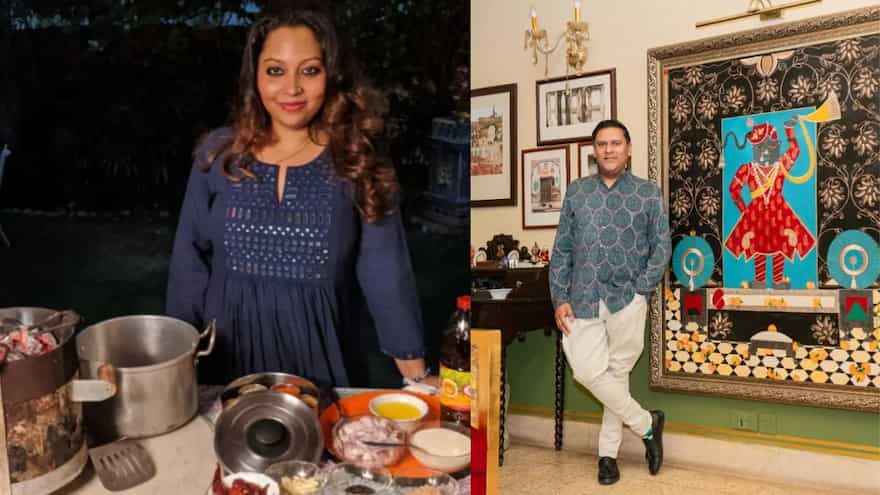
Image Credit: laalee.in
Along with Devyani, Slurrp got into a conversation with artist and designer Shan Bhatnagar to explore how Jaipur’s heritage shapes his vision for Laalee, the stories behind his heritage walks, and his deep commitment to preserving traditional crafts.
Slurrp: As an artist and interior designer, how has your vision for Laalee been influenced by Jaipur’s heritage?
Jaipur is special because of its art, culture, music, traditions, and architecture. I wanted Laalee to reflect this heritage, with each space designed around the central theme of Lord Krishna. Jaipur is known as Gupt Vrindavan, and this inspired many of the designs.
Slurrp: Your heritage walk tours explore Jaipur’s hidden gems. What aspects do you highlight?
Jaipur has many layers, and the fear of extreme modernisation is real. But the younger generation’s pride in heritage is a saving grace. My walks unveil these hidden layers—old traditions, overlooked spaces—treating the classic as sacred and mystery as beauty.
Slurrp: You have a passion for preserving crafts. How do you see their future?
I love working with local crafts—theekri, blue pottery, block printing, quilting, and more. With slight design interventions, these crafts can thrive in modern contexts. Preservation means patronage—respecting craftsmen, paying fairly, never bargaining. Through Laalee and my walks, I aim to create awareness of the immense skill and devotion behind handcrafted goods. Only then will future generations carry this legacy forward.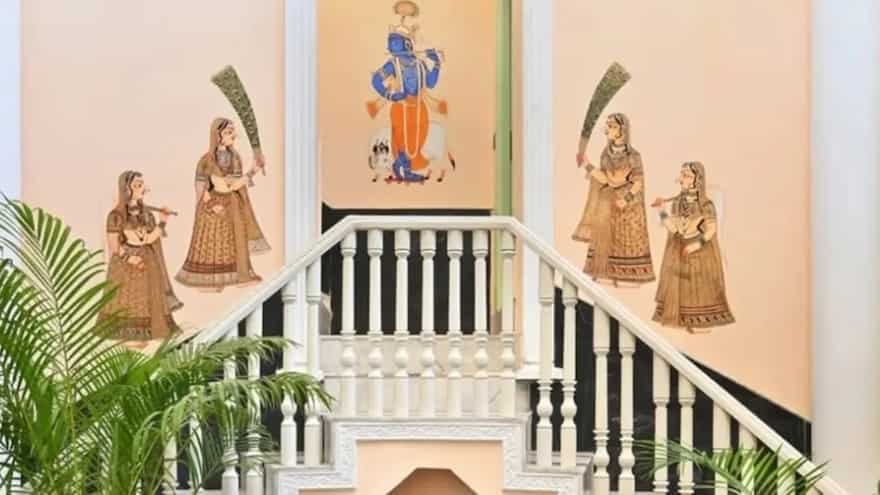
Image Credit: Instagram | shaanse_jaipur
Chef Devyani Bhatnagar and Shan Bhatnagar are custodians of culture—one through food, the other through art. Their collaborative journey is not about nostalgia alone; it is about creating living, breathing experiences for the present. Whether through a pop-up dinner in Kolkata, a cooking class in Jaipur, or a stay at Laalee, their work tells stories that feed both the body and the soul.




