


 Share
Share

Most Indian kitchens need a cooking setup that can handle all kinds of recipes. Some meals need slow simmering, while others need quick frying. A cooktop that can adjust to each style becomes very useful. The Usha Ebony Cooktop supports various types of cooking and works well with different utensils. It holds both light and heavy cookware steady. Its surface stays stable and smooth. That makes every style of cooking easy to manage.
You can use this cooktop to try techniques from many Indian states. It supports long boiling times for dals and reduces water evenly for gravies. You can dry roast, pan fry, steam or even slow-cook using the same unit. The burners give you flame control for both low and high heat. This makes it suitable for many kinds of recipes, whether simple or rich in flavour. Here’s how each technique works best.
1. Boiling
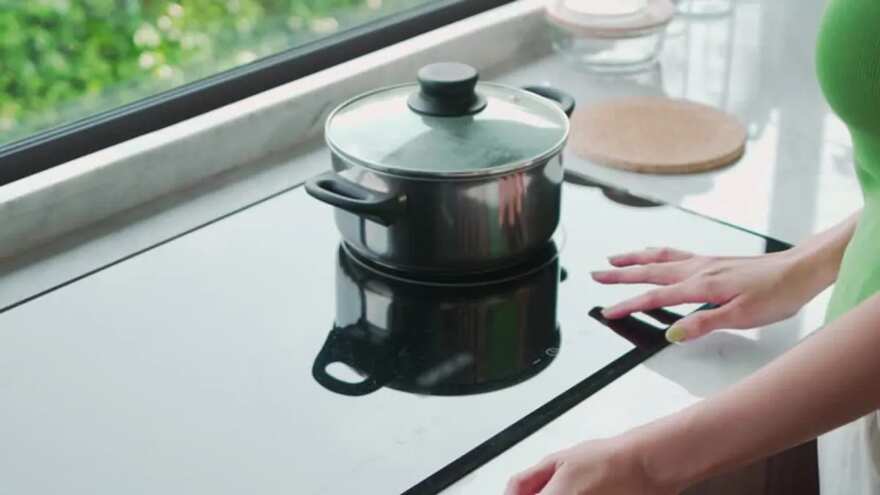
Boiling is one of the most common steps in Indian cooking. You use it to prepare rice, dals, potatoes, or even eggs. For perfect boiling, the pot should stay centred and not tilt. The Usha Ebony Cooktop provides a steady frame that keeps pots balanced. Water boils evenly, and heat spreads from the centre to the edges. For rice, use a deep vessel and leave some space on top for the foam to rise. Start with a high flame, then turn it low once bubbles appear. For chana dal or tuvar dal, soaking them first makes boiling quicker. Use a lid to hold heat and speed up the process. Make sure the flame stays under the base and not around the sides of the pot. This keeps the kitchen cooler and saves gas.
2. Steaming
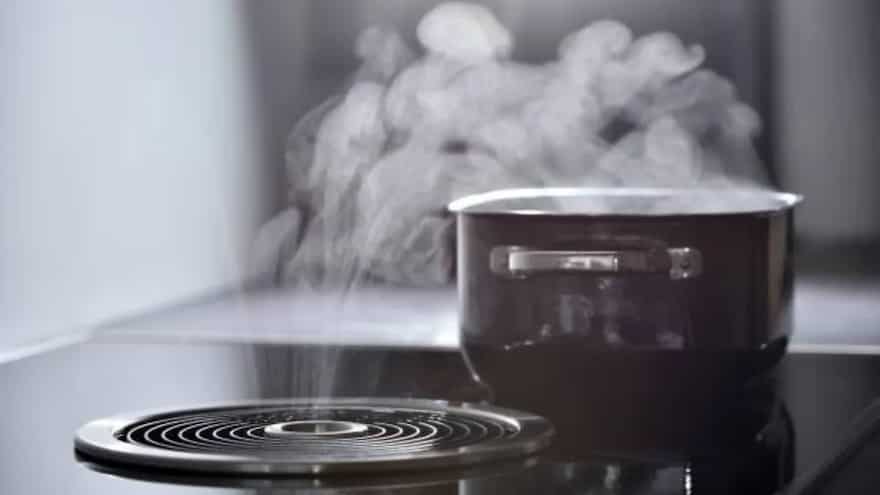
Steaming keeps the flavour and nutrition inside the food. This method is good for idlis, dhokla, momos, patra, and more. All you need is a tight-fitting lid and some water in the base vessel. Heat should be steady but not too strong. A medium flame works well. You can use stackable steel steamers or even a simple colander over a pan of water. The Usha Ebony Cooktop gives an even flame that holds for long periods. This is useful for long steaming times like with stuffed modaks. The knobs are easy to adjust, so you can keep the flame low without it going out.
3. Simmering
Simmering allows flavours to mix slowly. You use it to cook rasam, sambhar, kadhi or slow dals like rajma and chole. The key is to keep the heat steady for long durations. Flames must stay small and constant. Sudden increases in heat can change the taste of the dish. A heavy-bottomed pot works best. The Usha Ebony Cooktop supports weight evenly across the burner. That prevents sticking or burning at the base. You can simmer for hours without needing to shift the vessel. The frame stays cool, and the knobs don’t jam from long use.

4. Dry Roasting
Dry roasting gives a rich, nutty smell to spices and flours. This method is common for masalas, besan, suji or even makhana. For dry roasting, you need a tawa or a thick pan. It must get hot evenly. Roasting works best on a low flame. Start with clean, dry utensils. Stir often to avoid black spots. Whole spices take less time. Flours need patience. You will notice the smell change when it is done. The Usha Ebony Cooktop handles flat utensils like tawas without slipping. That makes roasting safer and more controlled.
5. Pan-Frying
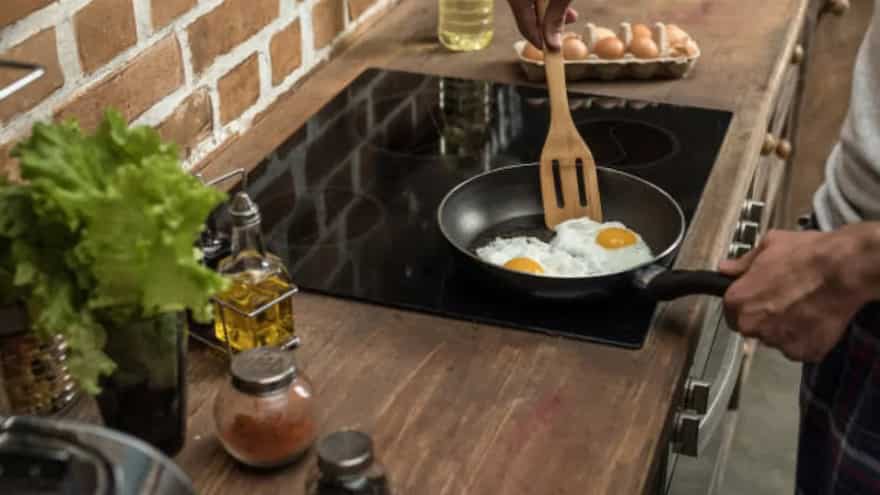
Pan-frying is used for tikkis, paneer, stuffed parathas or cutlets. You need just a little oil in the pan. Use medium flame. Too much oil turns it into shallow frying. Too little makes food stick. For best results, use a thick pan with a wide base. The flame on the Ebony Cooktop spreads well under flat pans. That gives even colour and crisp edges. A steady knob lets you increase the heat slowly. That helps with golden crusts on aloo tikkis or sabudana vadas. You don’t need to change burners midway.
Shallow frying needs more oil than pan-frying. This is common for dishes like puris, vadas, bhajiyas or bondas. The oil must be hot but not smoky. Test by dropping a tiny bit of batter. It should rise slowly. If it browns too fast, the oil is too hot. Use a kadhai with curved sides. The Usha Ebony Cooktop supports round-bottomed kadhais well. The pot rests well on the supports, even when heavy. That lets you fry safely without tipping. Adjust the flame after each batch to keep the temperature steady.
7. Deep Frying
For deep frying, oil should cover the food fully. This technique is used for samosas, pakoras and gulab jamuns. The oil must stay between medium to high heat. If it drops too low, the food absorbs oil. If it gets too hot, the food burns outside but stays raw inside. A strong flame is needed to heat oil quickly. The Usha Ebony Cooktop gives you full control to start high, then turn it down when the food is done. The wide burner also heats the base evenly. This avoids cold spots in the kadhai. The support frame stays firm even with full oil weight.
8. Searing
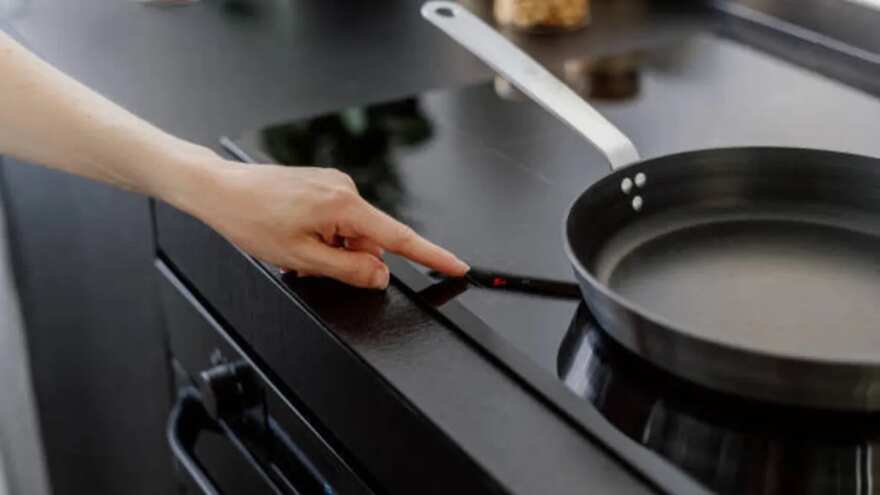
Searing gives a brown layer on the surface of food. This method locks in juices and creates flavour. It is good for paneer, mushrooms or even vegetables like bhindi or baby corn. For searing, you need a flat, heavy pan and high heat for a short time. The burner must reach full heat fast. The Usha Ebony Cooktop does this without delay. Once the pan is hot, the food sizzles at once. Let it sit still before turning and just flip only once or twice. The surface of the cooktop does not stain or burn during high-heat use.
9. Slow Cooking
Slow cooking helps ingredients break down over time. It brings out depth in dals, gravies, and kheer. Low heat for a long time is important. You should not stir often. Just let the dish sit and develop flavour. Use a pot with thick walls. Keep the flame low and steady. The Usha Ebony Cooktop allows gentle simmering for hours. The knobs do not overheat or stiffen. This helps you manage long recipes without constantly standing near the stove.
10. Tadka or Tempering
Tempering is used in most Indian meals. Mustard seeds, jeera, curry leaves or hing are put in hot oil or ghee. Timing is key. The oil must be hot before you add spices. Stand close and act quickly. Use a small tadka pan. Keep all items ready. Once the seeds pop, pour them into your dal or sabzi. The cooktop flame must rise quickly and turn off just as fast. This level of control is possible on the Ebony Cooktop.
This is how you can explore many cooking styles on a single stove. A cooktop that holds your vessel steady and lets you adjust the flame without effort changes your entire experience. The Usha Ebony Cooktop supports all these methods while blending into Indian kitchen habits.




