


 Share
Share

Ask a Bengali, and the list of favourites never ends at Aloo Posto. Postor Bora, Narkel Posto, Chingri Posto, Shapla Posto, Bhindi posto, Rui Posto, Begun Posto, and there’s no end to it.
There are e few things in life that can tempt a Bengali more than a fragrant plate of hot, steaming rice topped with aloo posto, green chilli, and just a drizzle of pungent mustard oil. That’s actually enough to make even the most ardent biryani-lover give up their favourite dish for a day. The combination of potato, posto, and mustard oil creates a kind of magic that can mesmerise a Bengali soul.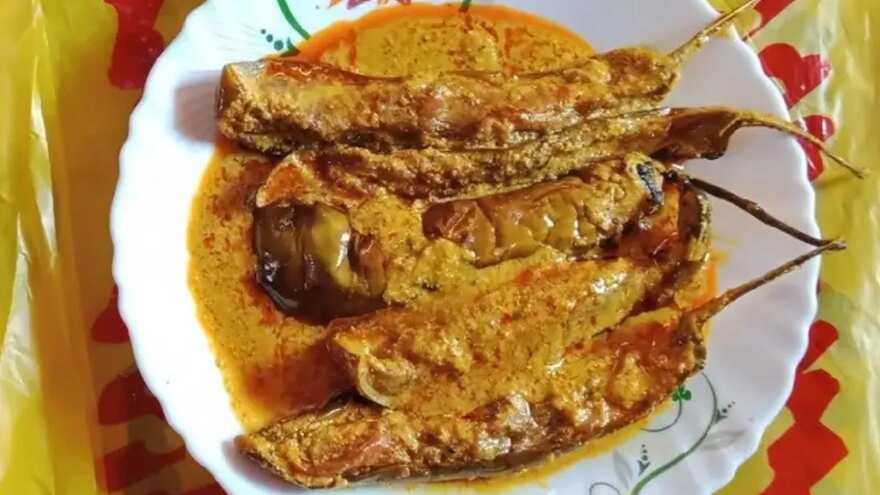
Image Credit: Adobe Stock
Being a Bangal, with my family roots tracing back to Dhaka, Bangladesh, I grew up with posto as a happy addition to our plates. For us, it was always a welcome companion to other spicy delights. Yet, when I spent time with relatives from West Bengal, I realised something unique: for them, posto is the star of the meal. If you told any Ghoti that every dish on their daily menu had to be erased except one, they would stick to alu posto as their lifeline.
Despite its cultural integration, posto today is expensive. A kilogram can cost between ₹2000 and ₹2400, making it a luxury in many households. Yet Bengalis all around the world often splurge on it because its absence feels like a void. Name any festival, a family lunch, or a Sunday exclusive lunch is complete without at least one posto dish.
The Long Battle Between Bangal And Ghoti: To Whom Does Posto Belong?
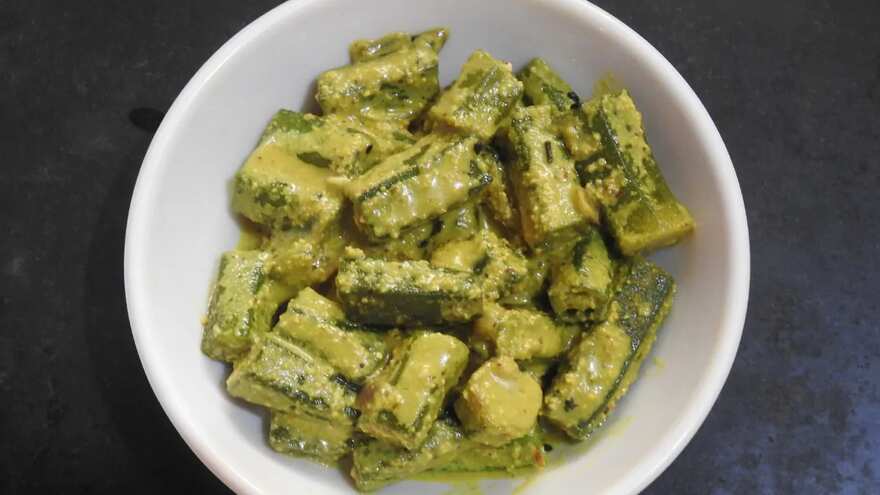
Image Credit: Adobe Stock
It may surprise many to know that posto was not always considered a Bengali kitchen essential. Historically, it was a staple among the Santhal communities of Bengal, used in simple, everyday meals. Over time, as culinary exchanges happened across communities, posto, being a tribal necessity, turned into an elite delicacy, particularly after the British colonial era.
Food is often where cultural identities and the Bangal-Ghoti divide are perhaps best understood through posto. For Bangals (East Bengal/Bangladesh origin), food is fiery, spicy, and bold. Mustard paste, dried red chillies, and their flavours rule the dining table.
When Bangals prepare posto dishes, it mostly comes with a stronger chilli presence and a sharper tone of mustard. When I learnt some of these posto dishes from Maa, gradually my focus went towards fish dishes mostly. I started customising my Doi mach recipe with creamy posto bata and it turned out to be so delicious.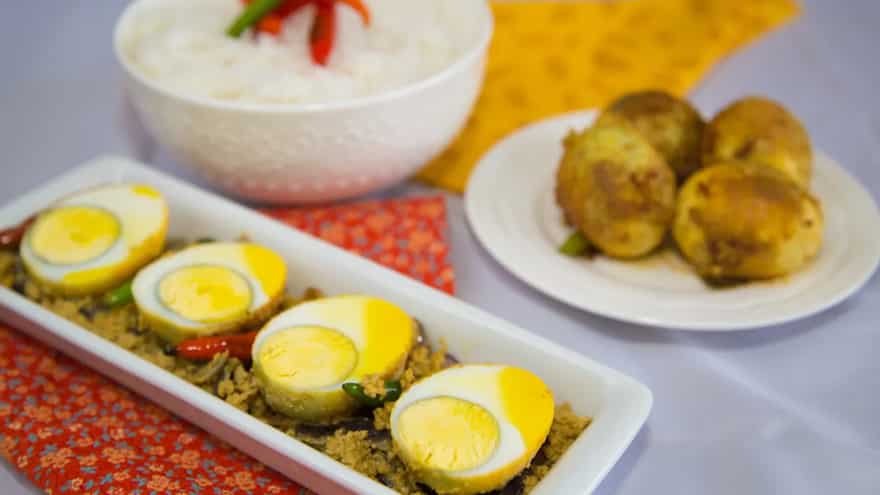
For Ghotis (West Bengal origin): Food leans toward subtle sweetness and a balance of flavours. Posto in a Ghoti household is often simpler, creamier, and less aggressive. Alu posto, jhinge posto (ridge gourd with posto), or posto bora (fritters) are celebrated as comfort staples, needing no extra adornments.
Growing up, I experienced both. My mother’s Bangal-style posto dishes carried heat, while my aunt, married into our family but Ghoti from her paternal side, introduced me to the softer Ghoti variations. So, not too perfectly, but I can still prepare a bit of posto like a true-blue ghoti.
To date, the weekly menu at my home comprises different dishes with poppy seeds. Just like our childhood days, we still plan a family dinner every month at my aunt’s place to enjoy her authentic dishes. The best part about her cooking is that she clung to her origin with no mix-up of the Bangladeshi influence. 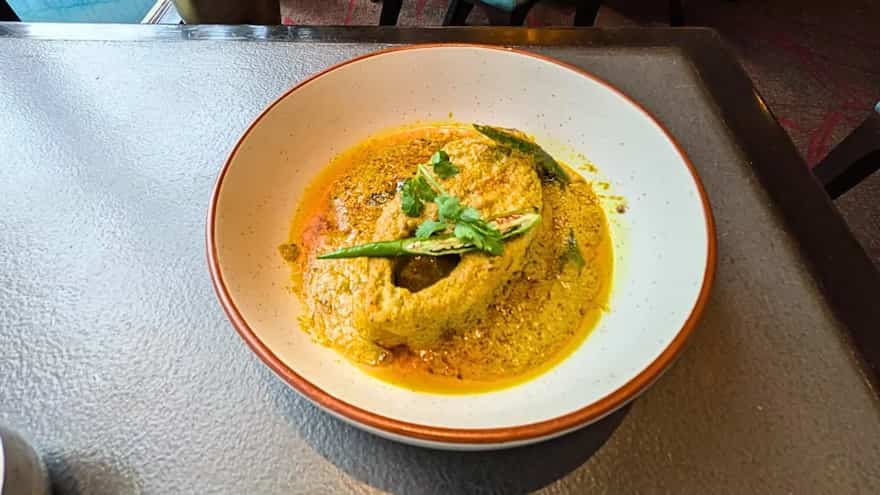
From the must-have Aloo Posto, where poppy seed paste seems to be in love with the golden potatoes, to the Jhinge Aloo Posto made with ridge gourd and potatoes, the options of posto dishes in Bengali kitchens are vast. Even the rustic feel of Kancha Posto Bata, a raw paste mixed with green chillies and mustard oil, can be too extraordinary to imagine.
For the non-vegetarian lovers, Dim Posto, where eggs simmer in nutty posto gravy, or that fragrant Murgi Posto, where chicken is coated in a luscious poppy seed base. For those who are born to justify the all-time Machhe-bhaate Bangali tag, they can swear by Rui Posto, combining freshwater fish with the creamy paste or the unforgettable chingri posto with rice. If not fish, it can be a bowl of Peyaj Posto (onions cooked in posto) and Begun Posto with shrimps (brinjal with poppy seeds) to join the league. 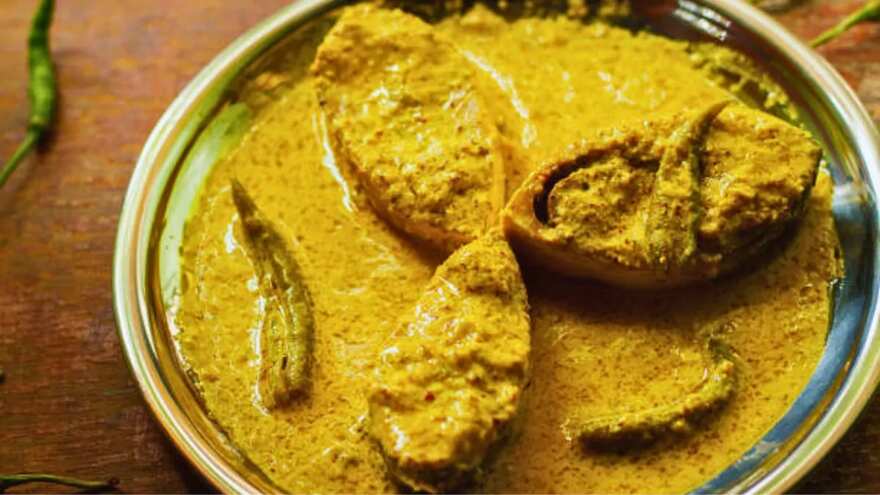
So, to those who grew up in a Bengali home, they probably have their own memories tied to posto. Perhaps it was your grandmother’s secret posto bora recipe, or the way your father insisted on posto bata on Sundays, posto will hit nostalgia forever!




