


 Share
Share

FOR THE BETTER PART of the last decade, food has been engineered to disappear.
Groceries arrive before we realise we’re low. Dinner is “sorted” in 22 minutes. An app remembers our coffee order better than we do. Algorithms anticipate hunger, cravings, even moods — flattening the daily work of nourishment into taps, swipes, and defaults.
And now, suddenly, people are asking: What if that was the problem?
Enter friction-maxxing, a concept coined earlier this year by The Cut columnist Kathryn Jezer-Morton, and swiftly adopted by people who are tired of frictionless living — and the strange hollowness it leaves behind. At its core, it’s the deliberate reintroduction of effort, inconvenience, and mild discomfort into everyday life. Not as punishment. Not as nostalgia cosplay. As a way of staying human in systems designed to smooth us out.
If frictionlessness has made food faster, cheaper, and more optimised than ever, friction-maxxing asks a destabilising question: What have we lost along the way?
The cult of ease — and its discontents
Modern food culture is built on removing obstacles. Pre-chopped vegetables. Meal kits measured to the gram. “Reorder” buttons that bypass memory altogether. Even hunger is increasingly treated like a glitch — something to suppress, manage, or biohack.
Convenience culture is efficient. It’s also, friction-maxxers argue, where eating starts to feel unmoored from thought, pleasure, or consequence.
The critique plugs into a broader unease with algorithmic living: when choices are always predicted for us, we stop practising judgement. We outsource curiosity. We default. We skim life on autopilot.
Applied to food, friction-maxxing doesn’t mean sourdough absolutism or swearing off delivery forever. It means noticing where ease has quietly replaced engagement — and choosing, occasionally, to make things harder on purpose.
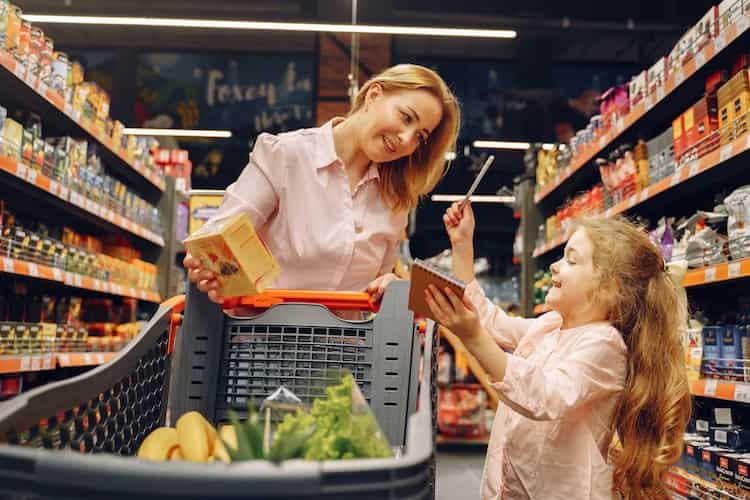
High-friction food shopping: forgetting what you came for
The frictionless grocery shop is a marvel of modern logistics. It’s also eerily passive: saved carts, predictive suggestions, a digital voice reminding you that you “usually buy this”.
Friction-maxxing starts by breaking that spell.
It might look like walking into a market without a fully optimised plan. Writing your list on paper — and realising, halfway down the aisle, that you’ve forgotten something essential. Talking to the butcher instead of clicking the shrink-wrapped cut an app recommends. Standing in a queue. Making eye contact.
These moments aren’t romanticised hardship. They’re cognitive engagement. They require decision-making, improvisation, and — crucially — attention. You’re forced to remember what you eat, how often, and why.
In a friction-maxxed food economy, forgetting isn’t failure. It’s feedback.
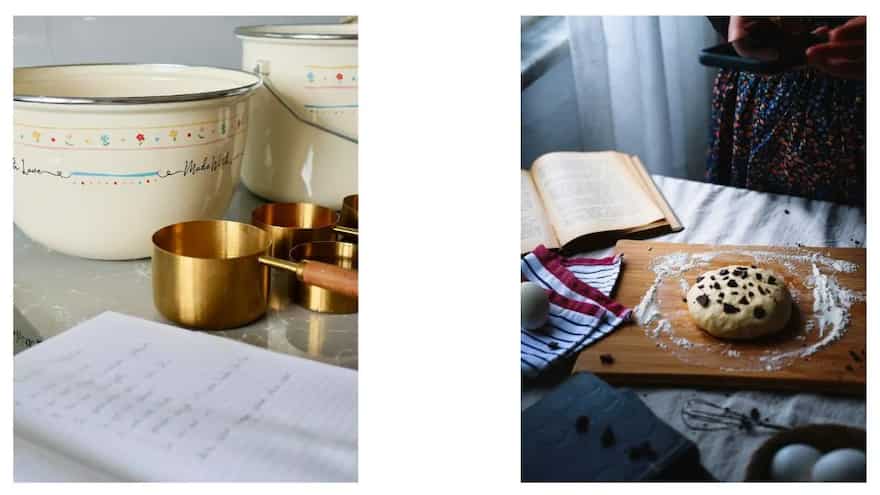
Cooking without optimisation (or AI)
Few places expose our intolerance for friction like the kitchen.
Today’s dominant cooking culture promises “no-fail” recipes, time hacks, and AI-generated meal plans calibrated for efficiency and macro balance. Friction-maxxing, by contrast, invites failure back into the room.
Cookbooks, not prompts. Techniques learned slowly, imperfectly. Onions burned because the heat was wrong. Dough kneaded for too long or not long enough. Meals that are… fine.
The point isn’t artisanal suffering. It’s presence. When you cook without optimisation, you have to read, interpret, and adjust. You learn by doing a bad job before you do a decent one. You experience food as a process, not an output.
In this version of the kitchen, effort isn’t wasted. It’s how taste is learned.
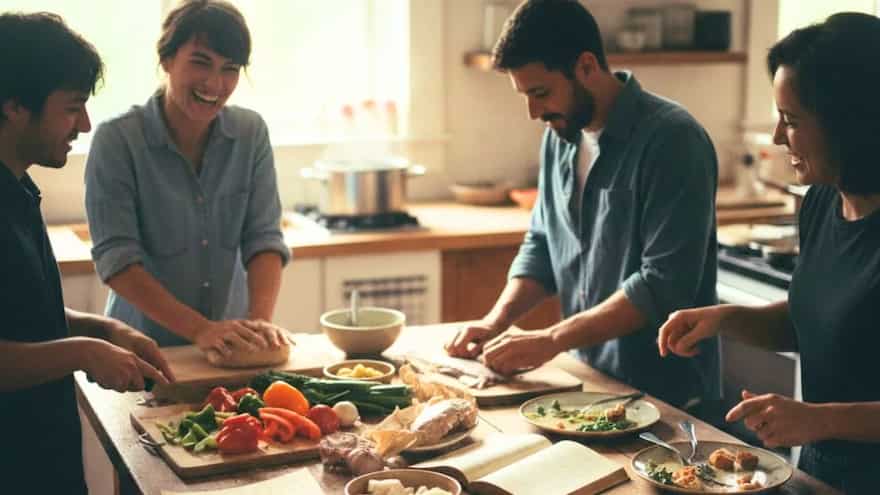
The messy table: social friction as nourishment
Friction-maxxing doesn’t stop at the stove. It follows food to the table.
The seamless hosting fantasy — perfect timing, immaculate plating, guests arriving to a ready spread — is a performance shaped by Instagram more than reality. A friction-maxxed dinner looks different.
People arrive before the food is ready. Someone helps chop. Someone else sets the table wrong. The conversation lulls. The phone stays away. There’s awkwardness. There’s participation.
These meals aren’t “experiences”; they’re negotiations. They require patience, tolerance, and the small social skills that get rusty when everything is serviced.
If frictionless dining treats guests like consumers, friction-maxxed meals make everyone complicit.
Hunger, appetite, and the refusal to smooth everything out
The most uncomfortable extension of friction-maxxing in food might be appetite itself.
In contemporary wellness culture, hunger is often framed as an error state — something to mute, suppress, or chemically manage. Friction-maxxing proposes a quieter, more unsettling idea: What if hunger is allowed to exist?
This isn’t about glorifying deprivation. It’s about resisting the urge to erase every bodily signal the moment it becomes inconvenient. Sitting with craving. Learning the difference between boredom and need. Letting appetite be information, not a problem to solve.
Even taste can be frictional. Foods that demand work — fish with bones, fruit that needs peeling, fermented flavours you have to learn to like — slow eating down. They resist mindless consumption. They insist on attention.
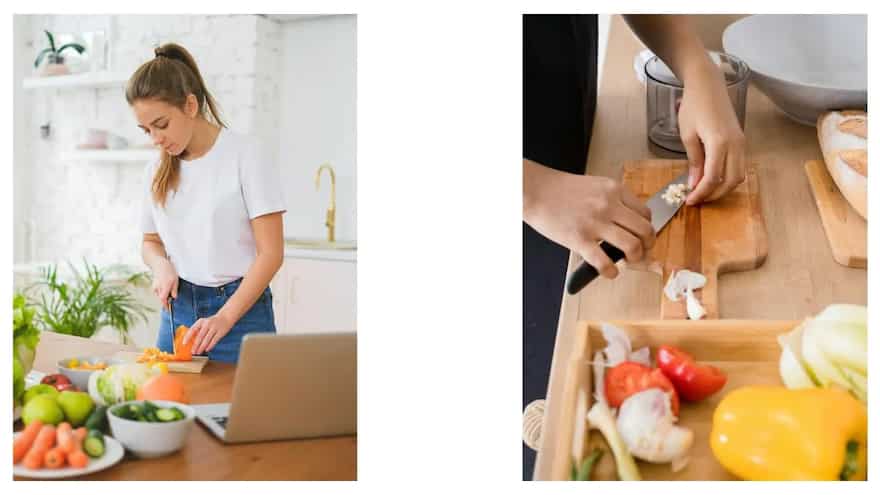
Why friction feels radical right now
The appeal of friction-maxxing in food isn’t moral purity. It’s fatigue.
People are tired of optimisation that promises freedom and delivers numbness. Tired of systems that smooth life so thoroughly there’s nothing left to push against. Food — at the intersection of body, labour, culture, and care — becomes an obvious place to test resistance.
But before friction-maxxing turns into another aspirational lifestyle badge, there’s an uncomfortable question worth asking: who has historically carried the friction around food, and who hasn’t?
A necessary pause: who this is (and isn’t) for
In the Indian context, especially, friction around food has never been optional.
For many households — particularly traditional or multigenerational ones — cooking is already a daily endurance event: early-morning market runs, multiple meals, constant planning, feeding everyone before yourself. This labour has overwhelmingly fallen on women, often alongside paid work, caregiving, and the invisible management of a home. There’s nothing novel or restorative about this kind of friction. It isn’t a philosophy. It’s just work.
For these kitchens, friction-maxxing isn’t a new trend. It’s the default setting.
Which is why this idea can’t be read as a call to “do more” in homes where people are already doing everything. The friction being reclaimed here isn’t unpaid domestic labour. It’s mental agency — resisting outsourced thinking, not romanticising exhaustion or piling effort onto those who already carry the load.
In practice, friction-maxxing makes the most sense for people whose food lives have become too smooth: urban professionals, small households, people used to apps remembering what they want, when they want it. It’s a reaction to over-automation, not under-support.
If friction-maxxing has any ethical footing at all, it lies in redistributing effort, not increasing it — sharing the work, lowering the performance pressure around food, and recognising that “making things harder” only means something when ease has been a privilege to begin with.
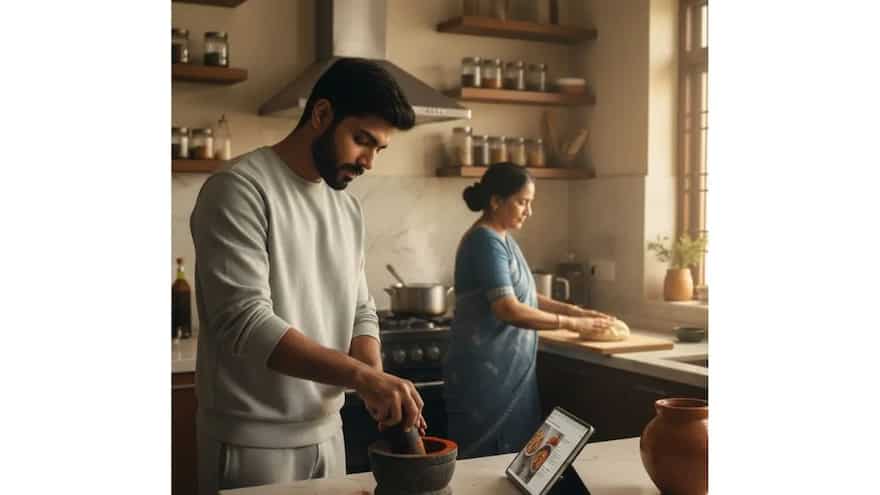
Choosing friction, carefully
Seen this way, friction-maxxing isn’t about rejecting convenience wholesale. It’s about noticing where convenience has quietly replaced participation — and choosing, sometimes, to step back into the mess.
Writing the grocery list instead of reordering. Cooking without optimisation. Letting hunger exist for a while. Eating food that demands attention. Sharing the work at the table instead of presenting a finished performance.
In a culture obsessed with making food easier, friction-maxxing offers a counterintuitive idea: nourishment doesn’t always come from smoothness. Sometimes, it begins where ease ends.




