


 Share
Share

ON A SALT-STUNG MORNING in 1930, Mohandas K Gandhi bent down on the Gujarat coast, scooped a fistful of saline crystals, and held them aloft — not as seasoning, but as defiance. In that moment, salt was no longer just the stuff of kitchens; it became the grainy, unyielding emblem of India’s push for independence. In the long arc of India’s freedom struggle, food was never just sustenance. It could be a whisper passed hand to hand, a march against monopoly, or a sweet remade in the colours of a new nation. And India is hardly alone: around the world, dishes, ingredients, and even entire meals have doubled as banners, passwords, and tools for organising. What we eat can be protest, and sometimes, it can be the revolution itself.
INDIA: chapatis, salt, and the tricolour sweet
Well before Mahatma Gandhi transformed salt into a symbol of civil disobedience, the subcontinent had already seen bread used as a clandestine courier. During the upheaval of 1857, thousands of unmarked chapatis were baked and relayed across northern India — often by village watchmen — moving rapidly and mysteriously from settlement to settlement. British officials recorded the phenomenon with alarm, unable to decipher whether the rotis signalled orders, warnings, or mere rumours. Historians still debate the “why,” but the fact is uncontested: chapatis travelled in chains of exchange and anxiety as revolt spread. Food — ordinary, perishable, anonymous — proved an uncanny medium for mobilisation.
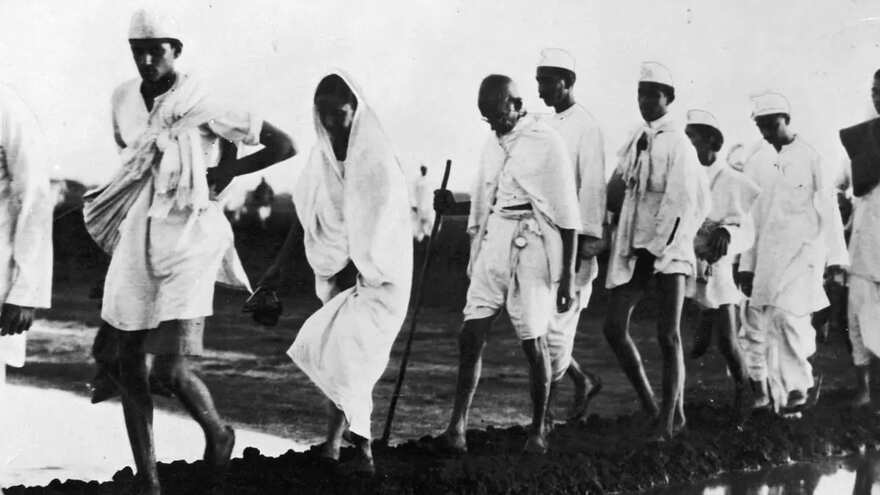
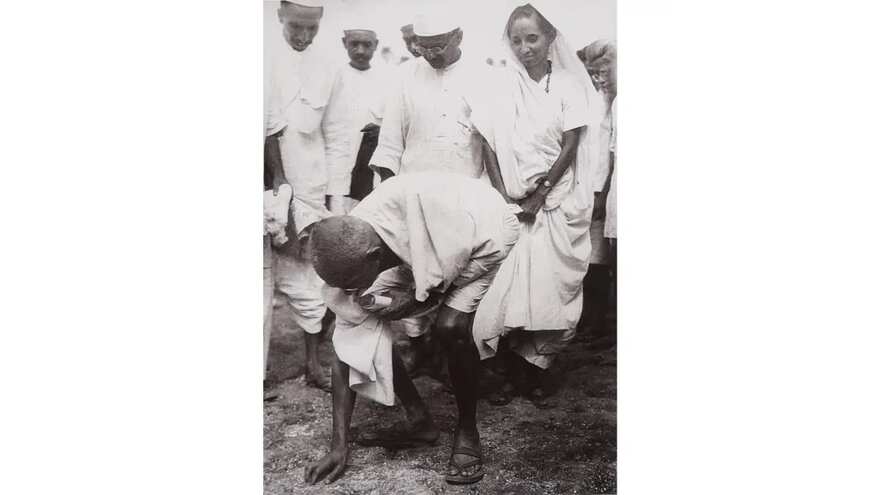
If chapatis were a whisper network, salt became a clarion call. In March 1930, Gandhi walked 240 miles to the Arabian Sea, defying the colonial monopoly by gathering a pinch of untreated salt at Dandi. The Salt March was political theatre conducted with an ingredient every Indian needed and every government tried to tax; that was precisely the point. To criminalise salt was to criminalise life. Gandhi’s gesture catalysed nationwide satyagraha — ordinary people breaking an unjust law by evaporating seawater or buying and selling contraband salt — and it cut through policy abstractions to the palate’s daily necessity. Even now, histories of the movement compress it to a single image: a frail man stooping at the surf, lifting something white and crystalline that belonged to everyone.
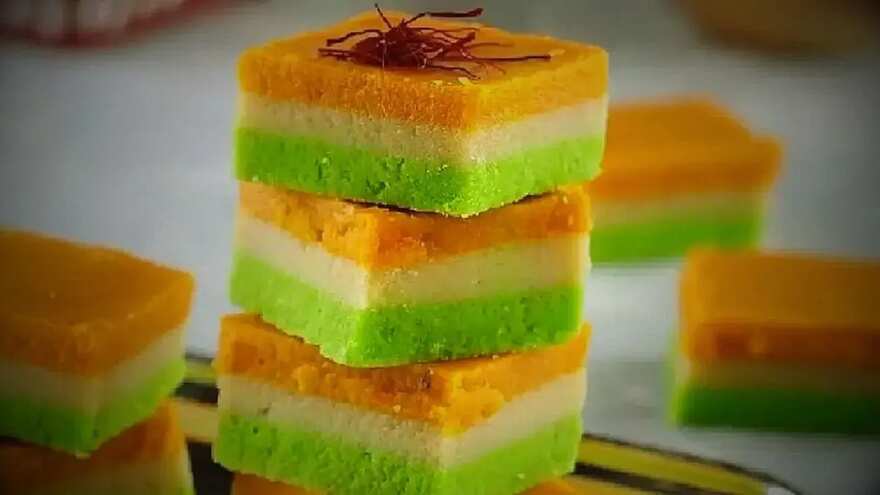
When independence finally arrived in 1947, sweet shops played their own part in public joy and identity-making. In Banaras (Varanasi), confectioners popularised tiranga (tricolour) barfi — squares layered in saffron, white, and green — to mirror the new flag and sell a message of nationhood through sugar and ghee. The sweet’s backstory has local variations and contested dates, but the through-line is clear: mithai counters became vernacular presses, broadcasting the aesthetic of a free India.
These episodes — chapatis in circulation, salt at the shore, tricolour in the window — share a grammar. Food works as a tool of freedom when it is ubiquitous enough to be legible, simple enough to be replicated, and essential enough to turn state control into moral theatre. India’s freedom struggle mastered all three.
THE UNITED STATES: tea dumped into history
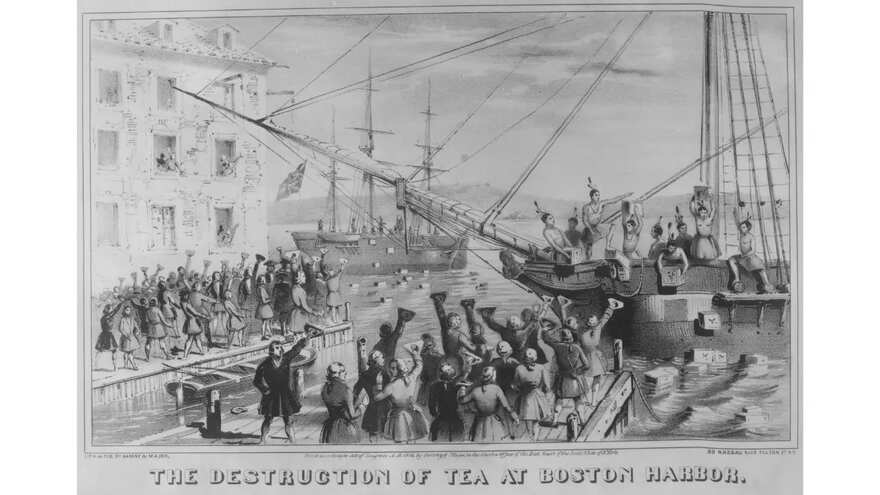
Long before Instagram made symbols viral, American colonists understood the optics of food in protest. On December 16, 1773, members of the Sons of Liberty boarded ships in Boston Harbour and dumped 342 chests of tea to contest a tax they had not voted for and a monopoly they could not tolerate. The act was both material sabotage and meaning-making: tea — daily, domestic, and British to the bone — became the perfect prop to dramatise “no taxation without representation.” London retaliated with punitive “Intolerable Acts,” further radicalising the colonies. Few episodes demonstrate as cleanly how an everyday ingredient can be leveraged to turn policy into parable.
HAITI: a soup reclaimed
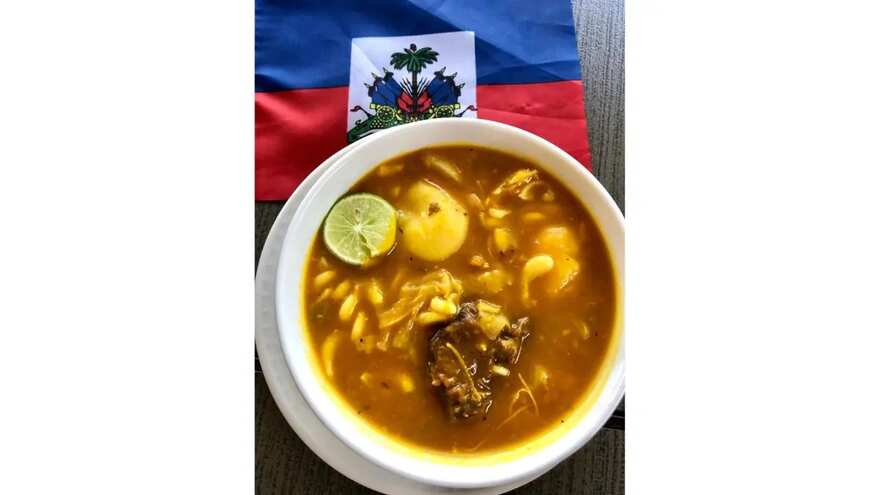
If Boston’s gesture weaponised a commodity, Haiti’s revolution reclaimed a recipe. Under French rule, enslaved people were barred from consuming soup joumou, a rich pumpkin-beef soup served to the planter class. On January 1, 1804, as Haiti declared independence, Haitians cooked and ate the dish as an edible declaration of dignity — liberty ladled into bowls. The tradition endures every New Year’s Day, recognised in 2021 by UNESCO as part of humanity’s Intangible Cultural Heritage. Few foods more explicitly invert power: what was forbidden becomes the flavour of freedom.
EGYPT & TUNISIA: bread, dignity, and revolt
Bread is politics in much of North Africa and West Asia, where subsidies stabilise not only diets but regimes. When Tunisia cut bread subsidies in 1983-84, protests mushroomed into the “bread riots” and were brutally suppressed — an omen of how price and pride can combust. A generation later, Mohamed Bouazizi’s self-immolation ignited the 2010-11 Tunisian uprising that cascaded into the Arab Spring, spreading to Egypt, where the rallying cry was “Aish, hurriya, ‘adalah igtima‘iyya” — bread, freedom, social justice. In Egyptian Arabic, 'aish' literally means “life,” a linguistic fusion of staple and survival. The slogan made food scarcity and political dignity inseparable in public space.
MEXICO: tortillas and the price of sovereignty
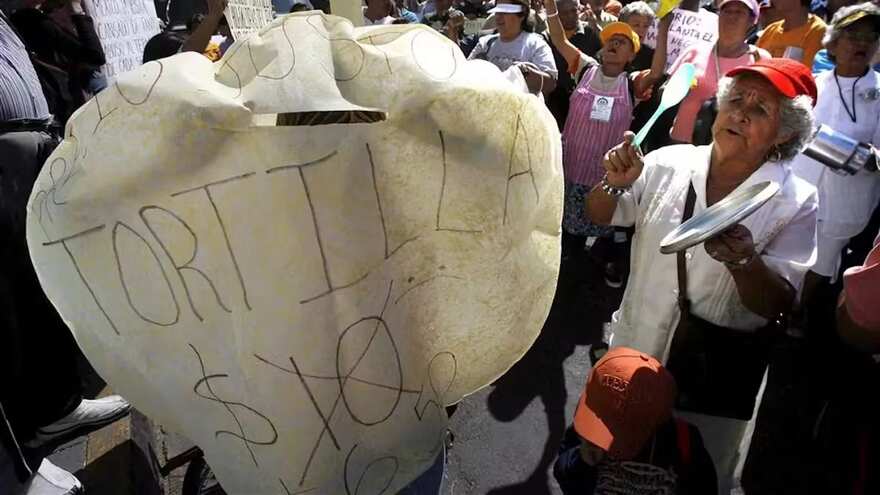
In January 2007, as corn prices surged with global market shifts, Mexicans poured into the streets to protest the tortillazo — a spike in the price of the maize flatbreads that anchor national cuisine and caloric intake. Scholars have since shown how the mobilisations linked food security to state accountability, revealing how a humble tortilla can index sovereignty, market policy, and the right to eat. When the unit of protest is the thing you cannot imagine a day without, a crowd forms quickly.
THE BLACK PANTHERS: breakfast as a political statement
Sometimes food isn’t just a symbol for rights — it delivers them. In 1969, the Black Panther Party launched the Free Breakfast for Children program, serving morning meals in church basements and community centres across US cities. “Survival programs” like this were designed to meet basic needs where the state failed, but they also asserted a powerful narrative: that nourishing children was political work, and that feeding could be a form of self-determination. At its peak, the program fed tens of thousands daily and forced officials to reckon with hunger as a public priority.
ARGENTINA: pastries with a wink (and a history)
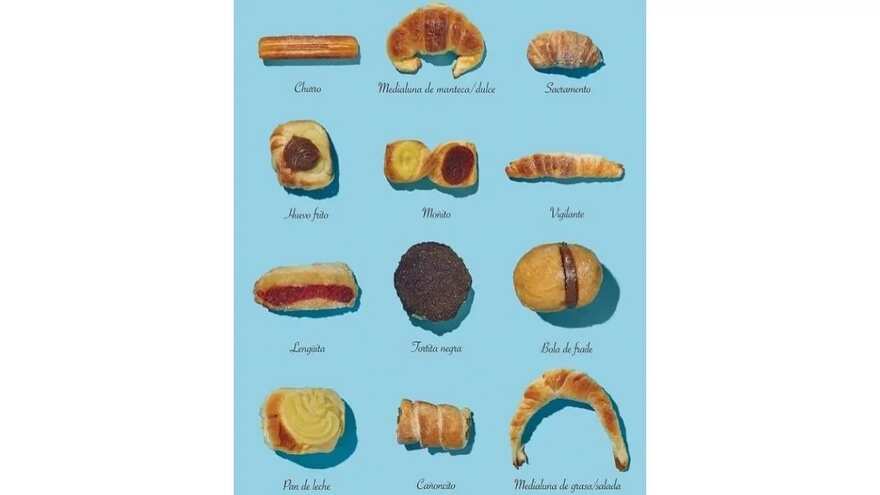
In late-19th-century Buenos Aires, anarchist bakers found another tactic: rename the pastries. Facturas — everyday croissants and custard-filled treats — took brazen, mocking names aimed at church and state: vigilantes (“watchmen”), bolas de fraile (“friar’s balls”), suspiros de monja (“nun’s sighs”). The joke stuck, embedding labour politics into a morning ritual. It’s a softer story than salt or soup, but it shows how even confectionery can carry a subversive aftertaste.
PALESTINE: a fruit that became a flag
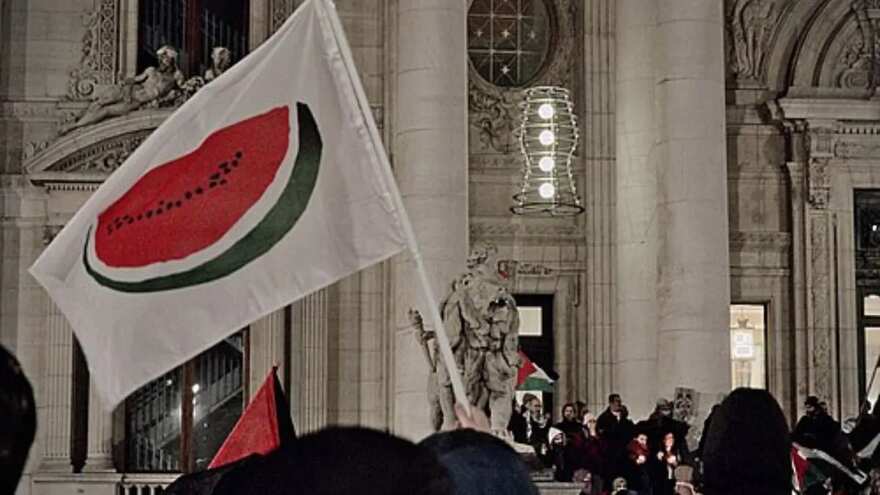
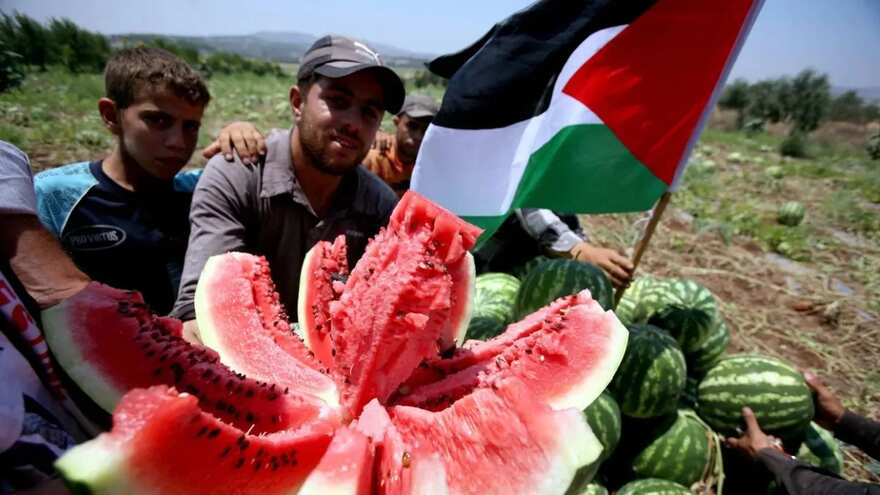
In the late 20th century, when public display of the Palestinian flag was restricted, artists and protesters reached for something that could stand in for its colours: the watermelon, its red flesh, green rind, white pith, and black seeds forming a de facto palette of resistance. Decades on, the watermelon remains a shorthand symbol — on placards, stoles, and social media — linking food, land, and identity in a single slice.
India’s Independence Day is full of these resonances. Salt remains in every kitchen; tricolour sweets still brighten mithai cases; and the chapati’s long-ago rumour hints at how quickly meaning can travel along foodways. The genius of the freedom movement was to make the quotidian unignorable: to expose monopoly in a pinch of crystals, empire in a pinch of spice.
And the lesson travels. When colonists made a harbour bitter with tea, they taught the world that policy can be staged with groceries. When Haitians ladle joumou every January 1, they renew a declaration of humanity that began in 1804. When Egyptians chanted for bread in Tahrir, they made the price of a flat loaf a barometer of dignity. When Panthers set tables before school, they rewrote what “security” could mean.
Food will not redeem politics on its own. But it is one of the few languages spoken fluently by both the body and the crowd. It can cross borders faster than pamphlets; it can dignify the poor without a speech; it can make the abstract edible. On a day like today, when India celebrates the right to chart its own future, it’s worth noticing the ways a nation — and a world — has cooked that right into being.




