


 Share
Share

Paryushan is a festival of reflection and restraint for Jains, and it places equal importance on food as it does on prayer and fasting. The food prepared during these days is made without onion, garlic, potato, or other root vegetables, as these are avoided due to the principle of non-violence. Dishes are usually light, wholesome, and prepared with grains, lentils, and spices that are considered pure and sattvic. Families once followed recipes that were handed down from grandmothers and mothers, and many of these dishes carried the wisdom of using seasonal ingredients in their simplest form. Over time, as modern kitchens adapted to faster and more convenient cooking, some of these recipes have gradually disappeared from everyday practice. Reviving them during Paryushan brings not just flavour but also connects families with the cultural heritage of Gujarat and the deeper meaning of the festival.
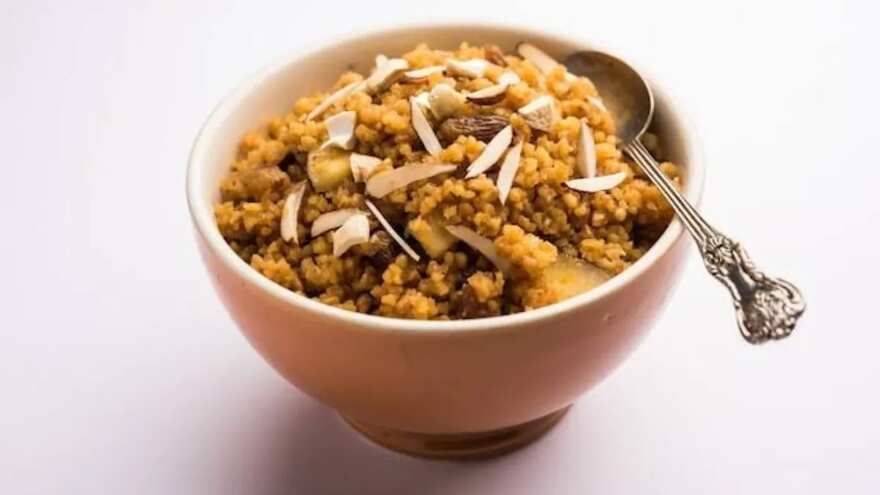
1. Lapsi Made with Coarse Wheat and Jaggery
Lapsi is a traditional sweet dish made during religious occasions, and during Paryushan it held a special place because of its simplicity and nourishing quality. The dish is prepared using coarse wheat flour roasted slowly in ghee until golden brown. Jaggery is dissolved in water and added to the roasted wheat, which is then cooked until soft and sweet. Cardamom is sometimes added for flavour, but many homes kept it plain to match the simplicity of the festival. The use of jaggery instead of refined sugar also made it wholesome and in line with the principles of eating natural food. Lapsi was often served in small quantities as prasad after prayers, and it symbolised gratitude rather than indulgence.
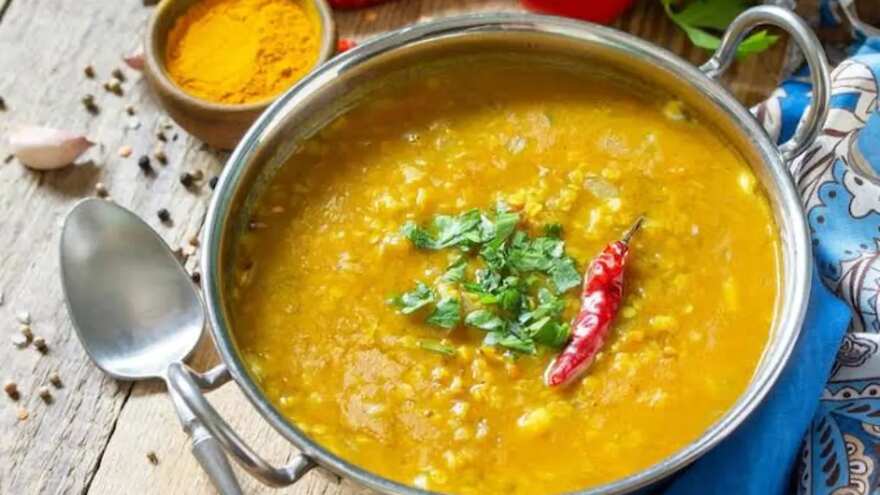
2. Osaman with Moong Dal Water
Osaman is a simple lentil-based dish that differs from the heavier dals eaten on regular days. During Paryushan, the water strained from boiled moong dal is used as the base. Tamarind pulp is added for a sour flavour, and jaggery balances it with mild sweetness. A tempering of cumin seeds, curry leaves, and dried red chillies is added in ghee or oil. The dish is light, slightly tangy, and is consumed with plain rice. Osaman was often prepared in larger quantities because it was easy to digest and suitable for all ages. It was considered a dish that respected the balance of taste while staying within the discipline of festival food rules.
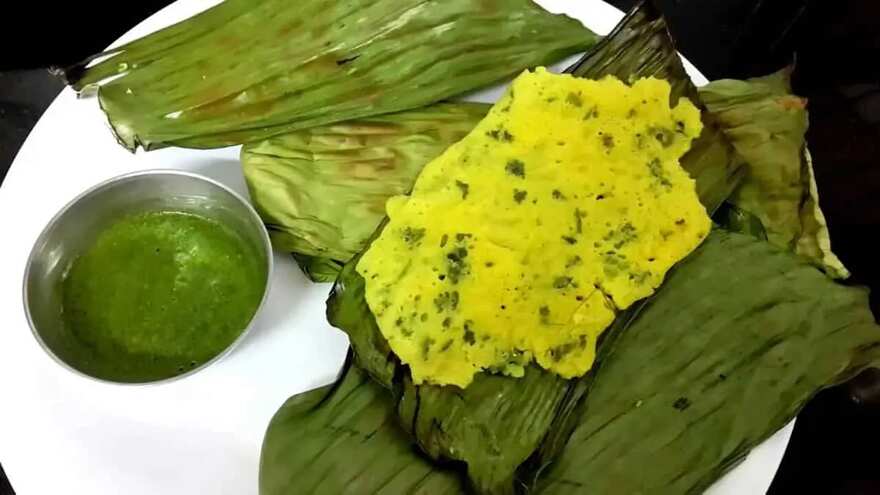
3. Paanki Steamed in Banana Leaves
Paanki is a recipe that many younger generations may not have seen in their homes. It is made from a thin batter of rice flour, ginger paste, and green chilli paste, spread between greased banana leaves and steamed until cooked. The leaves are peeled away before eating, leaving behind a soft, fragrant layer of savoury pancake. Paanki requires patience and care to prepare because the leaves must be fresh and the batter spread evenly. It was once a common dish during Paryushan since it involved no root vegetables and celebrated the availability of rice and fresh banana leaves in Gujarat. The dish was often made for family gatherings and carried a sense of togetherness when everyone peeled and shared the leaves around the meal.
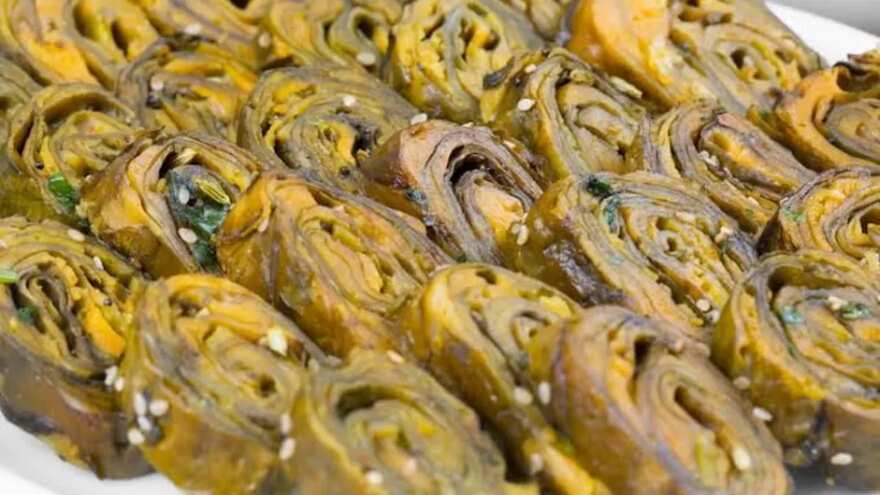
4. Patra Made with Colocasia Leaves
Patra, also called alu vadi in some regions, is a dish made with colocasia leaves layered with a paste of gram flour, jaggery, tamarind, and spices. The leaves are rolled tightly, steamed, and then cut into slices. During Paryushan, this dish was often steamed without frying, making it lighter and more suitable for the fasting period. The combination of sweet, sour, and spicy flavours reflects the Gujarati approach to balancing tastes even within restrictions. Preparing patra was a community task in many homes, with family members helping in cleaning the leaves, spreading the paste, and rolling them. Although it requires effort, the result was always satisfying and nourishing, making it a treasured recipe of the season.
5. Sukhi Moong Dal with Spices
Among the simplest dishes served during Paryushan was sukhi moong dal, which is dry-cooked yellow moong dal prepared with minimal seasoning. The dal is soaked and then cooked until soft but not mushy. It is tempered with cumin seeds, asafoetida, and green chillies, sometimes with the addition of grated coconut or coriander leaves if available. This dish was often eaten with rotis made from wheat or jowar flour. Its plainness reflected the austerity of the festival, yet it provided enough nutrition for those who were not observing complete fasts. Families believed that eating dal in this form helped maintain discipline while still offering strength and comfort during the festival days.
6. Panchkuti Dal and Other Mixed Pulses
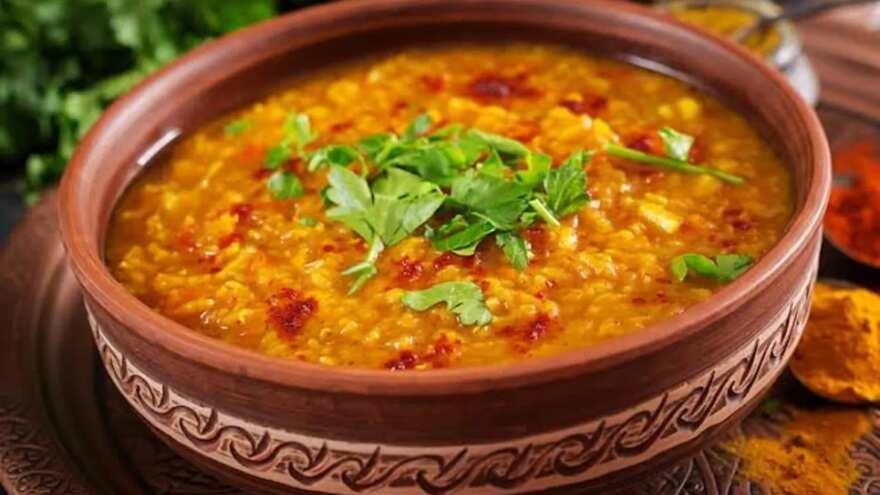
A dish often associated with Paryushan in old Gujarati kitchens was panchkuti dal, a preparation made with five different types of pulses. It was cooked simply with turmeric and cumin, without onions, garlic, or green vegetables. The use of a mix of dals ensured protein and flavour, even with very limited ingredients. Panchkuti dal was usually paired with plain rice or rotis made from non-wheat flours. Other lentil-based dishes such as adadiya also carried importance, especially for those who continued fasting during the festival. Today, such dishes are prepared less frequently, replaced by simpler one-pulse dals that are quicker to cook.
7. Magaj and Other Flour-Based Sweets
Sweets during Paryushan were often very simple, relying on roasted flours, ghee, and jaggery. Magaj, made with coarse chickpea flour, was a festival favourite. It was roasted slowly with ghee until aromatic and then sweetened with jaggery. Another sweet that was made during the season was sukhdi, which also used wheat flour and jaggery but had a firmer texture. These sweets were not only satisfying but also stored well, which suited the rules of limited cooking. In many homes today, packaged sweets or lighter fruits are chosen instead, leaving these traditional preparations less common.





