Share


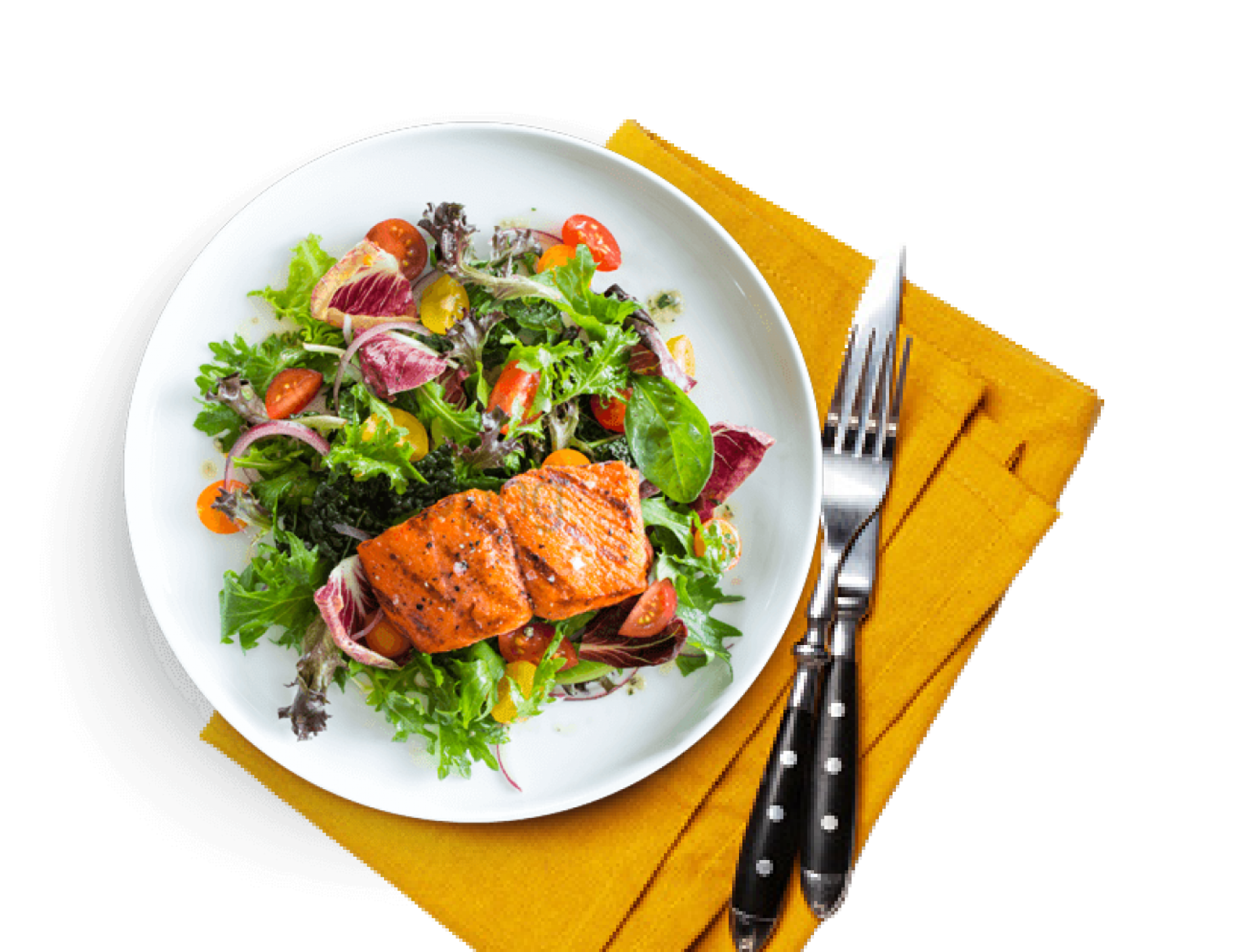
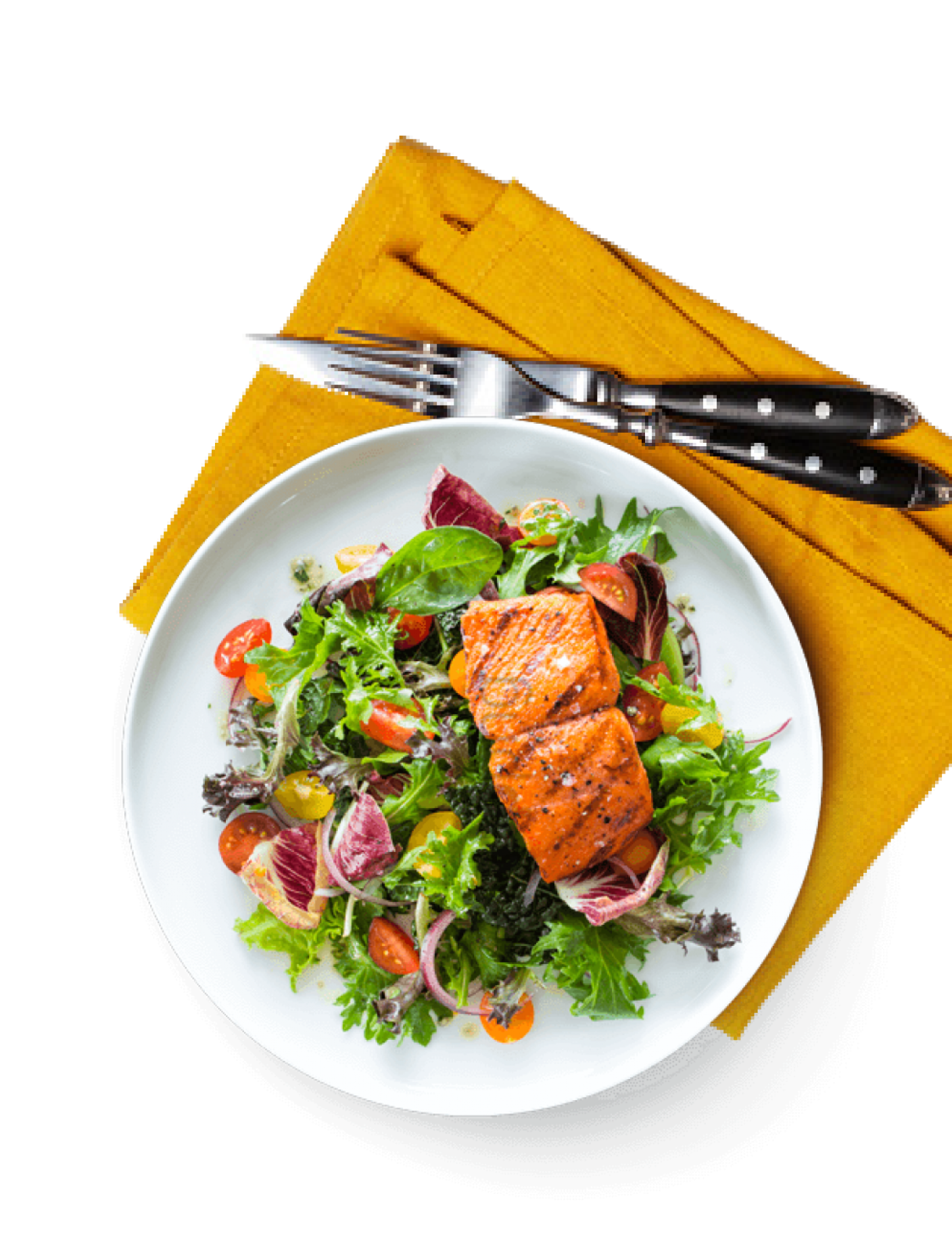
IN THE 1920s, readers of British Good Housekeeping were given a recipe for fish baked in custard. The custard was savoury. The recipe did not specify a species, leaving the cook room to use what was available.
That small vagueness sits at the centre of new research by Ruth H. Thurstan, associate professor in marine and historical ecology at the University of Exeter. Her study in People and Nature examines 1,192 fish and shellfish recipes from selected issues of the magazine published between 1923 and 2025. As she explains in The Conversation, national statistics record what is landed and traded, but the home kitchen leaves fewer traces. Recipes offer another window into it.
The early pages describe an adaptable fish culture. Sole, oysters, shrimp and salmon appear beside halibut, lobster and herring, in dishes such as kipper cream and halibut steaks in milk. In the sampled 1920s recipes, 29% suggested alternative species. Thurstan reads the use of unnamed fish as a sign that cooks were expected to adapt to an unpredictable supply.
From the 1950s, recipes increasingly assumed prepared fillets rather than whole fish, and frozen products became more common. From the 1970s onwards, five groups — cod, haddock, salmon, tuna and prawns — collectively accounted for more than 60% of species mentions. Sole, herring, oysters and lobster appeared less often. The magazine never stopped printing other fish; its attention became more concentrated.
That measure of recipe mentions is distinct from today’s consumption figure: the same five groups account for about 80% of seafood eaten in the UK.
The sea is only part of the explanation. Cod declined in British waters but stayed on the page, kept on sale by distant-water fleets and then imports. Herring and oysters declined without vanishing from markets, yet faded from the recipes. British boats still land a varied catch, much of it exported; most of the seafood eaten in the UK is imported.
The recipes have travelled — gochujang cod, miso prawn skewers — but their principal fish remain familiar. “Britain’s cooking globalised,” Thurstan writes, “but the range of fish within these pages stayed narrow.”
She is careful about what one aspirational magazine can prove. Recipes show what readers were encouraged to recognise, buy and cook, rather than recording what they actually ate. Her interpretation is that Britain’s narrow appetite was shaped by changes in supply, trade and retail, and may therefore be open to change.
Read from India, the flexible kitchen she describes has echoes in many of our fish markets.
Many markets and many fish
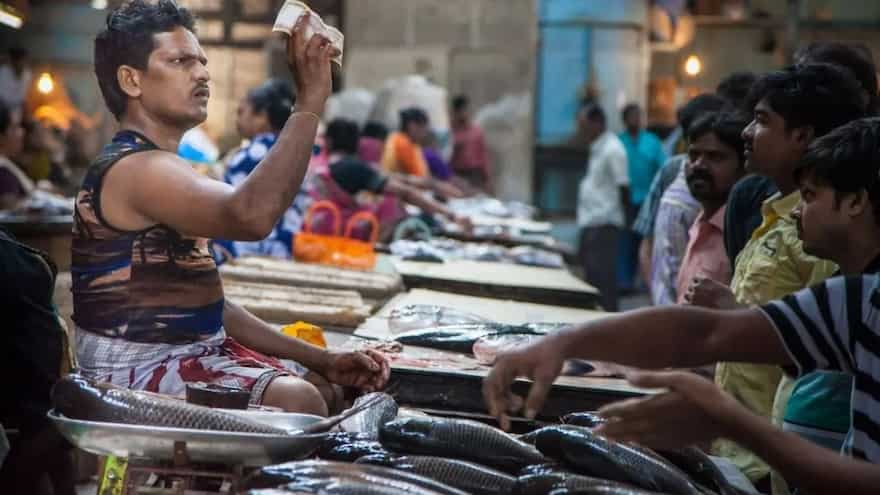
There is no single Indian fish market, and any comparison with Britain has to begin there.
In Mumbai, the catch has long passed through the hands of Koli women. They buy at the docks and auctions, then sell in local markets, to wholesalers and door to door. The Jio Institute’s Mumbai Archive Project, documenting the Kolis of Khar Danda, describes fisherwomen walking through neighbourhoods with baskets of fresh fish for households that cannot get to the market. The catch and the person selling it remain in view.
The same cities now order fish on their phones. Licious said its net revenue grew 47% to ₹1,166 crore in the year to March 2026, Inc42 reported. These are company-reported figures for a meat and seafood business. Its 30-minute delivery service reached about 55% of its online users, according to the report. The appeal is fish that arrives cleaned, cut and on time, an echo of the move towards prepared fillets in Thurstan’s British archive. Whether that convenience narrows the range customers buy is a separate question.
Does the way you buy fish relate to which fish you eat? A 2021 study in the Journal of Social and Economic Development offers an intriguing association. Amalendu Jyotishi, Joeri Scholtens and colleagues surveyed around 250 low-income households in Chennai and Bengaluru across three seasons. In coastal Chennai, consumers relied more on informal markets and had stronger species preferences. In inland Bengaluru, they made greater use of formal retail and were less particular about the type of fish. The cities differ in more than their shops, so this comparison cannot establish that formal retail causes those preferences.
Nor are the apps confined to the largest cities. In a 2022 account of its business, FreshToHome said it served more than 190 cities, including eight overseas, with Jaipur and Vijayawada leading its tier-II markets. That was a snapshot of the platform’s reach, rather than a map of how all Indian households bought fish.
Beyond these platforms are the river, the pond, the paddy field and the local market. A 2024 review in Agricultural Reviews, drawing on earlier literature, cites 765 native freshwater fish species in India, about 450 of them small indigenous fish. These are figures reported by that review, rather than a fresh national inventory.
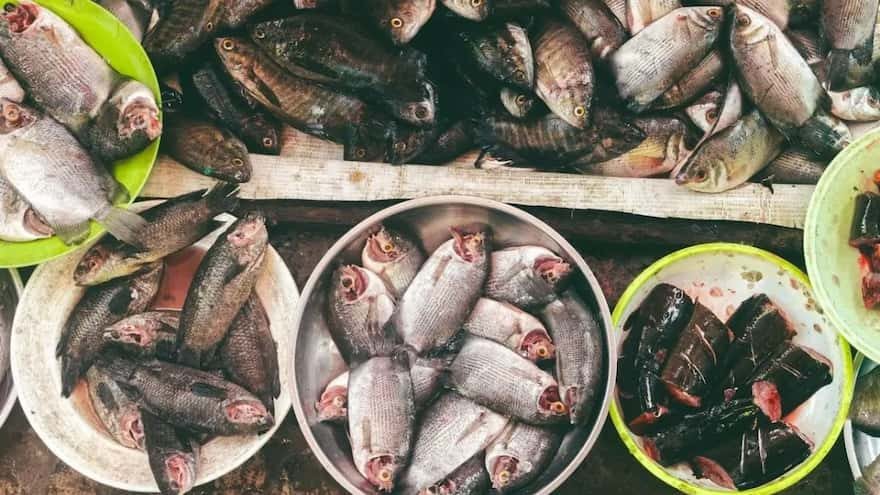
Mola, the tiny carplet eaten whole in eastern and north-eastern India, is one of these fish. WorldFish describes small indigenous species as sources of iron, calcium, omega-3 fatty acids and vitamins. Local habits resist simple generalisation: a small study in Kawardha, Chhattisgarh, involving 100 households, found greater fish consumption in its rural sample than its urban one, with rohu preferred in both.
Small fish face other pressures
Small indigenous fish face pressures of their own. Pond aquaculture in India is dominated by a few carp species, as researchers writing in Frontiers in Sustainable Food Systems point out. The Agricultural Reviews paper describes how small native fish may be treated as “weed fish” and removed from culture systems. WorldFish’s 2024 account links the growth of large-scale aquaculture with the disappearance of small fish from family diets.
Some researchers and farmers are putting them back. WorldFish describes hatchery work with mola and other small species, while an Odisha study of homestead carp ponds found that hatchery-produced mola contributed an average of 9% of total fish production in the ponds studied. Aquaculture can make room for smaller species as well as larger commercial fish.
The sea tells its own story. India’s marine landings in 2025 came to 35.7 lakh tonnes, according to the ICAR-Central Marine Fisheries Research Institute. Indian mackerel led at about 2.70 lakh tonnes, followed by cephalopods — squid, cuttlefish and octopus — and oil sardine. In CMFRI’s resource-wise estimates, threadfin breams and ribbonfish each exceeded 2.3 lakh tonnes, Bombay duck came to about 96,000, and the three pomfret categories together totalled roughly 53,000 tonnes.
A regional survey puts some names to what people want. A 2021 study of 1,440 fish-consuming households in coastal and inland Andhra Pradesh, by CMFRI’s Shyam S. Salim and colleagues, found seer fish — known as surmai in western India — most favoured, followed by pomfret and shrimp. Respondents complained that fresh and preferred fish were not always available, prices were high and volatile, and supply was unpredictable.
The Andhra survey predates the national landing figures and covers a different population. It cannot stand in for India’s appetite or be set against those tonnages as a direct supply-and-demand comparison. It does show that availability, preference and affordability can pull a household’s fish shopping in different directions.
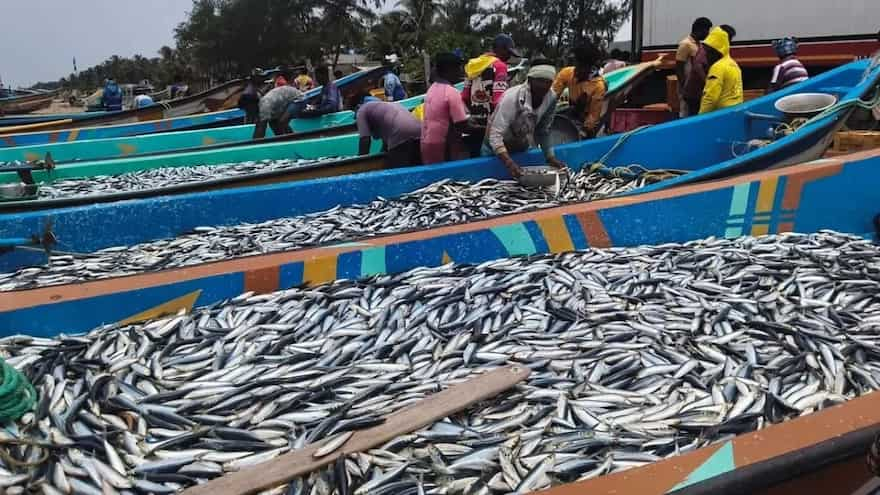
What came in today
Trade adds another layer between the fish and the kitchen. In 2025–26, India exported 19.72 lakh tonnes of seafood worth ₹73,890.46 crore, an all-time high by volume and value, according to the Marine Products Export Development Authority. Frozen shrimp accounted for 66.52% of seafood export earnings in US dollars. These exports include farmed seafood as well as wild catch; they describe a different flow from marine landings or domestic meals.
Then there is the imported fillet. More than a decade ago, IntraFish reporting republished by VASEP described Vietnamese tra, marketed in India as basa, becoming popular with hotel and restaurant kitchens, particularly in Mumbai. Suppliers emphasised its price, year-round availability and deboned format. VASEP’s page is dated 2014, and the claims belong to that period. But the menu description “boneless fish” still leaves a useful question unanswered: which fish?
Thurstan’s prescription for Britain is to recover some flexibility, cooking with a wider range of locally available, responsibly sourced seafood. Indian markets and kitchens hold examples of that flexibility, as well as pressures that can limit it. A smaller fish may be pushed out of a pond; a household may want a species it cannot reliably afford; a restaurant may choose a fillet that arrives in a predictable form.
None of this establishes that India is following Britain down the same path. The evidence assembled here does not provide a comparable century-long Indian recipe record or a national time series of the number of species households eat. App revenue, regional preferences, exports and landings each illuminate a part of the story.
The old magazine’s unnamed fish leaves us with a useful thought. A recipe can begin with what has arrived at the counter, leaving the cook to adapt. Before deciding what to make, there is still a question worth asking the person selling the fish: what came in today?
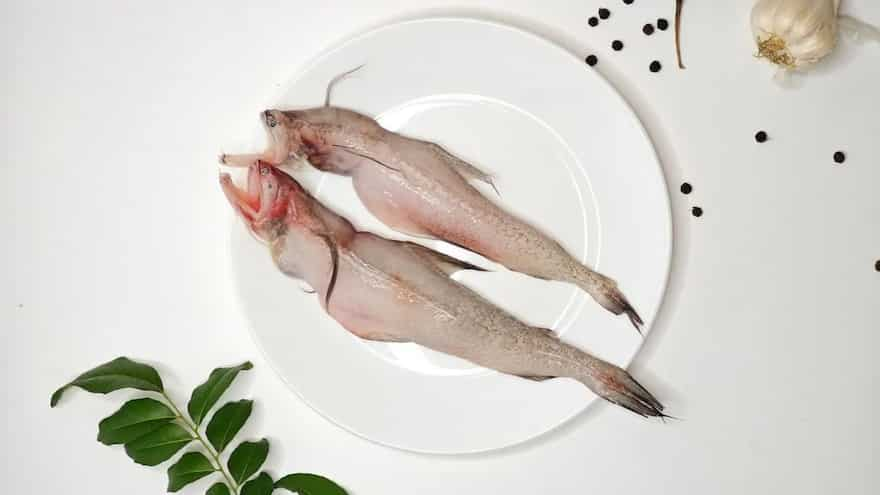
The fish that went west
Bombay duck. Bombil, Harpadon nehereus, is no duck, and the origin of its English name remains uncertain. Dried, it became a fixture of British curry houses before European food-hygiene requirements interrupted the trade in 1997. CooksInfo’s account dates conditional permission to 1998: sun-dried fish could be imported if packed at an approved establishment. A 1999 parliamentary answer confirms that approved establishments remained a requirement. Permission did not mean an immediate return to British tables; CooksInfo dates UK importers’ resumption to December 2000, after they secured suitable packing arrangements.
Kedgeree. Britain’s fish-and-rice breakfast takes its name and inspiration from khichdi, although the precise sequence of its transformation is difficult to establish. Food writer Mallika Basu traces an early recipe to Stephana Malcolm’s Scottish household book, begun in 1790. By 1861, Mrs Beeton’s Book of Household Management included “kegeree”. Her recipe 269 called for any cold fish, boiled rice, butter, mustard and soft-boiled eggs. Smoked haddock was not a requirement. The old flexibility turns up again.
The two stories meet in Gujarat. Outlook Traveller describes the Parsi Bharuchi vaghareli khichdi made with marinated, fried Bombay duck: khichdi and bombil on one plate, neither having needed to travel west.