


 Share
Share

When the monsoon turns the hills of Northeast India misty and green, a seasonal treasure starts to be seen in local markets: fiddlehead ferns, the tightly curled young shoots of edible varieties of fern. Known by various names across the region, such as dhekia xaak in Assam, for example, these soft fronds are eaten while they are still young and tightly coiled. Their season arrives for a short span, which is what makes them so special.
They have a crisp, slightly chewy texture and a taste that feels earthy, green and lightly bitter. Edible ferns like these grow naturally in the damp environments of Northeast India, like on forest edges, riverbanks and other wet areas. Rather than considering them as an exotic component, many local kitchens just cook them as part of everyday seasonal meals.
Why Are Fiddlehead Ferns So Loved In Meghalaya?
In Meghalaya, the love for edible greens comes from a much larger food custom. The state's culinary legacy has long been shaped by its biodiversity, with residents harvesting seasonal wild herbs, edible ferns, bamboo shoots, mushrooms and roots from their surroundings.
Fiddlehead ferns fit perfectly into this way of eating. They arrive when the landscape is at its peak of lush greenery and offer a fresh vegetable choice during a season when local produce is in surplus. Their charm is also in their texture: unlike very soft leafy greens, soft fiddleheads maintain a pleasant bite after they are cooked. Here are some ways in which they are cooked and enjoyed across northeastern India:
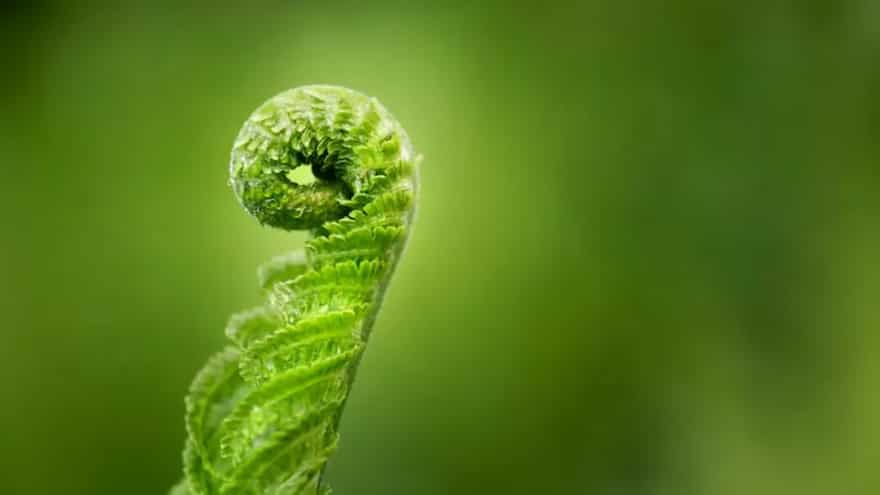
(Image credit: Freepik)
Simply Stir-Fried With Garlic And Chilli
Sometimes the best way to enjoy a seasonal ingredient is to keep it simple. Soft fiddlehead ferns are first cleaned, briefly blanched and then stir-fried with a little mustard oil, garlic, green chilli and a pinch of salt. Mustard oil is generally used in many Northeast preparations, giving the fern a warm, pungent bite that works perfectly with the earthy taste.
The young shoots remain a bit crunchy rather than turning completely soft. This makes the dish an easy add-on to the plate of steamed rice and dal. In Assam, a simple preparation called dhekia xaak is a familiar way of relishing the seasonal green.
Cooked With Fish For A Hearty Monsoon Meal
Fiddlehead fern does not have to be the side dish. Across Northeast Indian kitchens, it is also cooked with fish and some other proteins, where its earthy taste gives the dish another layer without contending with the main ingredient. In Naga-style preparation, for instance, pairs dhekia with river fish, bamboo shoots, tomato, garlic and green chilli.
The fern is cooked in the same pan so that it soaks up the savoury juices from the fish, while maintaining some of its texture. Served with hot rice, this is the sort of meal that feels especially suited to the rainy afternoon.
Given A Tangy Twist With Raw Mango
The slightly bitter taste of fern green flavour also works particularly well with sharp and sour flavours. A traditional dhekia xaak is cooked with green mango, onions, green chillies, mustard oil and turmeric. The young fern is first washed, trimmed and then sautéed before the mango is added, making a dish where the tartness cuts through the earthy taste of the vegetable.
This is a useful reminder that Northeast cooking does not always depend on a long list of spices to make a flavourful dish. Sometimes, the blend of a seasonal green, mustard oil and something sour is just enough to make a special plate.
Added To Bamboo Shoot And Fish Preparations
In Naga kitchens, fiddlehead fern can complete another unmistakably monsoon-and-hill element: bamboo shoot. The two bring very distinct textures and flavours to the same pot. The fern is green and a bit crunchy, whereas bamboo shoot adds an unusual sour, fermented note.
One traditional-style preparation blends dhekia with river fish, cooked bamboo shoot, tomato, mustard seeds, garlic, chilli and turmeric. The outcome is not a creamy curry but a light, delectable preparation that is paired with rice.
Preserved As Pickle For The Off-Season
The fiddlehead season is fleeting, so preserving some of the harvest is another way to maintain its taste around. In Himalayan kitchens, connected fiddlehead varieties like lingdu or lingad are first blanched and then turned into pickles, whereas other parts of Northeast India also maintain seasonal ferns.
Pickling also changes the fresh vegetable to something sharp, saltier and deeper, making it a small add-on rather than just the main dish. This tradition reflects a valuable wisdom found across mountain and forest cuisines: when a special ingredient appears only for a short time frame, preserve some of it before the season vanishes.




