


 Share
Share

Fermented spices are important in the cuisine and culture of Nagaland. Not only do these ingredients have extended “shelf life”, but they also improve the flavour and aroma of traditional Naga dishes. Fermented items like Anishi or Nüoshi, Akhuni or Axone, Bambooshoot and fermented fish are some of the most common ingredients used by most of the Nagas in every household.
Ethnic fermented foods are important components of the dietary culture of the indigenous people of Nagaland. These ingredients are deeply rooted in the traditional Naga cuisine. Beyond taste, these practices show the region’s strong traditions, creativity, and sustainable methods of preserving food in a difficult environment. They are essential to Naga identity and culinary heritage.
Here are some of the fermented ingredients used by Nagas.
Anishi or Nüoshi
The word nüoshi means fermented yam leaves. ‘Nuo’ means yam leaves, and ‘shi’ means fermented. This is a traditional recipe of the Ao Naga tribe of Nagaland. It is made out of colocasia leaves. The fresh, matured colocasia leaves are staked together and kept in a basket covered until the leaves turn yellow. The leaves are then pounded till they form a paste. The paste is then wrapped in banana leaves and left to heat in a low fire for a couple of hours till it is cooked. After the paste is cooked, small cakes like patties are made out of it. The cakes are then smoked dried over the fireplace or sun dried till they turn into a hard and dark chocolate coloured form.
Akhuni or Axone
Akhuni, which is also known as Axone, is a fermented soybean dish that is widely used in Naga cuisine in Nagaland. Akhuni is deeply rooted in Naga culture, with the Sumi tribe (also known as Sema) often credited with its best preparation. It’s a testament to the Naga’s resourceful use of local ingredients and traditional food preservation techniques. Akhuni is made by boiling soybeans till they are tender but still firm enough to hold their shape. Then, they are drained and wrapped in banana leaves and left to ferment for 3-7 days over a fireplace. This results in a paste-like consistency with a pungent aroma and a strong umami flavour. This akhuni is being used in several dishes to enhance the flavour of the dishes as well as in pickles. This ingredient is quite popular in the northeast regions of India.
Fermented Bambooshoot
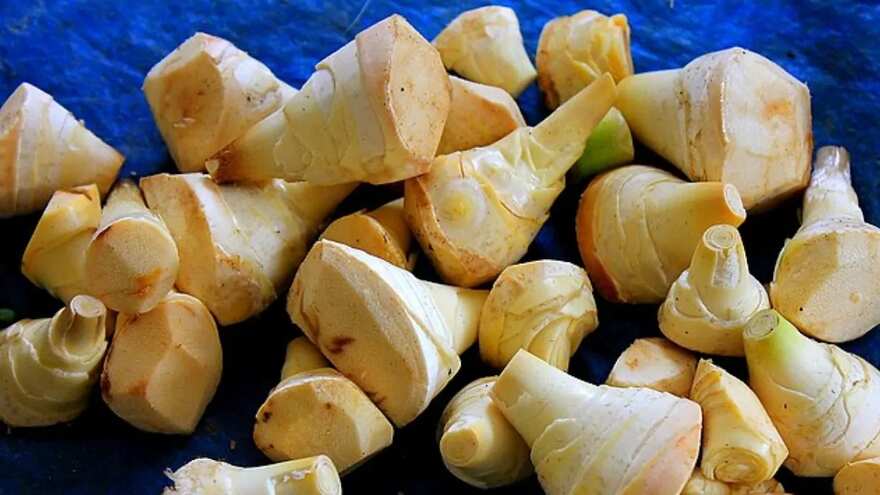
Bamboo shoot is an important ingredient in almost the whole of the North Eastern part of India. From the local setting, bamboo shoot is treated by naturally fermenting sliced or grated bamboo shoots, mostly in an air-tight container, which is utilised at any time of the year in dishes such as stews, chutneys and preparations of meat. It isn’t just an ingredient but also a cultural signature of the indigenous food heritage of Nagaland.
Fermented Fish
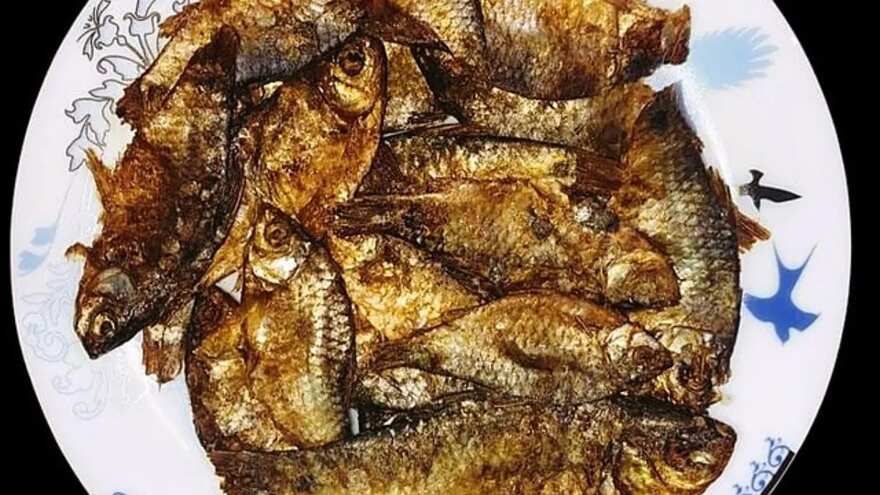
Fermentation of fish is used in Nagaland as a core flavouring component for umami and authenticity in a number of traditional preparations. It is often used in small quantities to enhance overall taste. Not only is this ingredient indicative of the native preservation processes of the region, it also reflects the strong relationship the Naga people have with natural and foraged or locally sourced ingredients. Though newcomers may find it pungent, fermented fish is a beloved Naga culinary tradition handed down through the generations.




