


 Share
Share

The mercury is soaring high these days, and while most conversations concentrate on dehydration, heatwaves or the power cuts, kitchen safety often gets overlooked. LPG cylinders, particularly in small apartments with inadequate ventilation, need extra care during severe heat. Contrary to the common myths, cylinders do not randomly burst, just because of heat, but due to high temperatures, which can increase the internal pressure, worsen the already existing leaks and make the unsafe storage practices far more risky.
Every summer, reports appear of kitchen fires that are linked to gas leaks, faulty regulators or cylinders that are kept too close to direct sunlight and the heat sources. What makes the summer season particularly risky is that heat accelerates pressure build-up while many households also keep the windows shut to avoid the hot air in, which further reduces the ventilation.
The crucial thing to understand is that most LPG-related accidents can be easily prevented. Small habits, like where the cylinder is kept, how the regulator is checked or whether ventilation is maintained properly, make a huge difference. Mentioned below are some of the points to keep in mind to prevent any mishap in the extreme heat.
Don’t Store Cylinders Near Hot Cooking Zones
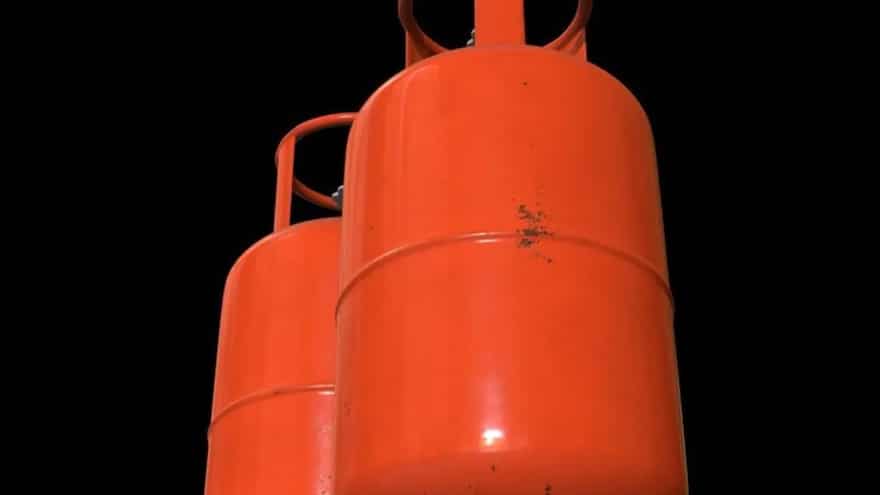
In many kitchens, the LPG cylinder is placed right beside the gas stove, which releases constant steam and heat. During long cooking sessions, particularly while frying pooris, making tadkas or making large meals, the kitchen temperature increases sharply. Continuous heat exposure around the cylinder area can strain the rubber pipes and regulators over time. In smaller kitchens, people also put grocery bags, atta containers or oil cans just beside the cylinder, making the cooking area feel even more cramped and hazardous.
What To Do Instead
Keep some breathing space around the cylinder. Even shifting oil jars, spice baskets or grocery storage a bit away helps in reducing trapped heat around the gas contact area.
(Image credit: Freepik)
Don’t Ignore Small Gas Smells While Cooking
Sometimes, during the busy cooking hours, particularly while making multiple dishes together, people notice a light gas smell and assume it is coming from the stove being used constantly. This becomes even more risky during summer because the enclosed kitchens already feel hot, making gas build-up more difficult to notice too soon. Many accidents occur not because of massive leaks, but because someone continued cooking, even though there was a minor smell near the burner or regulator.
What To Do Instead
Pause cooking instantly if the smell feels unusual. Switch off the regulator first, then check the stove and pipe thoroughly before resuming. It is safer to bear ten minutes than risk an avoidable kitchen fire.
Don’t Leave Frying Oil Too Close To Open Flame
Kitchens often have deep-fried snacks, papads or evening appetisers, particularly during gatherings or family dinners. Many people unknowingly place the oil bottles, tissue paper or masala packets near the busy burners for convenience while cooking. During long frying, the surrounding counter gets heated up faster than anticipated, increasing fire risk.
What To Do Instead
Keep only the ingredients you presently need near the stove. Extra oil bottles, dry masalas and paper tissues should stay away from direct cooking.
Don’t Keep LPG Cylinders In Direct Sunlight
One of the biggest blunders people make during summer is keeping cylinders near balconies, outdoor walls or areas that are exposed to direct sun. Constant heat exposure can raise pressure inside the cylinder unnecessarily and also weaken the rubber pipes over time. In many homes, cylinders are moved temporarily during cleaning or renovation and accidentally left in the exposed corners.
What To Do Instead
Always keep the cylinder in a cool, shady and properly ventilated space. Even simple changes like avoiding sun-facing storage areas can decrease unnecessary heat exposure.
(Image credit: Freepik)
Don’t Seal The Kitchen Completely While Cooking Heavy Meals
During heatwaves, many homes tend to shut kitchen doors and windows tightly to prevent the hot air outside. But while cooking large meals, like boiling gravies, frying snacks or making multiple dishes together, both heat and gas concentration get increased rapidly indoors. A closed kitchen quickly becomes discomfiting and unsafe, particularly in apartments that have limited ventilation.
What To Do Instead
Even a bit of airflow makes a perceptible difference during cooking. Keep exhaust fans running, crack open a window or let cross ventilation so heat, steam and cooking fumes do not stay trapped inside the kitchen.




