


 Share
Share

Throughout history, the art of cooking has carried a cultural legacy, following the preferences, methods, and creativity of earlier generations. As eras change, numerous conventional recipes and methods either vanish or evolve to align with modern preferences. Nonetheless, certain age-old culinary customs have endured, maintaining their significance and continuing to be celebrated as emblems of national identity and cultural pride.
In this age, many older traditions are fading as new and modern cooking techniques are introduced due to industrialisation. As the population is rising every day, making the process of cooking convenient is a necessity. Due to the rise of industrialisation, people are switching to conventional cooking technology, the ancient, time-honoured traditions are gradually fading away.
Despite industrialisation and modernisation, in many regions of the world, the people who pride themselves on their traditions keep the ancient cooking traditions alive for generations. This article features the five oldest cooking traditions still being utilised in several regions of the world.
1. Ayurvedic Cooking (India)
Based on the ancient Indian system of medicine, Ayurveda emphasises a holistic approach to cooking and diet. To maintain harmony in the body, each food revolves around six balances – sweet, sour, salty, bitter, pungent, and astringent. The balanced utilisation of herbs and spices in the cooking methods is used by adjusting to an individual's health and body types. The codes in ingredients are lined with Ayurvedic principles, promoting health and well-being.
This tradition is being accepted throughout the world, not only by the influence of Indian food but also by inspiring health-conscious culinary practices worldwide. Several Ayurvedic practices can still be found in Hindu festivities and rituals. Many people observe the sattvic diet on special occasions and during fasting. Like the sattvic diet, cured cuisines are a formal version of it, recommended to those who want to adopt an ayurvedic lifestyle.
2. Japanese Washoku
Originating from “The Land Of Rising Sun” Washoku is a traditional Japanese food practice that uses flavours textures and colours. The tradition preaches how even a boring meal can be presented aesthetically. This tradition has been carried out for several generations and is still seen in their iconic dishes like sushi, ramen, tempura, and bento boxes. The deliberate use of all the ingredients and their natural colours in a meticulous preparation appreciates the natural flavours of the dish to its fullest.
The Japanese dishes have gained global recognition because of their revered use of the Washoku tradition. Washoku’s popularity has earned it recognition among the UNESCO Intangible Cultural Heritage, underscoring its importance.
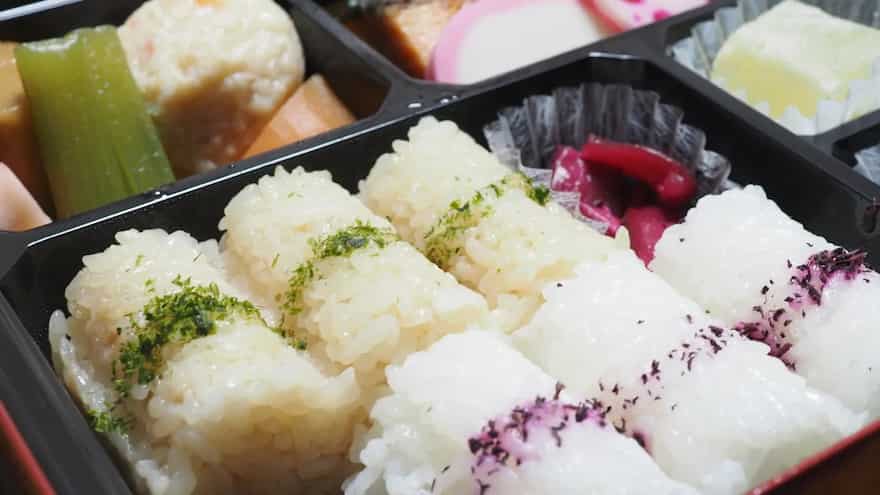
Image Credit: Pixabay
3. Mesoamerican Three Sisters (Central America)
With its roots tracing back to the ancient civilisations of Aztecs and Mayans, the “Three Sisters” tradition is observed to pay respect to the agricultural harvest. In this, the use of three staple crops of the region — squash, maize, and climbing beans or the Three Sisters form the basis of many dishes in Central America. The agricultural practice of interplanting corn, beans, and squash plants represents a symbiotic relationship between these plants. The corn plant serves as the backbone for this interplant, the rich proteins of beans complement the nutritional profile, and squash acts as a ground cover with its wide leaves.
These crops are an integral part of many traditional American dishes. Corns are used to make tortillas, tamales, and various corn-based dishes. The beans are used in making stews, and soups, and as a filling for tortillas. And squash is also used in stews, and soups alongside bean dishes and corn. These tree crops are the most celebrated in American cuisine.
4. Chinese Traditional Medicine Cooking
Chinese Medicinal Cuisine, also known as Food Therapy or 食疗 (shíliáo), is a unique ancient practice within traditional Chinese medicine. This practice dates back to ancient times, described in texts like the Huangdi Neijing, which explained how different foods affect the body and how to stay healthy or cure illness. The key idea is balancing the body's energy (Qi) and fluids. Each season has specific foods that help maintain this balance.
In Chinese cuisine, the combination of food and spices is deeply rooted in traditional cooking. The concepts of balancing yin and yang and using food as a means of healing refer to food preparation. They use ingredients like ginger, goji berries, and ginseng for their claimed health benefits. Techniques such as slow simmering and precise stirring of soup demonstrate the importance of this tradition in promoting well-being through healthy dishes.
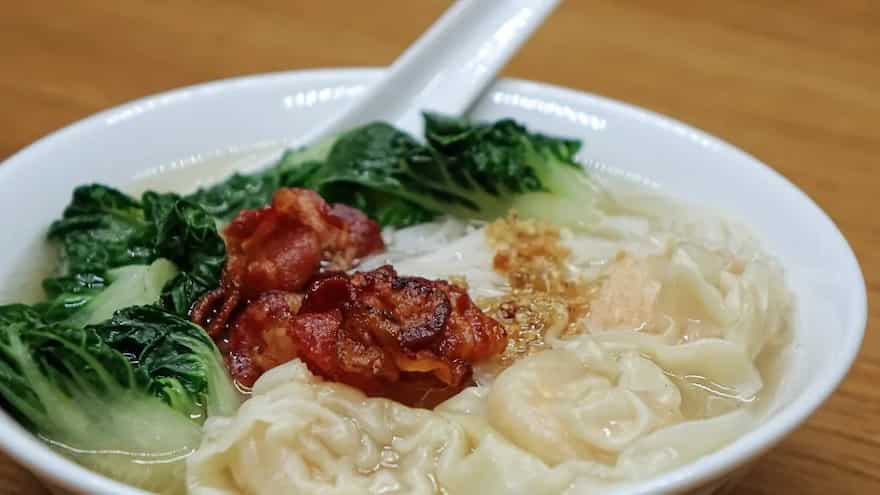
Image Credit: Pixabay
5. Indigenous Australian Bush Tucker
Bush tucker, also known as bush food, refers to the food tradition of consuming any food native to Australia that has been historically consumed by Indigenous Australians, specifically the Aboriginal and Torres Strait Islander peoples. This tradition has been practised for over 60,000 years and has kept Aboriginal communities going for thousands of years.
They use local ingredients like kangaroo, emu, bush tomatoes, and wattleseed, showing their connection to the land. They cook using old methods like baking in earth ovens (called "ground ovens") and using smoke to flavour their food. These foods have held cultural significance for Indigenous Australians for thousands of years and were traditionally harvested, prepared, and utilised in various traditional dishes or as part of their diet. These ways of cooking have stayed strong over time, showing how important they are to their culture and how tough these traditions are.
These lasting cooking traditions aren't just about recipes and methods. They're like treasure chests, holding history, who people are, and what they've learned over many years. They show a strong link between food, culture, and nature, making the modern generations understand and enjoy the variety in food history worldwide.




