


 Share
Share

Wine represents one of humanity’s oldest and most culturally significant beverages, embodying a unique intersection of agriculture, artistry, geography and time. It reflects the environment in which its grapes are grown in a concept known as terroir, that encompasses soil composition, climate patterns, altitude and sometimes local traditions. Wine-making itself is a blend of science and intuition—yeast transforms grape sugars into alcohol, while decisions about barrel aging, skin contact and blending shape the final character of the wine. Small adjustments, such as harvesting grapes a few days earlier or fermenting at slightly lower temperatures, can influence acidity, aroma and texture.
What Are Tasting Notes?
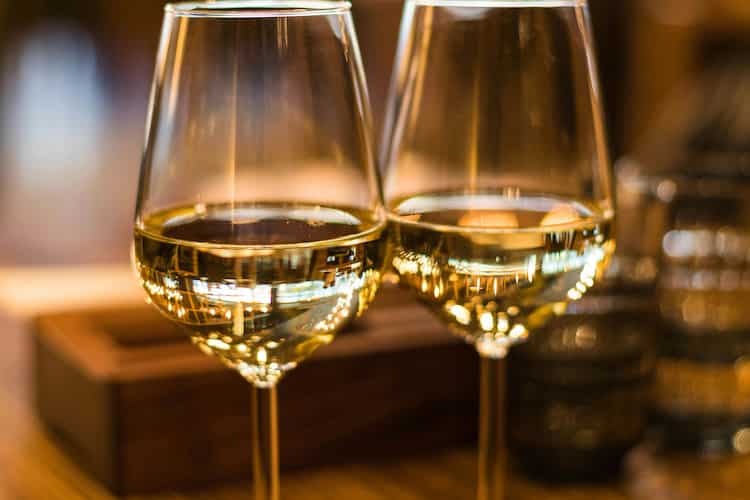
Image Credits: Pexels
Descriptive observations that capture the sensory experience of drinking a particular wine, tasting notes offer insight into its aromas, flavours, structure and character. These help casual drinkers and seasoned connoisseurs articulate what they perceive in a variety, creating a shared language to enhance understanding and comparison. Emphasis is placed on aroma, known as the ‘nose,’ which involves swirling the wine to release volatile compounds and identifying scents ranging from fruit and floral notes to herbal, earthy, spicy or oak-driven characteristics.
Flavour descriptions form another essential component of tasting notes since they do not always mirror the aromas precisely; a wine may smell of cherries but taste more like plums or spices once on the palate. Tasters evaluate the wine’s sweetness, acidity, tannin levels and alcohol content. Mouthfeel considerations also include body—light, medium or full—and the presence of smoothness, creaminess or astringency. It addresses the finish to describe how long the flavour lingers once swallowed or spit out. Thus, tasting notes serve as a practical tool, helping consumers choose confidently and enable professionals to evaluate quality.
Also Read:
Why Tasting Notes Matter?
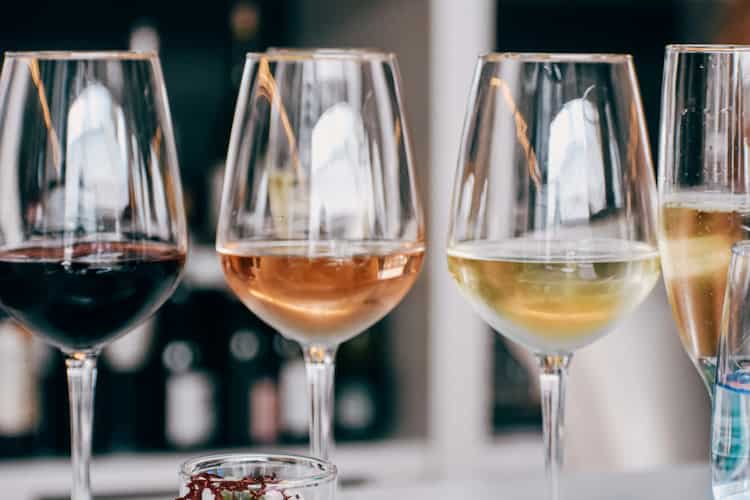
Tasting notes provide a structured, accessible way to capture and communicate the sensory experience of drinking a wine—one that is otherwise subjective and fleeting. As one of the most complex beverages in the world containing hundreds of aromatic compounds that express themselves differently depending on the grape variety, region, style of making, age and even serving conditions, tasting notes translate the complexity into clear language, allowing drinkers to describe what they perceive and understand. Comparing wines, identifying preferences or recognizing quality would be far more difficult, especially for those new to wine.
Sommeliers and wine makers rely on tasting notes to create records that document a wine’s evolution over time; particularly important for age-worthy wines that change as they mature; notes help track how aromas, flavours and tannins develop in the bottle. Because wine is produced in numerous countries and styles, a shared vocabulary allows enthusiasts, buyers and sellers to discuss it accurately even if they might have never tasted the same bottle. This supports informed purchasing decisions: consumers can choose wines that match their preferences, and retailers can recommend bottles that suit specific tastes or occasions. By encouraging drinkers to slow down, notes enrich the sensory experience and make wine drinking more engaging helping—reveal nuances that might otherwise go unnoticed.




