Share
Share

With the increasing craze for online grocery orders that reach the doorstep within minutes, checking the date on a packet can feel like a very small step that can be skipped very easily. However, amid recent raids and inspections at grocery warehouses and quick-commerce stores, food labels deserve a closer look than usual.
Customers often think that manufacturing date, best before and expiry date are just different ways of communicating when a product should be used.
In fact, each date tells you something different about the product, right from when it was made to how long it is anticipated to maintain its quality or stay safe to consume. Knowing the difference is particularly useful when ordering online, where you cannot pick up a packet itself and inspect every detail.
Manufacturing Date: When Was The Product Made?
The manufacturing date reveals when the foodstuff was made. Depending on the type of product, you may also see a packing date, which indicates when it was packed rather than just made. Neither date, by itself, tells you that the food is still appropriate to eat. When shopping, look for labels like “MFD”, “Manufactured On” or “Packed On” and then look for the shelf-life or best-before details available elsewhere on the pack.
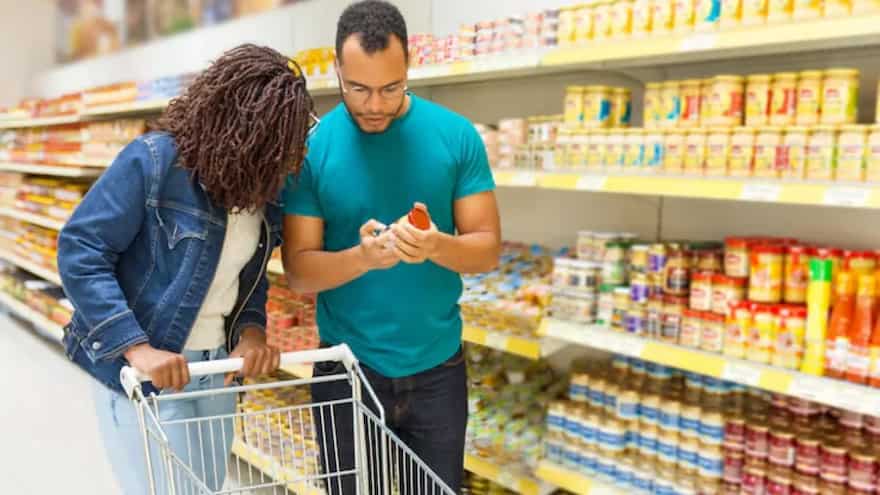
This is especially useful when you are buying two identical products: a newer manufacturing date generally indicates the product has been stored for less time. While ordering online, look for the date on the packet when it arrives rather than depending only on the product listing.
(Image credit: Freepik)
Best Before: About The Food’s Quality
“Best Before” is especially about the period during which the manufacturer predicts the food to maintain its planned quality, such as its taste, texture, fragrance or freshness, when stored as guided. It should hence not automatically be considered the same thing as the expiry date.
For buyers, the crucial point is to read the entire label instead of presuming that every date has the same purpose. Check whether the product also has storage instructions like “Store in a cool, dry place” or “Refrigerate after opening.”
A package that has been inadequately stored may not stay in the condition expected by the manufacturer. For packaged edibles, also look for damaged, swollen, leaking or tampered packaging before buying or consuming them.
Expiry Date: The Date You Should Not Ignore
An expiry or “Use By” date is different from a best-before date and is especially important for foods where safety can deteriorate over time. Once the product has crossed its expected expiry or use-by date, it should not be consumed just because it appears or smells normal. While purchasing groceries, check the expiry date before putting the product into your cart, particularly for milk products, ready-to-eat meals and other items that are easily perishable.
Online shoppers should also review the packet as soon as the delivery comes. If the product is already expired, has an unusually short shelf life, or comes with damaged packaging, contact the platform or seller rather than using it. A fresh-looking packet is not just a replacement for a valid date.
(Image credit: Freepik)
What Should You Check Before Ordering Groceries Online?
A quick date check can prevent an unnecessary food-safety headache. Before placing an order, look for the manufacturing or packing date, best-before/expiry details and storage instructions in the product details where available. Once the order arrives, thoroughly check the physical packaging because the information displayed online may not always show every label detail.
Most importantly, don't consider “best before” and “expiry” as similar terms. One mainly affects expected quality, whereas the other can signify the end of the time in which the food should be consumed. With food-safety management increasing inspections, knowing these small details is one simple practice you can adopt yourself.