Share
Share

Protein powders have quietly moved from gym shelves into everyday kitchens. From the college students to the working professionals, more people are going for quick protein fixes, often without knowing what’s actually inside the scoop. But a recent crackdown in Delhi’s Najafgarh has raised serious problems about what consumers might unknowingly be purchasing.
Officials from the Food Safety and Standards Authority of India (FSSAI) Northern Regional Office, along with Central Food Safety Officers and Delhi Police, busted an illegal distribution hub that dealt in banned performance-enhancing drugs and expired supplements. Around 45 kg of expired gainers and whey protein were seized, whereas 85 kg of protein and creatine products were being kept under scrutiny. The raid also found 2,800 capsules, 11 injectable units, and 1,500 SARMs capsules, which pointed to a larger issue of unregulated products entering the market.
This highlights a growing concern. Unlike whole foods, protein powders are processed and can incorporate fillers, additives, or even unsafe components.
How To Check For Adulteration In Protein Powder
While labels look similar, and claims sound compelling, it becomes a bit challenging to tell what is safe to eat. That is why knowing how to identify adulteration is no longer just optional, but it is important.
Read Beyond Just The Front Label
Most people just stop when they read “high protein” or “100% whey,” but the real story is on the back. Apart from just this, look at the ingredient list. If you see long, complicated names, added sugars, artificial sweeteners, or just the “proprietary blends,” it’s a sign the product is not as pure as it claims to be. A good protein powder is usually simple, i.e. having a clear protein source and minimal additives. If the label feels confusing, that is often intentional. Transparency in ingredients is one of the first signs of purity.
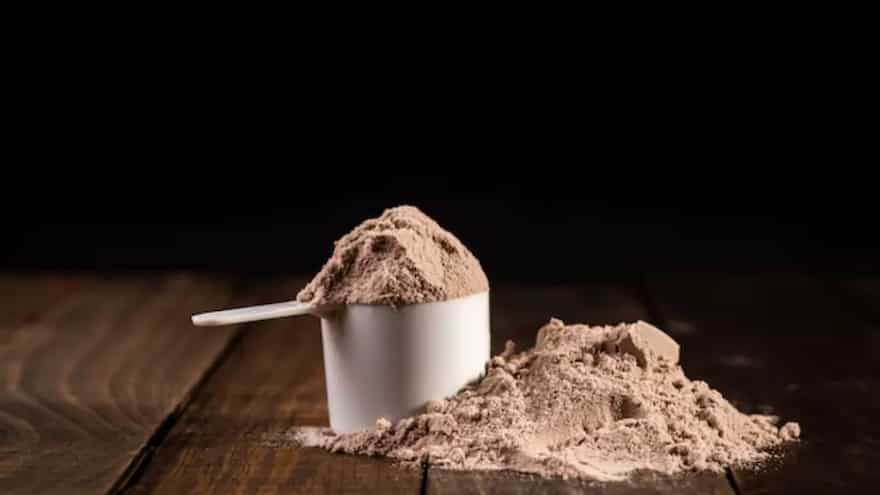
(Image credit: Freepik)
Check Texture, Smell And Taste Carefully
Adulterated powders often feel a bit off if you pay attention to them closely. Pure protein powders have a uniform, fine texture. If you notice clumps, unusual stickiness, or a chalky residue, it could show moisture exposure or poor storage. Smell matters as well; fresh protein has a light, neutral fragrance. A sharp, chemical-like, or overly sweet smell can indicate artificial add-ons or spoilage. Taste is another hint; if it feels too sweet or artificial, it is likely loaded with excessive ingredients.
Watch How It Mixes In Water
This is one of the easiest at-home checks. Pure whey protein naturally dissolves smoothly without leaving too much residue. If your powder forms excessive bubbles, lumps, or just settles heavily at the bottom, it may have fillers such as starch or low-quality protein mixtures. The consistency should feel balanced, not too watery, not too thick, without reason. A strange texture after mixing often shows to added substances that do not belong in a clean protein product.
Look At Expiry, Storage And Packaging Details
This may sound basic, but it’s often ignored. Always check the manufacturing and expiry dates carefully, particularly when buying from smaller sellers or online marketplaces. Damaged packaging, faded labels, or missing batch numbers are the red flags. Also, witness how the product is kept. Protein powders are exposed to moisture and heat; improper storage can spoil the quality even before it expires. If something feels off about the packaging, it is better not to take the risk and just dodge it.
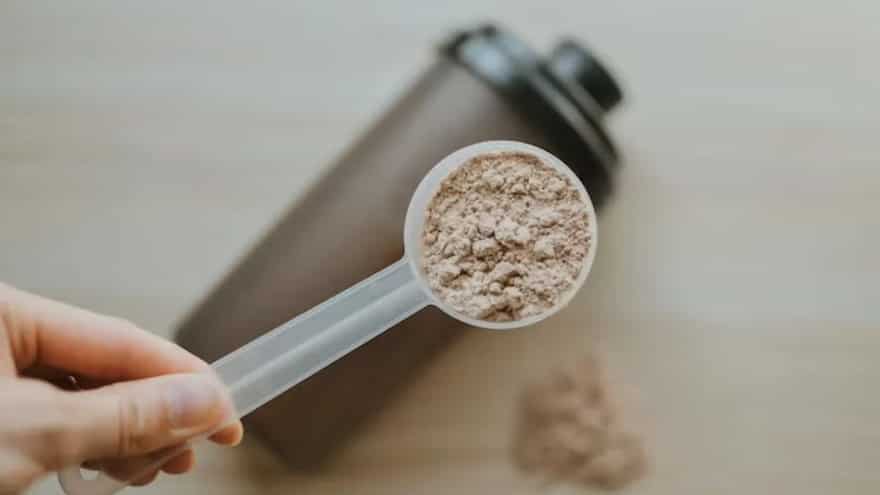
(Image credit: Freepik)
Verify Certification And Source
Trusted products usually have certifications or licenses that show they meet safety standards. In India, look for FSSAI licensing details and also batch details. Avoid products that do not clearly mention their source, whether it is whey, plant-based, or blended protein. Authentic brands are upfront about where their protein comes from. If a product hides this or uses unclear terms, it’s a sign you should be careful.