


 Share
Share

When you walk into a sweet shop during the rainy days, you’ll always spot a tray full of ghewar, coated with silver vark. But have you ever wondered why it doesn’t appear in any other season of the year? Well, that’s what you’ll explore in this guide. This disc-shaped dessert, known for its honeycomb-like texture, is closely tied to the monsoon season. From the role of weather in its preparation to the Ayurvedic benefits that its ingredients provide, there are solid reasons behind this timing. In this simple guide, explore why this wet season is truly a ghewar season.
Video Credits: Masala Kitchen/ YouTube
The Role Of Weather In Making Ghewar
The preparation process of making ghewar depends largely on the air and temperature. It requires deep frying in ghee, but it turns out best when the air is heavy with moisture. The monsoon’s high humidity helps form the tiny holes and crisp layers that give ghewar its signature honeycomb texture. In dry weather, the batter may cook too quickly or fail to form properly. Also, the cooler temperatures during the monsoon make it easier to fry ghewar without overheating the kitchen. Simply put, the dessert’s texture and shape are more reliable in this weather, which is why it’s mostly made during this season.
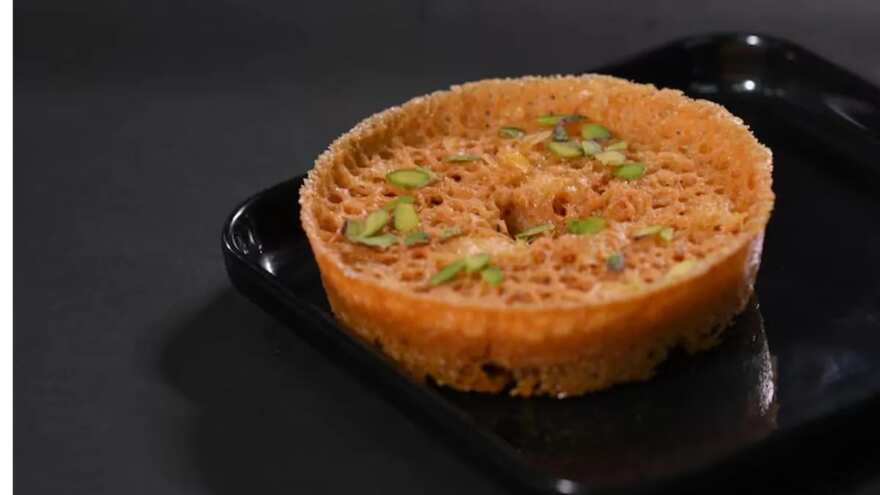 Image Credits: Freepik
Festival Connection
The monsoon season in India brings some classic festivals, and ghewar plays a significant role in many of them. In Rajasthan, Haryana, and parts of Uttar Pradesh, this sweet dish is offered during Teej and Raksha Bandhan. For Teej, it’s given to married daughters by their parents as part of a special gift set called ‘Sindhara.' In Rakhi, it’s shared among siblings as a sweet treat. These customs have been passed down from generation to generation, which have kept the demand for ghewar high during this season. Even those who don’t make it at home buy it during these festivals, making it a must-have during the rainy months.
Shelf Stability In Humid Weather
You might think sweets become soggy, sticky, or even spoil faster in the rainy season, but in the case of ghewar, it is an exception. Its crisp structure and syrup coating help it stay fresh for a few days even without refrigeration. That’s why families prepare or buy ghewar ahead of festivals and still enjoy it later. The sugar in this dish acts like a natural preservative. Unlike milk-based sweets that spoil quickly in moisture, ghewar survives monsoon air quite well. As long as it’s stored in a dry box, it remains tasty and crunchy. That makes it ideal for a time when keeping food fresh can be tricky.
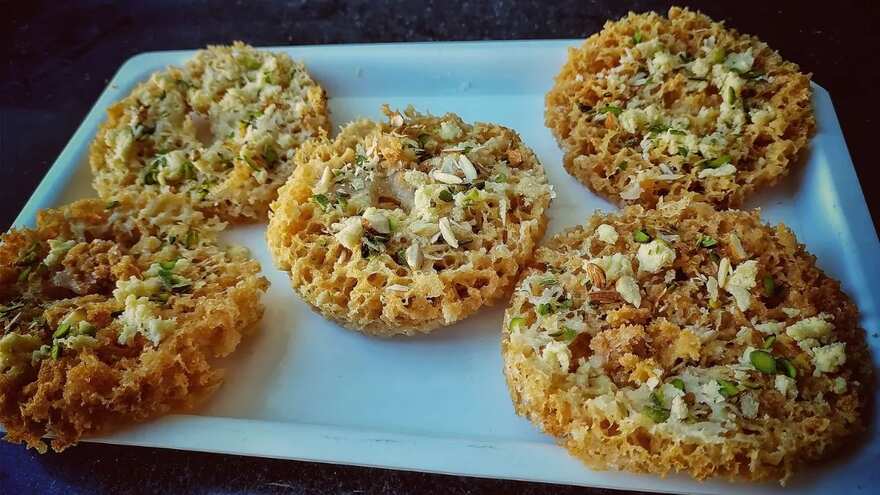
Image Credits: Wikimedia Commons
Seasonal Demand And Tradition
In many homes, ghewar is not just a food, it’s a part of monsoon rituals. Once the rains begin, people start looking forward to festival foods, and ghewar tops that list. Shops begin making it in bulk, and its appearance signals the arrival of Teej and Rakhi. For some, it’s about memories of rainy days, family gatherings, and sweet boxes from local halwais. This seasonal craving is passed down like a tradition. People may skip it in other seasons simply because it doesn’t “feel right” outside the rain. Over time, this seasonal habit has become a cultural rhythm across many parts of India.
Ayurvedic Benefits
Ayurveda also supports eating ghewar in this season. According to it, ghee and milk-based sweets are considered to be nourishing, especially when the humid weather messes with your digestion. Ghewar, made with ghee, flour, and sugar, carries forward this idea. It’s not just about indulgence, it’s about eating what suits the season. The richness of ghewar provides warmth and energy, which is helpful during the damp and cooler days of monsoon. So even though it’s a dessert, its ingredients and timing make sense from a traditional health point of view.




