


 Share
Share

Ellunda is one of the oldest and most loved traditional sweets of Karnataka. It is prepared with a simple handful of everyday ingredients but is filled with decadent taste and has a cultural value linked to it. The name itself is derived from joining two Kannada words, i.e. ellu meaning sesame seeds and unda, which means the ball. Filled with healthy fats, calcium, iron, and natural sweetness that it gets from jaggery, ellunda showcases the simplicity of Indian home cuisine, where everyday wholesome ingredients can be blended to make nourishing delicacies.
While it is most typically linked with festivals such as Makar Sankranti, many households, however, prepare it throughout the year to enjoy it as a quick energy-boosting snack. Unlike any other sweet that needs a complex recipe and making process, ellunda needs very little preparation, which makes it an ideal sweet to start with as a beginner. Here's everything you need to know about its history, the key ingredients, regional variations and also a simple recipe to make this loved Karnataka sweet at home.
The Story Behind Ellunda: A Sweet Embedded In Karnataka's Culinary Legacy
Ellunda has been part of Karnataka cooking for centuries, especially popular in farming communities where sesame seeds and jaggery were pantry staples. The reason is that the sweet is particularly important during the festivity of Makara Sankranti, as sesame is in abundance and sesame-jaggery-based dishes are also exchanged among family and neighbours as a gesture.
Across parts of South India, sesame has long been considered an auspicious ingredient and is commonly used for religious offerings during festivities, as winter energy bites, because sesame delivers energy and warmth during intense cold days. It has a long shelf life and easy preparation have made ellunda a household favourite through the ages.
What Goes Into Traditional Ellunda?
Despite its rich taste, surprisingly authentic ellunda is prepared by using only a few basic ingredients. Each one adds to its taste, texture, and also the nutritional value. Its core ingredients are:
- White or black sesame seeds
- Jaggery
- Cardamom powder
- Ghee (optional)
- Roasted peanuts or dry coconut (optional)
Sesame seeds deliver a pleasant nutty taste and crunchy texture to the sweet, while jaggery helps in binding the mixture nicely without having to use refined sugar. Cardamom adds a light fragrance, and optional additions such as peanuts or coconut add more richness to every bite without overpowering its classic taste.
Regional Variations Of Ellunda Across India
Although Karnataka is home to the best-known ellunda, sesame-based laddoos are made across India under different names. While the ingredients stay mostly identical, each region adds its own local taste, techniques, and traditions to the sweet.
Ellu Urundai, Tamil Nadu
Known as Ellu Urundai, this type is made by roasting sesame seeds and mixing them with jaggery and then shaping them to make firm laddoos. Some households also add some dry coconut or roasted gram or chana to add some extra taste and texture. It is generally prepared during festivals and also as religious offerings.
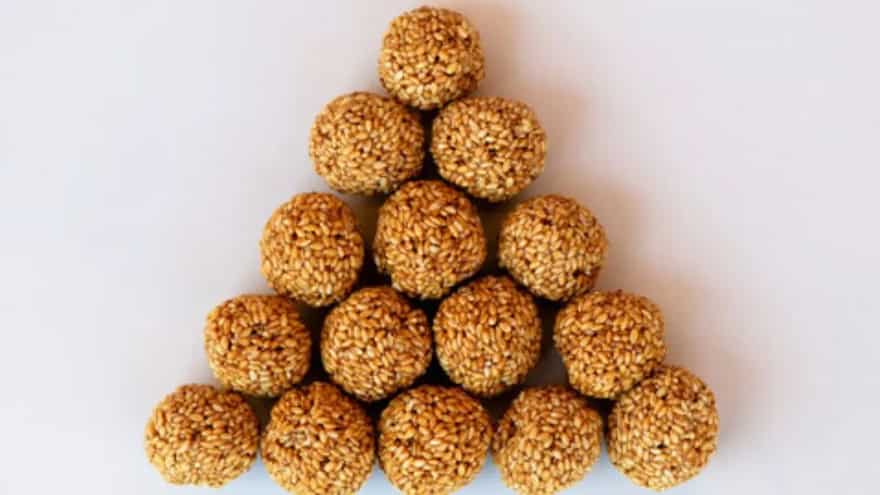
(Image credit: Freepik)
Nuvvula Undalu, Andhra Pradesh & Telangana
Referred to as Nuvvula Undalu, these laddoos are made by blending roasted sesame seeds, jaggery, and sometimes crushed peanuts and adding dry coconut. They are particularly popular during the festival of Sankranti and are also enjoyed as a quick, energy-rich homemade snack.
Tilache Ladoo, Maharashtra
A festive choice, Tilache ladoo is prepared by mixing roasted sesame seeds with melted jaggery and aromatic cardamom. Some people also mix in roasted peanuts or some chopped dry fruits to elevate their flavour, giving the laddoos a more decadent taste and a slight crunch in every bite.
Til Ke Laddu, North India
Across states such as Uttar Pradesh, Rajasthan, Punjab, and Haryana, til ke laddu are typically prepared during the harvest festival such as Lohri or Makar Sankranti. Many people add ghee, chopped almonds, cashews, or pistachios, making them richer while maintaining the classic nutty taste of sesame.
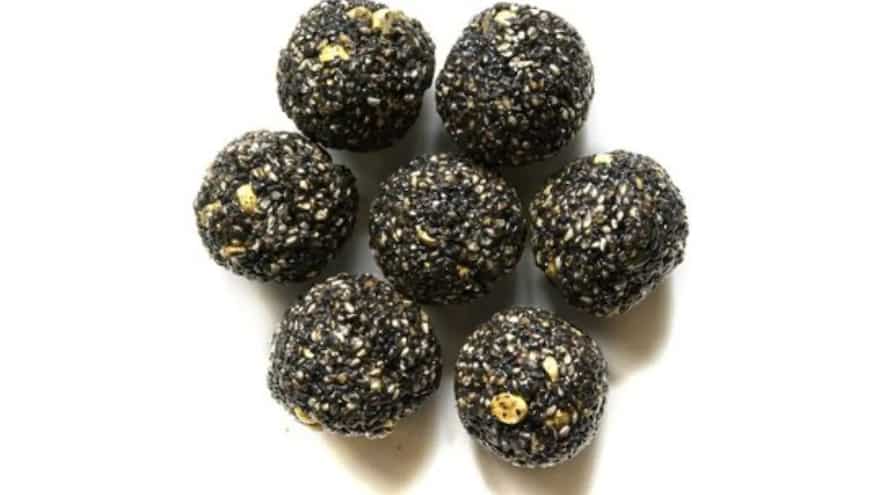
(Image credit: Freepik)
How To Make Classic Karnataka-style Ellunda?
If you ever plan to make Karnataka-style ellunda at home, follow the recipe given below:
Ingredients
- 1 cup white sesame seeds
- ¾ cup grated jaggery
- ¼ tsp cardamom powder
- 1 tsp ghee (optional)
- 2 tbsp roasted peanuts, crushed (optional)
Method
- In a pan, dry roast the sesame seeds on low flame for about 4 to 5 minutes until they begin to pop a bit and you get a smell of a nutty aroma. Let this cool down thoroughly.
- Pound the roasted sesame seeds for a short time in the mixer. Add the grated jaggery and cardamom powder, then blend it again until everything gets mixed entirely.
- Now, add in the crushed roasted peanuts and a teaspoon of ghee if using. Mix it well so that everything gets distributed evenly.
- Grease your palms and take small portions of the warm mixture and press it firmly between your palms to make smooth, bite-sized balls.
- Let the ellunda cool down and then store it in an airtight container, and you can use it for up to two weeks at room temperature.




