


 Share
Share

When the festival of sacrifice arrives, the vibrant lanes of western India transform into a sensory paradise. Eid Al Adha revolves around devotion, charity and the communal sharing of food. Within the intricate tapestry of Indian culture, the distinct communities hailing from Gujarat bring a deeply unique culinary philosophy to the festive spread. Unlike the heavy cream laden gravies of the north or the coconut infused curries of the south, the foods prepared by the Bohra, Memon and Kutchi populations represent a fascinating intersection of indigenous agricultural practices and historic maritime trade. These trading groups travelled across the Arabian Sea, absorbing influences from Yemen, East Africa and Sindh, then anchored these global inspirations firmly within the local regional palate. The result is a festive menu that balances sweet, sour and spicy notes with absolute precision. Food is not merely sustenance here but a living archive of journeys and faith. During this specific festival, meat takes the spotlight. The mandatory sharing of the sacrifice ensures that the choicest cuts reach neighbours, extended relatives and the less fortunate, democratising the joy of the occasion.
The Dawoodi Bohra Spread: Symphony Of The Thaal
The Dawoodi Bohras are renowned for their highly structured approach to dining. Central to their culinary culture is the thaal, a large circular metal plate around which eight people sit to share a meal. This practice fosters a sense of equality and unity. During Eid Al Adha, the thaal becomes a canvas for some of the most elaborate meat preparations in the country. The meal traditionally begins with a pinch of salt to clear the palate, followed immediately by a sweet dish, and then a savoury appetizer. This alternating pattern continues, surprising the palate and preventing flavour fatigue during a heavy feast.
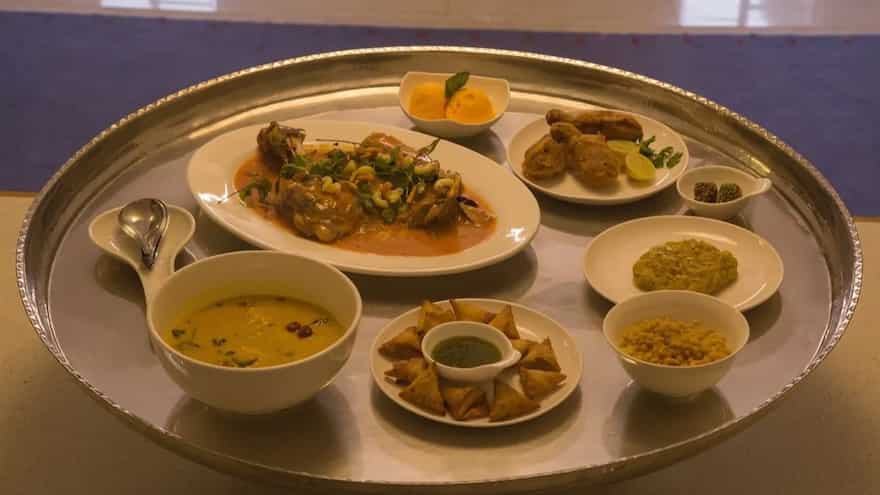
Image credit: Google Arts & Culture
One of the most celebrated dishes during this festival is the Raan. This is a whole leg of lamb or goat marinated for two full days. The marinade is a carefully guarded balance of raw papaya paste to tenderise the meat, alongside ginger, garlic, yoghurt and a signature garam masala heavily scented with mace and green cardamom. The Raan is then slow roasted over gentle heat until the meat effortlessly falls off the bone. It is rich, aromatic and completely devoid of the heavy oiliness found in typical restaurant roasts.
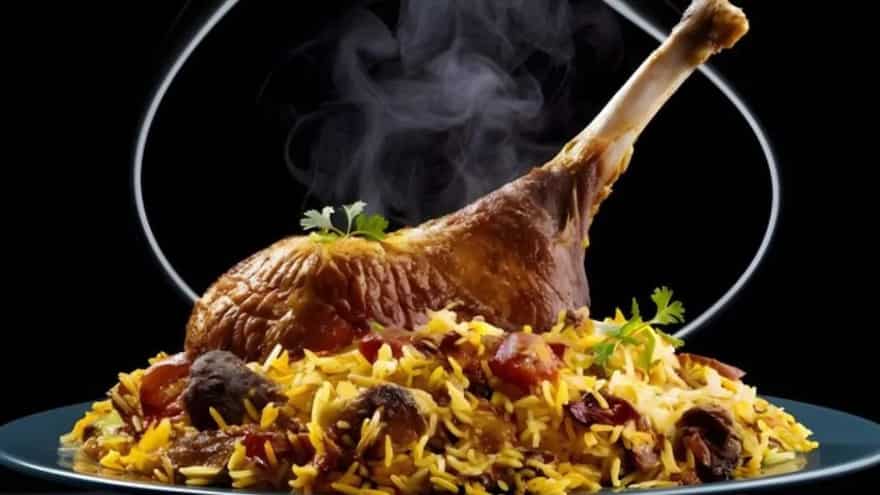
Image credit: Freepik
Bohra Biryani is another masterpiece that stands out from its national cousins. It is deliberately moist, avoiding the dry texture that sometimes plagues other regional biryanis. The meat is cooked with generous amounts of yoghurt, fresh tomatoes and dried plums. These dried plums add a subtle tartness that cuts beautifully through the richness of the animal fat. Quartered potatoes are deep fried and nestled into the rice, acting as sponges that absorb the fragrant meaty broth. The spices are applied with a gentle hand, ensuring the natural flavour of the prime cuts takes centre stage.
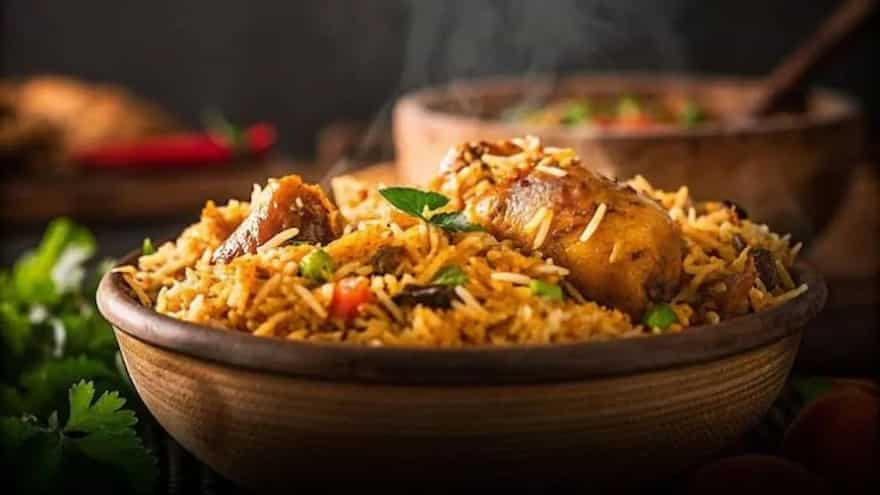
Image credit: Freepik
Another labour of love prepared for the occasion is Khichda. This thick, hearty porridge is made by pounding broken wheat, lentils and mutton together for hours over a slow wood fire. The physical rigour required to stir the massive pots means it is often cooked collectively by extended families. Garnished heavily with crisp fried onions, fresh mint leaves, julienned ginger and a generous pour of sizzling clarified butter, Khichda transforms humble pantry staples into a festive triumph.
The Memon Kitchen: Fiery And Unapologetic
If the Bohra kitchen is defined by subtle elegance, the Memon culinary tradition is fiercely aromatic, unapologetically spicy and wonderfully rustic. Tracing their roots to the borders of Sindh and the Kathiawar peninsula, the Memons have a legendary love for robust flavours. They do not shy away from heat, and their festive spreads are an ode to the vibrant spices of the subcontinent.
During Eid Al Adha, Memoni Biryani is the undisputed star of the dining table. It is famously fiery. Unlike commercial varieties, authentic Memoni preparations entirely avoid artificial food colouring. The deep, gorgeous hues come naturally from slowly caramelised onions, vibrant red tomatoes and a generous measure of high quality red chilli powder. Fresh green chillies and coriander roots are pounded directly into the meat marinade, ensuring the heat penetrates deep into the proteins. The addition of sour yoghurt and lemon juice balances the fierce spice, creating a symphony of intense flavours.
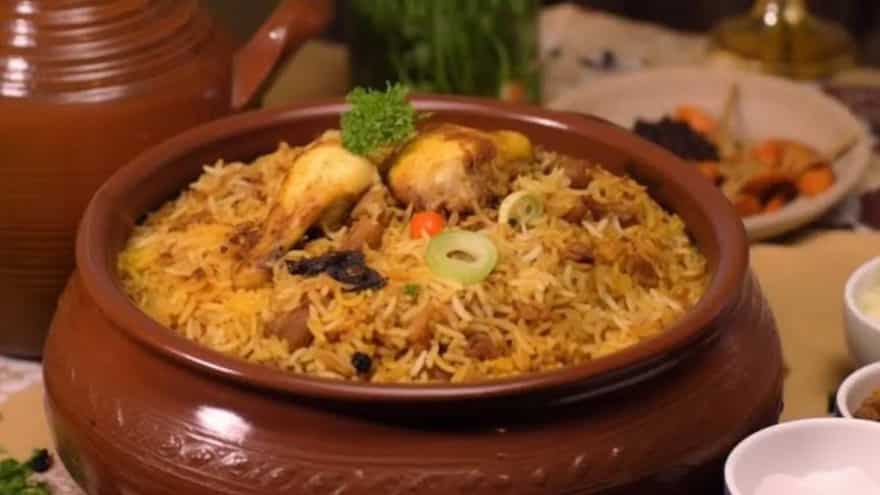
Image credit: Freepik
Aqni is another festive staple cherished in Memon households. It is a hearty one pot comfort dish where rice, meat and potatoes are cooked together in a deeply spiced, watery broth. Unlike biryani where the meat and rice are layered and steamed, Aqni relies on the continuous absorption of flavours as the grains of rice swell in the meat stock. It is flavoured heavily with whole black peppercorns, cinnamon sticks and cloves, offering a warming, earthy profile.
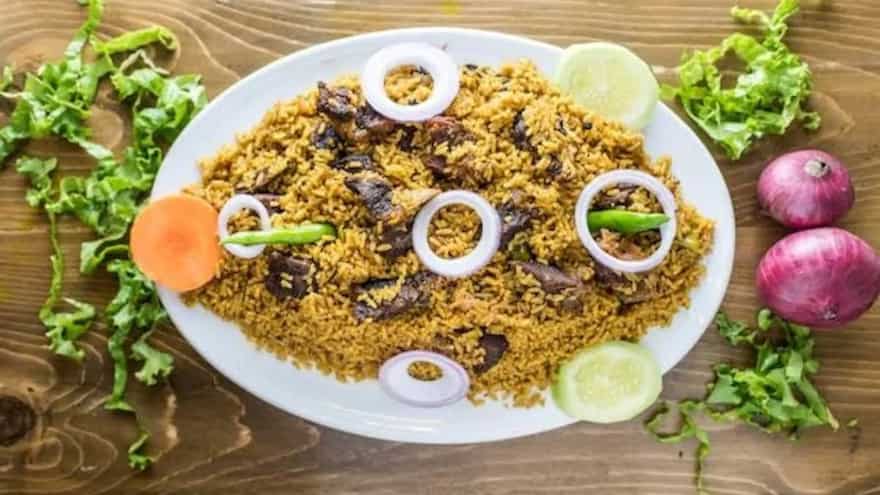
Image credit: Freepik
The Memon community also excels at nose to tail eating, ensuring no part of the sacrifice is wasted. The morning of the festival often begins with Kaleji, a dish of liver cooked rapidly over high heat with freshly cracked black pepper, cumin and green chillies. Breakfast might also feature Paya, which are trotters simmered overnight on coals until they break down into a gelatinous, incredibly rich stew. This is traditionally mopped up with crisp, thick breads, providing the energy needed for a day of celebration and community service.
The Kutchi Traditions: Arid Landscapes And Robust Flavours
Kutch is an arid, starkly beautiful region characterized by vast salt flats and desert landscapes. This harsh geography directly dictates the culinary traditions of the Kutchi Muslims. With extremely hot summers and historically scarce water supplies, their cooking techniques evolved to preserve meat and extract maximum flavour from minimal fresh produce. The result is a deeply earthy and resilient cuisine.
Kutchi Gosht is a signature preparation that perfectly captures this ethos. It utilises stone flower, a unique dried lichen that imparts an earthy, smoky and slightly woody aroma that is completely impossible to replicate with other spices. The meat is cooked with very little water, relying instead on the natural moisture of the meat itself and a heavy base of thick, sour yoghurt. Slow braising in heavy bottomed copper vessels allows the robust spices to meld perfectly.
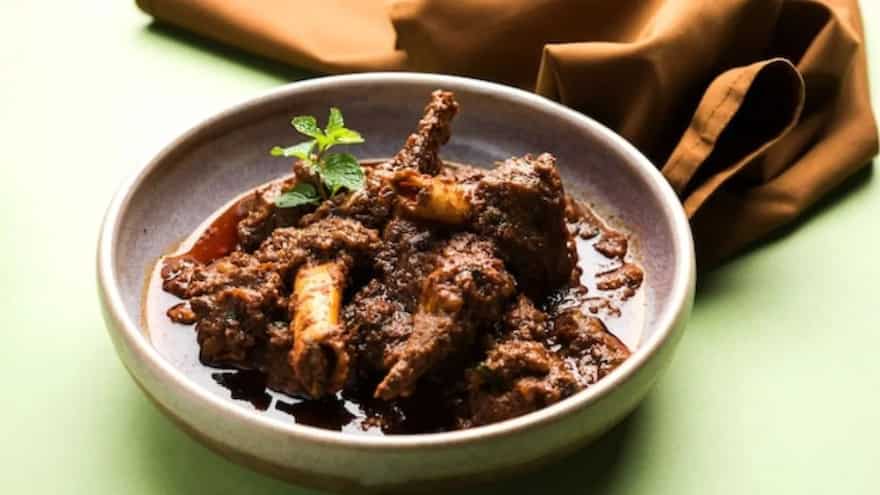
Image credit: Freepik
Kutchi Biryani differentiates itself with a much higher ratio of meat to rice compared to other regional styles. The marinade features an abundance of dried spices, prominent among them being black cardamom, star anise and long pepper. The rice is parboiled with whole spices and salt before being layered. The sealing of the pot with a thick ring of wheat dough traps the steam, forcing the aromas to circulate within the vessel and perfume every single grain.
They also prepare Mutanjan, a highly celebratory dish that beautifully blurs the line between a main course and a dessert. It features tender pieces of meat cooked with rice, saffron strands, sugar, almonds and pistachios. This fascinating sweet and savoury combination showcases the ancient Persian influences that travelled through trade routes into the coastal ports of the Kutch peninsula centuries ago.
The Secret Pantries And Accompaniments
The secret to these festive spreads lies in the mastery of traditional cooking techniques and bespoke spice blends. Across all three communities, slow cooking is paramount. Meat is rarely rushed. It is braised, roasted or steamed over gentle, indirect heat, allowing the tough connective tissues to break down into melting tenderness. The use of copper cooking vessels, heavily tinned on the inside, ensures even heat distribution and prevents the acidic ingredients like tomatoes and yoghurt from reacting unfavourably. The pantries of these communities also tell a story of global trade. The Bohra spice blends often feature delicate florals like rose petals and mace, hinting at Yemeni connections. The Memon reliance on coriander seeds, cumin and fiery regional chillies showcases their deep roots in the arid farming plains. The Kutchi use of dried lichen and long pepper speaks to ancient overland spice routes.
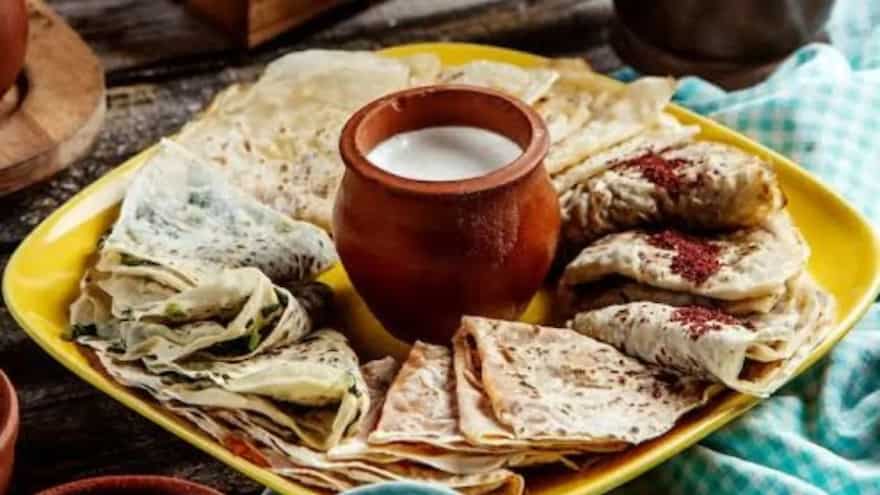
Image credit: Freepik
Because the meat dishes are so incredibly rich, the side dishes are designed to cleanse the palate. Bohra families often serve a cold, watery soup called Sark, made from yoghurt, garlic, cucumber and mint, which aids digestion. Memon households favour a sharp onion and tomato kachumbar steeped in white vinegar to cut through the heavy lamb fat. These thoughtful additions showcase a deep understanding of nutritional balance.
A Feast Of Faith And History
The nuances of these three communities highlight how food is never just a means of survival. It is an archive of shared history and devotion. The Dawoodi Bohras bring meticulous structure and subtle sweetness to the table. The Memons offer vibrant, fiery generosity. The Kutchis present robust, earthy resilience. During Eid Al Adha, these distinct culinary dialects merge into a broader celebration of faith. The mandatory sharing of meat with neighbours, relatives and the less fortunate ensures that the festive joy extends far beyond individual households. Preparing these grand dishes requires immense patience, culinary skill and a profound respect for the ingredients, transforming the act of sacrifice into a feast of monumental cultural significance that binds generations together.




