


 Share
Share

For many picky and fussy eaters, 'saag' or leafy greens often refers to one thing, i.e., boring, bitter and good to skip. But winter greens are nature’s seasonal shield that helps in maintaining strong immunity, supports digestion, and keeps the body warm from within. Rather than forcing plain boiled sabzis on the plate, saag dishes can be changed into creamy curries, stuffed parathas, or tadkas, and even cosy, ghee-laden sides that can tempt even the pickiest eater.
In an Indian household, winter is the time when palak, sarson, bathua, and methi change from “health food” to the irresistible comfort food. With the right blend of spices, textures, and a little indulgence, these saag recipes do not feel like a compromise. Instead, they feel like a treat to your body and taste buds,
Sarson Ka Saag
It is a classic Punjabi winter hero, prepared with mustard greens, a bit of palak and bathua and slow-cooked until it turns creamy and fragrant. Seasoned with ghee, ginger, garlic and green chillies, sarso ka saag has a bold, slightly peppery taste that not only soothes the taste buds but also warms you from within. The texture is thick and slightly rough, ideal for pairing with makki ki roti and a dollop of white butter or ghee from the top. It’s not just a dish, but it's a winter tradition that feels like home in every bite.
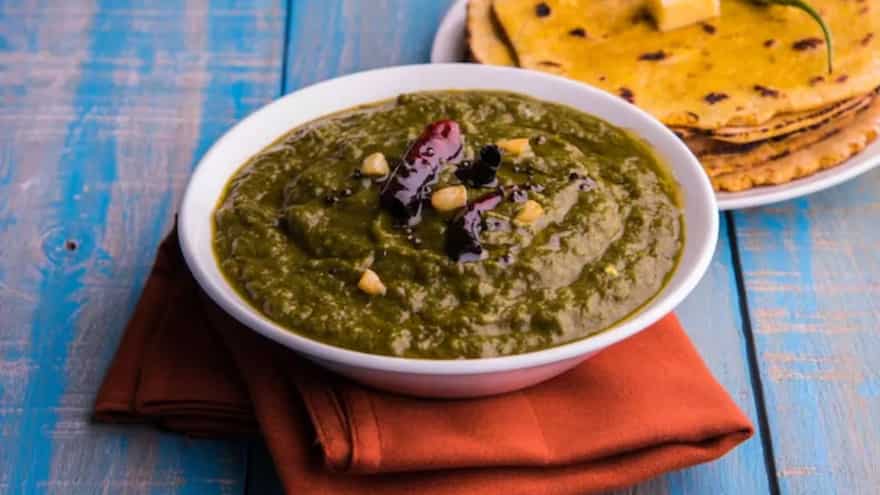
(Photo credit: Freepik)
Palak Paneer Saag Style
Imagine palak paneer cooked in the saag gravy. Palak is boiled with onions, tomatoes, ginger and garlic until it turns smooth, then blended and cooked with paneer cubes and a drizzle of some cream or ghee. The flavour is gentle and comforting, having a hint of smokiness if you finish it off with a tadka. The texture is smooth and spoonable, making it ideal to pair with hot rotis, naan or jeera rice. Light on the stomach but still heart-warming, palak paneer in saag style is ideal for cosy winter meals.
Bathua Saag With Garlic Tadka
Bathua, also known as a winter-special gem, turns into a delectable saag when cooked slowly with a mix of palak, green chillies and a minimal blend of spices. The taste is earthy, a bit tangy, and feels wintery, particularly when garnished with a sizzling tadka of garlic, red chilli and ghee. The texture of bathua saag is soft but not in a pureed form, giving every bite a rural, homemade feel. Pair it with bajra roti or the plain phulka; this saag feels like straight out of a village kitchen, which is extremely satisfying.
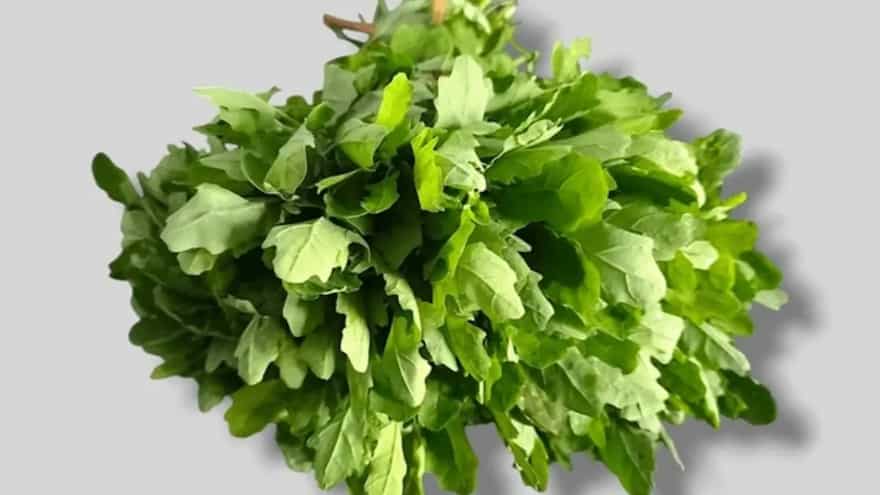
(Photo credit: Freepik)
Palak Dal Saag
It is a dal and saag served together in a bowl. Spinach or palak is cooked with toor or moong dal, tomatoes, onions and a blend of simple spices until it becomes thick, creamy and delightful. The flavour is mild, having the goodness of spinach delivering warmth, and the dal gives it body and protein. A final seasoning of ghee, garlic and some jeera changes it into a pure winter comforting meal. The texture is sufficiently smooth to pour over the rice but also thick enough to eat with roti, making it ideal for everyday winter meals.
Amaranth Saag (Chaulai)
Amaranth or chaulai ka saag is that quiet winter hero you would often walk past at the grocery store without acknowledging how special it is. It's soft, slightly earthy leaves turn silky when cooked with garlic, chilli and a hint of ghee. Unlike other leafy vegetables, chaulai is light on the stomach and rich in minerals such as iron and calcium. Serve it with bajra roti or hot phulkas, a dash of ghee and some jaggery on the side, and you will have a cosy, homely plate.
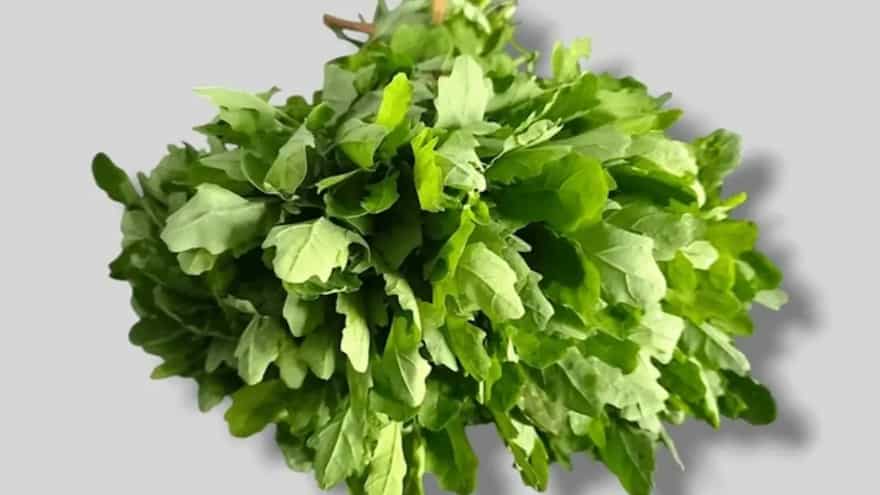
(Photo credit: Freepik)




