Share
Share

Durga Pujo is not merely a festival for Bengalis but an important time of the year when Goddess Durga is believed to visit her parental home for a few days. It is a medley of 4 Fs - faith, family, food, and festivities. Within its numerous traditions, bhog, sacred food served to the Goddess and distributed among devotees, has a special spot because it symbolises simplicity, purity, and devotion. In the past, large traditional ovens were used to make, but it is not possible in the urban kitchens of today. This is where Usha OTG steps in as a contemporary friend. If you get a little creative, you will be surprised to see how this advanced appliance can be used to turn traditional recipes into healthy delights while keeping the OG flavours intact.
Khichuri
No Durga Pujo bhog is complete without the traditional niramish khichuri. Prepared traditionally in huge cauldrons, this aromatic preparation of lentils and rice takes the centre spot on the bhog spread. In Usha OTG, you can cook it in a covered vessel consisting of roasted moong dal, short-grain rice, ginger, and spices along with warm water, enough to prevent the final dish from drying and burning. The constant heat of the oven mimics dum-style slow cooking. A ghee drizzle at the time of serving adds the signature fragrance that immediately reminds one of community pandal bhogs.
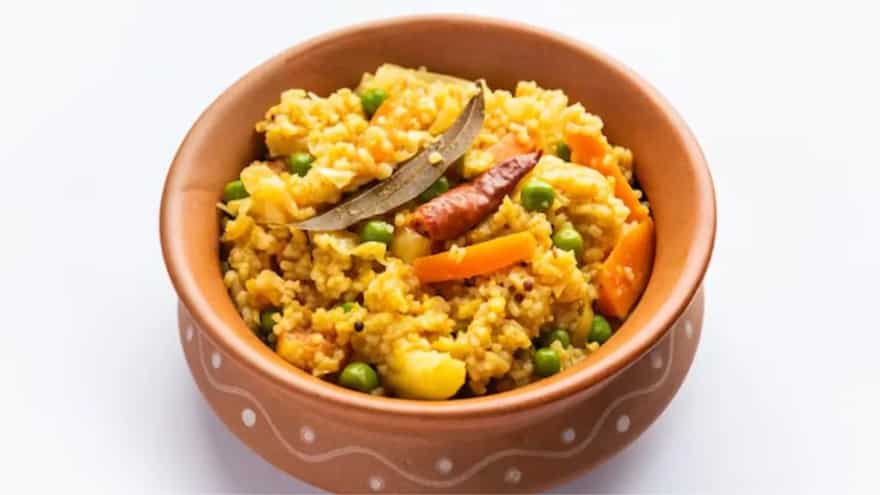
If you don’t have Usha’s OTG, Shop Now  .
.
Beguni
Beguni, which are batter-fried slices of brinjal, are all our guilty favourites during the Pujo celebrations. Though they are typically deep-fried, an OTG provides a better option. Simply dunk slices of brinjal in a gram flour batter laced with turmeric and red chilli, put them on a greased baking tray, and bake until golden brown. Brushing a bit of mustard oil on the top halfway through baking provides them with the characteristic crunch and flavour.
Also Read: How To Bake Kerala Chips In OTG
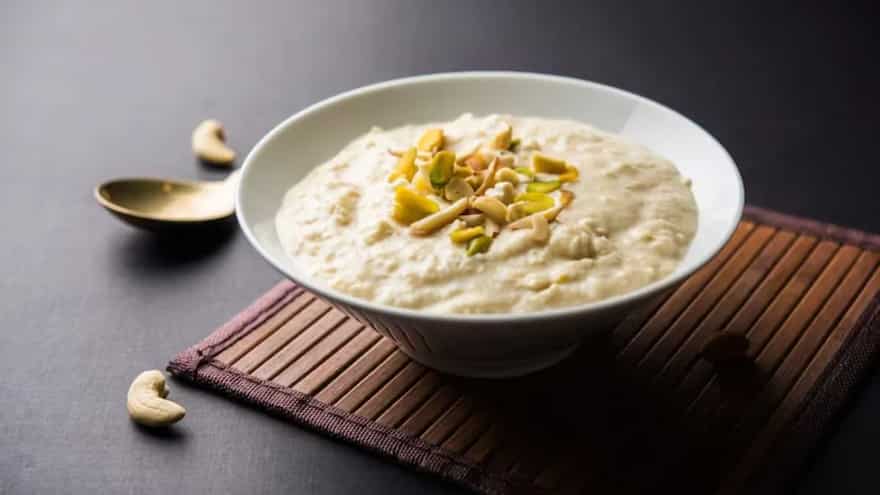
Payesh
In sweets, payesh (rice pudding) is god-like in its position in Durga Pujo bhog. Ideally cooked for hours over slow heat, it can be modified for the OTG by using a heavy oven-proof vessel. Maintain a low temperature of the appliance while cooking rice, sugar, and milk together. Add a few cashews and raisins at the end to enhance the texture and add a crunch. To achieve a burst of sweetness, use seasonally available nolen gur, and it will take the flavour profile up a notch. The baked variety has a deeper caramelised flavour that enhances the festive experience.
Shukto
Shukto, a mild vegetable stew with a hint of bitter gourd, is an integral part of bhog meals and acts as a palate cleanser. Classically milk and mustard seed-simmered, it has a distinct balance of tastes. To make it in Usha OTG, layer chopped bitter gourd, drumsticks, raw banana, and ridge gourd in an oven-safe dish, pour a light mustard-milk sauce over the ingredients, season them, and bake until the vegetables are tender enough to be mashed with a fork. This baking process tones down the bitterness and prevents it from overpowering other notes.
Sandesh
Bengal's pride dish, Sandesh, is usually served during Pujo in simple forms. Rather than forming them completely by hand, you can make baked sandesh in the OTG. Make a homogenous blend of fresh paneer, sugar, cardamom, and a hint of saffron, spread on a baking tray, and bake until it sets but remains soft. When cooled, cut into squares or shape using festive moulds. The slow baking increases richness and forms a melt-in-mouth texture, so it becomes a heavenly bhog sweet.