


 Share
Share

Walk down the pasta shelf of any supermarket, and you will certainly come across the words "made from durum wheat" printed on the packaging. However, despite being one of the world's most influential food grains, durum wheat which stays unfamiliar to many customers. Unlike the regular wheat that is commonly used to make everyday chapatis and bread, durum wheat has distinctive characteristics that make it particularly valuable in kitchens across the world.
Durum wheat is grown considerably in countries around the Mediterranean, North America, and parts of India. It flourishes in relatively dry climates and is loved for its hard texture and high protein range. These qualities have made it one of the most loved grains for products such as pasta, couscous, semolina, and some traditional breads.
What makes durum wheat especially interesting is how much it affects the final consistency of food. The firm bite of pasta, the coarse richness of semolina, and the texture of some traditional Indian dishes all owe a great a big value to this grain. While it may not have got the same credit as oats or quinoa, durum wheat has quietly shaped food cultures across many for centuries.
What Exactly Is Durum Wheat?
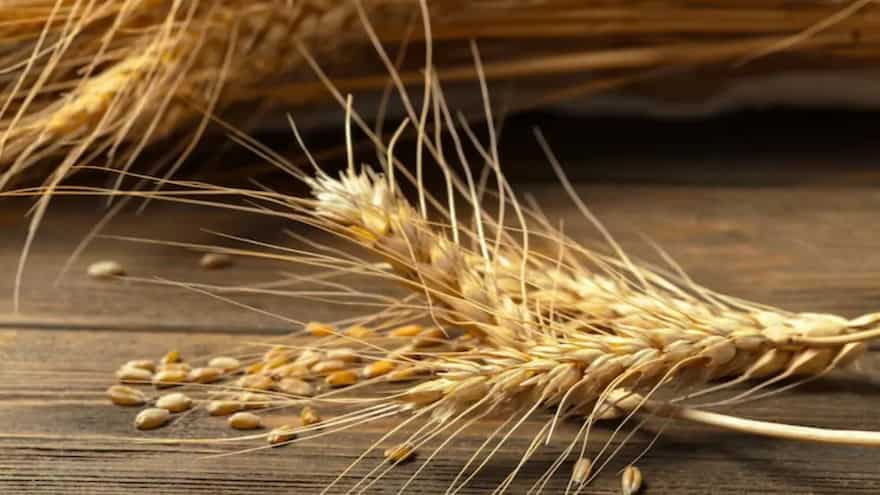
Durum wheat is a distinct variety of wheat known scientifically as Triticum durum. The word "durum" is derived from the Latin term for "hard," which refers to the grain's extremely hard grains.
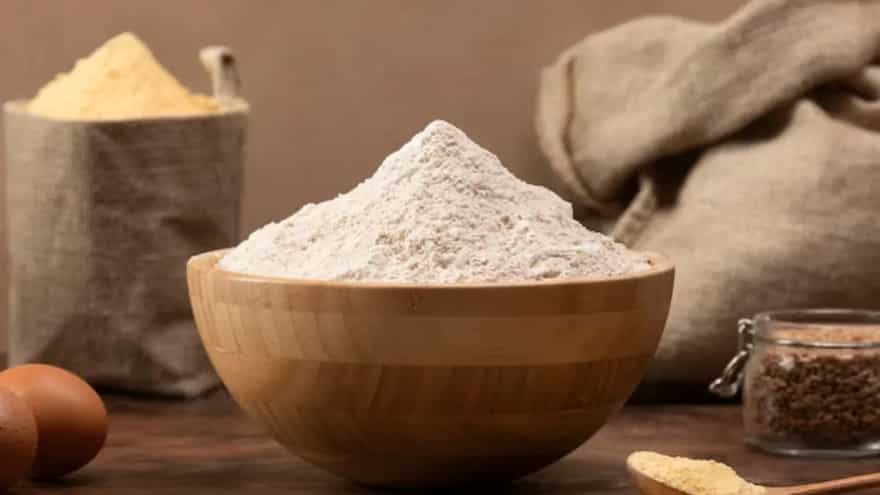
When milled, durum wheat gives semolina, a coarse flour having a golden-yellow colour. This semolina or suji is what gives pasta its distinctive texture and ability to hold its shape when it is cooked. As compared to regular wheat, durum wheat has higher levels of protein and gluten-forming blends. This makes a stronger dough that can resist boiling without turning mushy.
Its natural yellow shade, derived from carotenoids, also contributes to the pretty golden colour seen in many pasta yields.
Why Is Durum Wheat Used For Pasta?
If regular wheat can make flour, why do pasta makers choose durum wheat? The answer is in its texture. When durum semolina is mixed with water and shaped into pasta, it makes a dense and rubbery structure. While cooking, this structure helps pasta stay firm rather than turning soft and mushy.
The higher protein range helps the pasta maintain its shape, while the grain's starch composition gives it a pleasant chewiness. This is why authentic Italian pasta and many premium pasta brands persist in depending on durum wheat.
How Is It Different From Regular Atta?
The wheat used for everyday Indian flour is usually much softer than durum wheat and is preferred for making rotis, parathas, and breads.
Regular atta makes flexible doughs that puff up beautifully on a tawa. Durum wheat, on the contrary, has a firmer texture that is better suited to pasta and semolina-based dishes.
Visually, semolina appears more coarse and grainy than finely milled atta. Durum wheat yields also tend to have a bit of a nutty flavour and a richer golden shade. None of the grain is naturally "better"; they simply fit different culinary purposes.
Beyond Pasta: How Is Durum Wheat Used?
Although pasta is its most prominent application, durum wheat appears in many conventional foods around the world.
In North Africa, it is changed into couscous. Across the Mediterranean, it is used in rural breads and baked goods. In India, durum wheat is often utilised to make dalia and some regional rotis, especially in areas where the crop is widely grown.
Why Durum Wheat Matters Today
As consumers are becoming more curious about ingredients and how foods are being prepared, durum wheat is getting a whole attention. Its role in making texture, flavour, and structure makes it one of the most effective grains in modern food production.
The next time you like a bowl of pasta or a plate of semolina-based comfort food, there can be a pretty good chance that durum wheat can be the reason it tastes and feels the way it does. It may not be the most well-known grain in the pantry, but it remains one of the most important.




