


 Share


For millennia, Deepavali, popularly known as Diwali, has stood as one of the most vital spiritual and cultural milestones across the Indian subcontinent. Rooted in ancient lore, the festival marks the triumph of light over darkness, knowledge over ignorance, and righteousness over evil. Historically associated with the return of Lord Rama to Ayodhya after fourteen years of exile, as well as the worship of Goddess Lakshmi for prosperity and good fortune, Diwali carries a profound philosophical weight that resonates across generations. Homes are meticulously cleaned, ornate rangoli patterns adorn doorways, and millions of clay lamps, or diyas, are lit to guide divine blessings into every household. Beyond its deeply sacred origins, Diwali is a grand social celebration that reinforces family bonds, community solidarity, and generous hospitality through shared feasts and sweet offerings. Yet this devotion to illuminating the dark is not unique to India alone. Across the borders of South Asia, neighbouring nations host their own magnificent parallel light festivals. Celebrations such as Thadingyut and Tazaungdaing in Myanmar, along with Wan Ok Pansa and Loy Krathong in Thailand, share striking philosophical roots, seasonal alignments, and communal devotion. Exploring these regional equivalents offers a fascinating lens into how different cultures express shared values through illumination, reverence, and remarkable culinary traditions. 
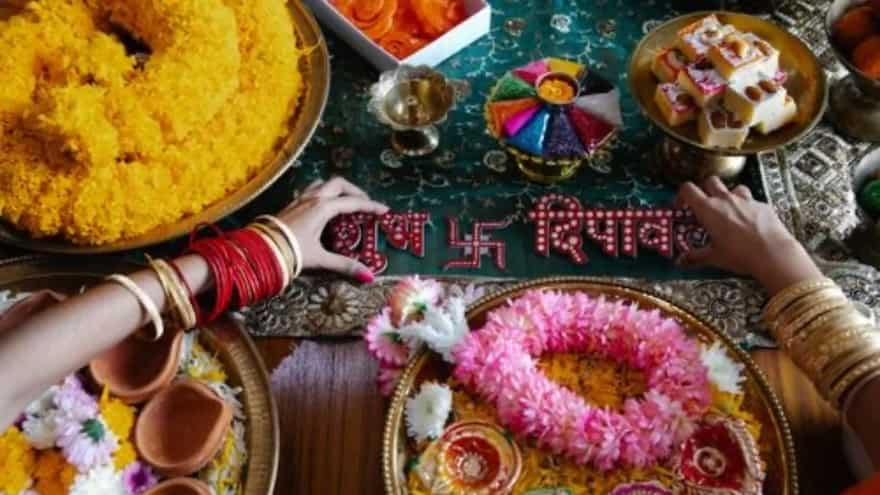
Image credit: Pexels
The Shared Heritage Of Asian Light Festivals
The cultural tapestry of Asia is woven with threads of trade, migration, and ancient spiritual exchange. Long before modern borders were drawn, ideas regarding cosmology, astrology, and seasonal cycles travelled freely along maritime and overland routes. The observance of light festivals during specific lunar cycles reflects an ancient pan-Asian custom linked to sacred traditions and community gatherings.
In Myanmar, this period gives rise to the luminous Thadingyut and Tazaungdaing festivals, while Thailand and Laos mark Wan Ok Pansa and the enchanting evening of Loy Krathong. Although these celebrations are deeply intertwined with Buddhist practices today, their underlying frameworks draw from ancient solar and stellar observations that parallel the astronomical foundations of Deepavali. Communities gather to cleanse their living spaces, offer gratitude to nature, and participate in collective feasting, highlighting a profound regional kinship that transcends religious boundaries. 
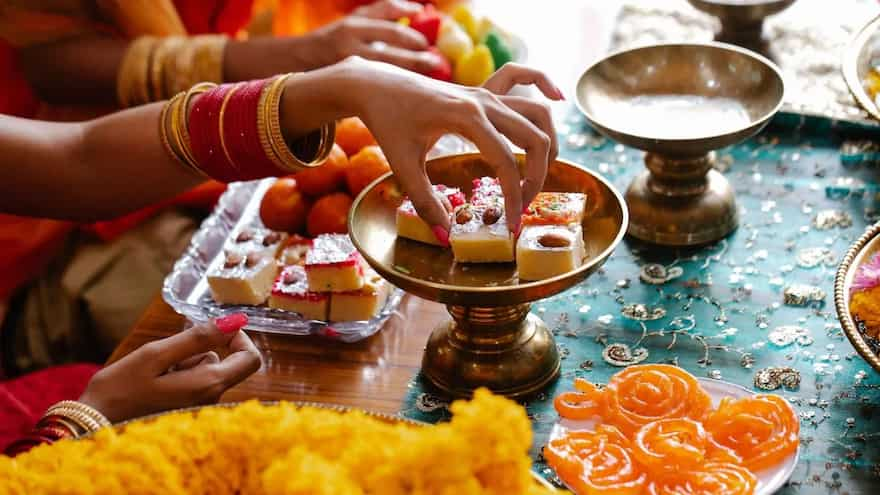 Image credit: Pexels
Thadingyut And Tazaungdaing In Myanmar And Their Sweet Delicacies
In Myanmar, the festival season begins with Thadingyut, the Lighting Festival that marks the end of Buddhist Lent (observed on 25 October 2026). According to tradition, Thadingyut commemorates the Buddha descent from the celestial realm, prompting devotees to illuminate streets, houses, and pagodas with candles, oil lamps, and vibrant lanterns to welcome him. Shortly after comes Tazaungdaing, celebrated on the full moon of Tazaungmon (23 November 2026), where towns and cities glow with millions of lights and breathtaking hot air balloons adorned with fireworks that ascend into the night sky. 
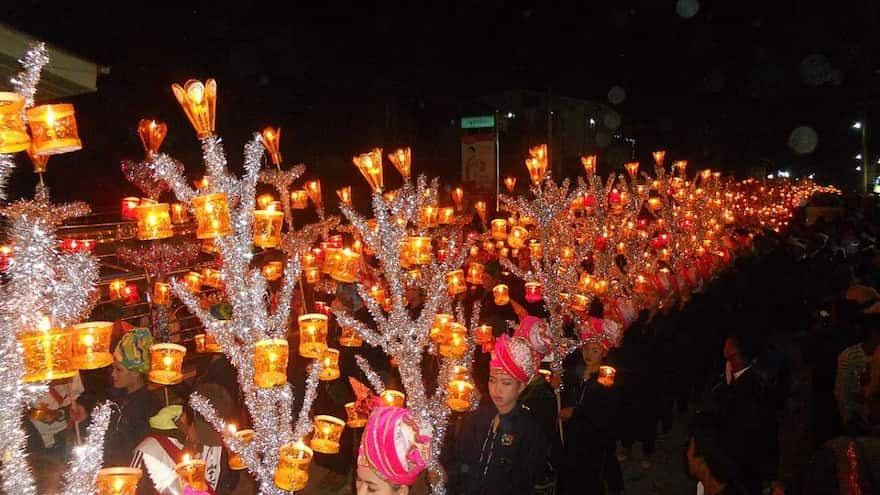 Image credit: Wikimedia Commons
Food occupies a central place in these festivities. No Burmese festival unfolds without a rich array of traditional dishes and sweets collectively known as mont. Households prepare batches of sticky rice treats, jaggery confections, and steamed rice cakes that are shared generously among neighbours and visiting relatives. A prominent culinary highlight during Tazaungdaing is a special communal dish made by gathering ingredients from multiple households to prepare a massive vegetarian offering. This practice mirrors the community bonding seen during Indian festive sweet preparations, reinforcing social harmony and mutual goodwill. Additionally, traditional salads featuring pickled tea leaves provide a tangy, nutty contrast to the rich sweets, balancing flavours perfectly for guests celebrating late into the evening.
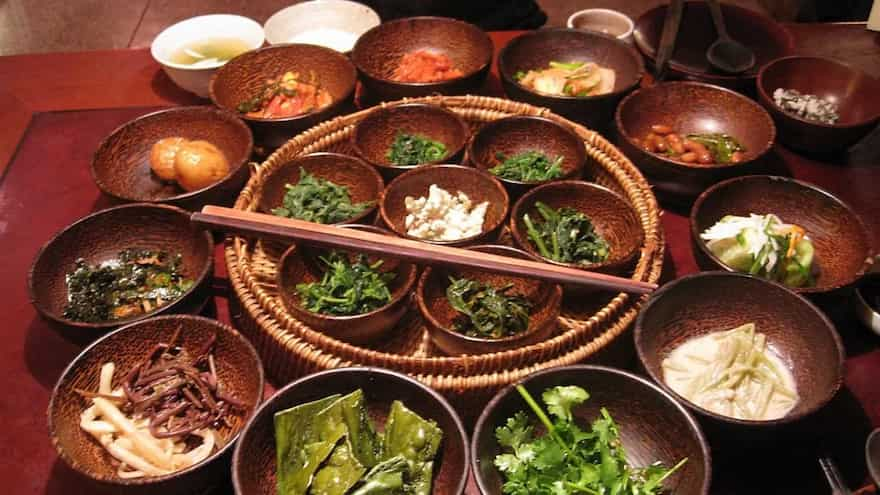
Image credit: Wikimedia Commons
Wan Ok Pansa And Loy Krathong In Thailand And Riverbank Flavours
In Thailand, the light festival season is anchored by Wan Ok Pansa (26 October 2026) and Loy Krathong (24 November 2026). Wan Ok Pansa marks the end of the three month rain retreat for monks, celebrated with candlelit processions, illuminated boat processions on rivers like the Mekong, and merit making rituals at local temples. Weeks later, the kingdom transforms on the evening of the full moon for Loy Krathong. People gather by rivers, canals, and lakes to release tiny, beautifully decorated floats made from banana trunks, leaves, flowers, and candles. This act symbolizes letting go of past grievances, misfortunes, and negative energy while sending wishes for good fortune floating down the current.
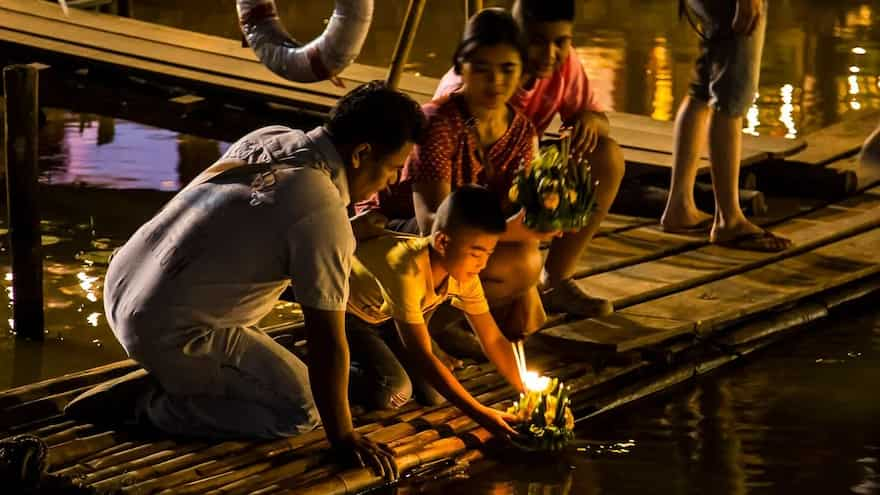 Image credit: Wikimedia Commons
The culinary landscape surrounding these events is exceptionally vibrant, turning riverbanks and night markets into open air feasts. Street food vendors offer an array of savoury and sweet dishes designed to satisfy festival crowds. A classic favourite is som tam, a spicy green papaya salad that brings a sharp, refreshing punch of lime, chilli, and fish sauce. Another iconic treat is kanom krok, delicate coconut puddings cooked in traditional cast iron moulds yielding a creamy texture with a crispy base. For those seeking heartier fare, grilled river prawns and skewers of spiced meats sizzle over charcoal grills, filling the air with enticing aromas. Dessert lovers indulge in mango sticky rice, where sweet glutinous rice meets fresh mango slices and rich coconut cream, providing a colourful and satisfying finale to the evening.
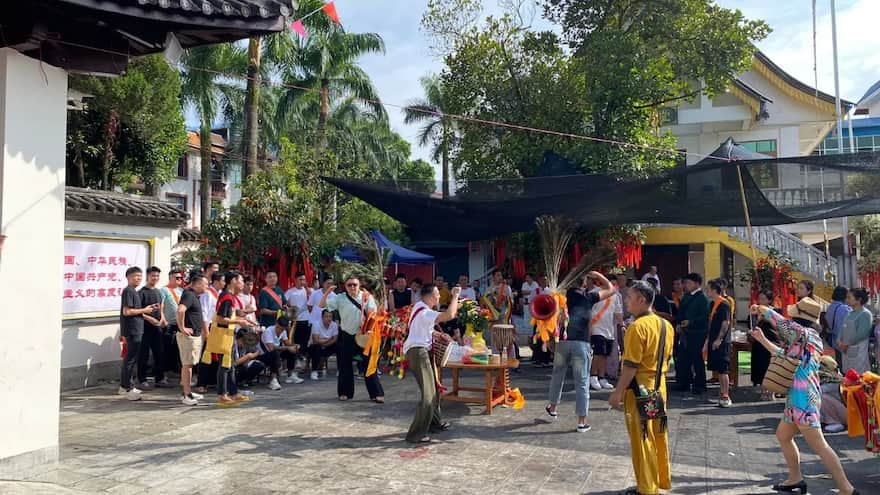 Image credit: Wikimedia Commons
Luminous Celebrations Across Laos, Cambodia, And Beyond
The traditions of lighting lamps and honouring water spirits extend well beyond Myanmar and Thailand into neighbouring Southeast Asian countries. In Laos, the festival of Boun Awk Phansa coincides with the end of Lent, featuring the floating of handcrafted boats made of banana leaves carrying candles and incense down the Mekong River, known as Lai Heua Fai. Alongside these light displays, communities feast on traditional steamed fish cakes known as mok pa, sticky rice, and aromatic herbal broths.
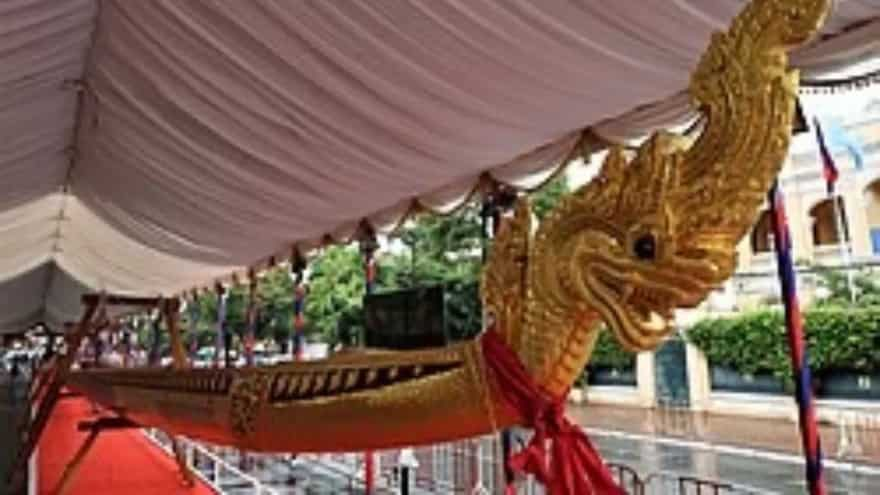
Image credit: Wikimedia Commons
In Cambodia, the grand water festival known as Bon Om Touk (taking place from 23 to 25 November 2026) features boat races during the day and illuminated floating barges at night, celebrating the reversal of the Tonle Sap River. The signature dish during this gathering is ak ambok, a traditional delicacy made of flattened crushed rice cooked with banana and coconut milk, consumed after midnight offerings to the moon. In Sri Lanka, while Deepavali (8 November 2026) is celebrated by Hindu communities, the Buddhist festival of Vesak also features paper lanterns and light displays accompanied by sweet rice dishes and herbal teas, further demonstrating the widespread cultural imprint of light festivals across the region. 
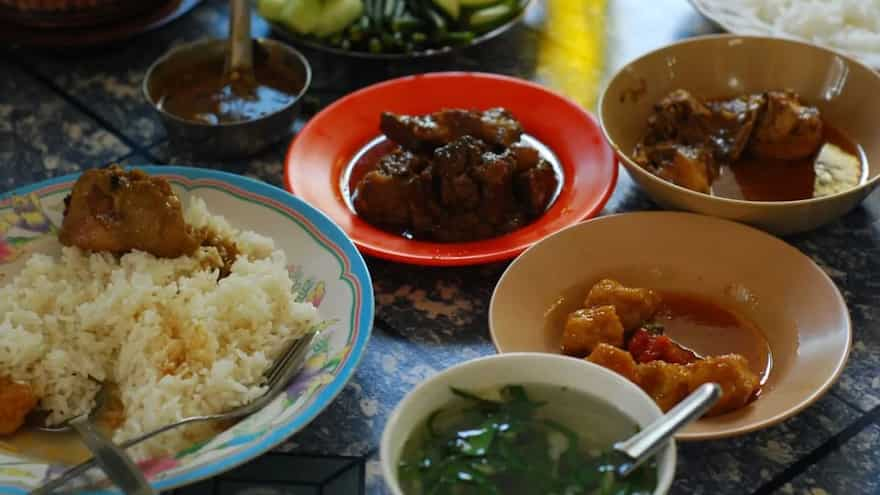 Image credit: Wikimedia Commons
Astrological Connections And Sacred Gathering Rhythms
Beneath the sparkling displays and delectable feasts lies a deep connection to ancient astrology and spiritual cycles. Historically, these timing markers signaled moments for spiritual reflection, expression of gratitude, and community grounding before moving into new seasons.
In both Indian and Southeast Asian traditions, the movements of specific constellations governed the timing of these great gatherings. The Kattika festival in ancient astrology, which honoured guardian planets and stellar alignments, heavily influenced the development of both Deepavali traditions and the Southeast Asian equivalents. By lighting lamps and floating candles, societies sought to banish the literal and metaphorical darkness, welcoming prosperity and divine protection. This shared heritage explains why the culinary offerings across these festivals rely heavily on foundational staples such as rice, coconut, jaggery, and seasonal fruits, anchoring modern celebrations in ancient ecological gratitude.
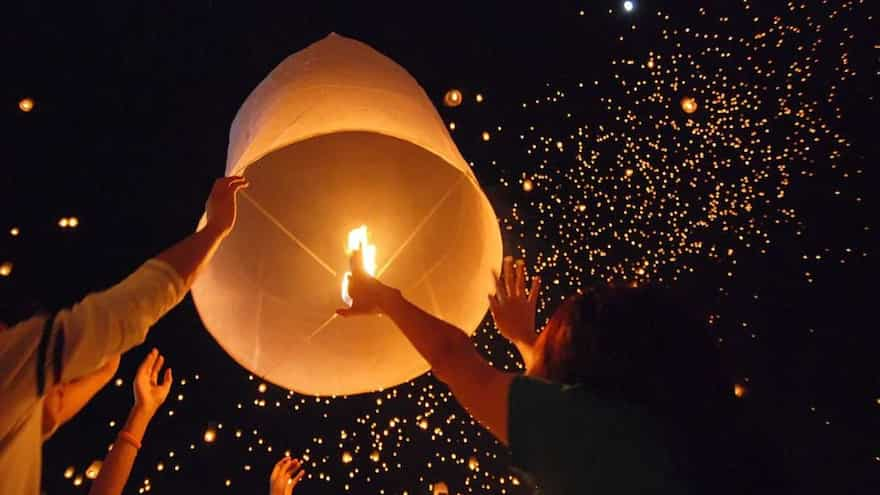 Image credit: Wikimedia Commons
Culinary Traditions Bonding Communities Across Borders
Food acts as the ultimate universal language during these festive seasons. Whether one sits on woven mats in a Burmese village sharing bowls of rice and curry or navigates the bustling night markets of Bangkok sampling regional street delicacies, the underlying objective remains identical. Nourishment is an expression of hospitality, love, and spiritual devotion.
The flavour profiles across these regional festivals showcase fascinating overlaps and distinct local adjustments. The use of coconut milk, fragrant herbs, and slow cooked elements appears in various forms, bridging the culinary gap between South Asia and Southeast Asia. Families spend days preceding the main event grinding pastes, preparing sweets, and cleaning homes. The shared act of consuming heavy, comforting meals reinforces familial ties and offers warmth during festival nights. Through every shared bite of sweet pastry or aromatic curry, communities reaffirm their cultural continuity and deep respect for ancestral traditions.




