


 Share


The Dawoodi Bohras are a Shia Muslim community belonging to the Fatimi Ismaili Tayyibi school of thought. Their history in India is closely associated with Gujarat, particularly Ahmedabad, Surat, Jamnagar and other trading centres. The community’s name is commonly associated with the Gujarati word for trade, reflecting its historic connections with commerce and entrepreneurship. Over generations, Bohra culture has developed through a combination of Islamic traditions and regional influences. Gujarati language, ingredients, culinary techniques and social customs have all contributed to its distinctive identity. Lisan al-Dawat, the community’s language, is another reflection of this cultural exchange, drawing its basic syntax from Gujarati while incorporating Arabic vocabulary and script. However, it is important to distinguish cultural participation from religious observance. Dawoodi Bohras follow the Hijri lunar calendar for their religious occasions, including Ashara Mubaraka, Ramadan, Eid al-Fitr and Eid al-Adha. Diwali and Dhanteras are not prescribed religious festivals within the Bohra calendar. Their significance in individual households can therefore differ according to family customs, local relationships and personal preferences.
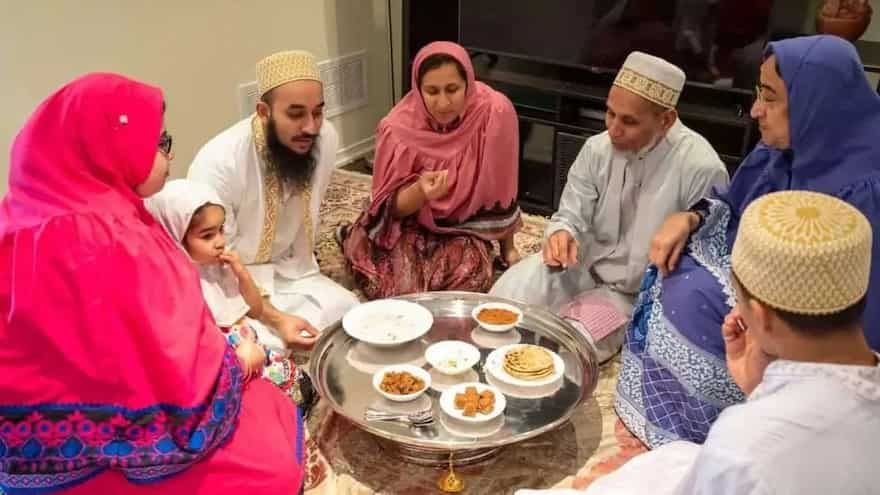 Image credit: Wikimedia Commons
Diwali And Dhanteras In The Gujarati Cultural Landscape
In Gujarat, Diwali marks the conclusion of the old Vikram Samvat year, with Bestu Varas ushering in the new one. The festive period includes Dhanteras, Kali Chaudas, Diwali, the Gujarati New Year and Bhai Bij. For Hindu families, these occasions are associated with specific religious observances, prayers and rituals. Dhanteras, for instance, is traditionally associated with the purchase of precious metals, utensils and household goods, while Diwali is marked by the lighting of lamps, festive meals and Lakshmi Puja. The Gujarati business community also observes Chopda Pujan, during which new account books are ceremonially worshipped before the beginning of a financial year. For Dawoodi Bohra families living in Gujarat, these celebrations form part of the wider cultural environment in which they live and work. Neighbourly relationships, business associations, friendships and shared community spaces create opportunities for exchanging greetings and festive food. Some households may participate in local festivities or prepare special meals during the holiday period, although there is no single community-wide Diwali ritual or prescribed Bohra Dhanteras menu. The greeting Saal Mubarak, commonly exchanged during the Gujarati New Year, is also familiar across Gujarat’s multicultural trading communities. Its use reflects the region’s long history of interaction between different religious and mercantile groups.
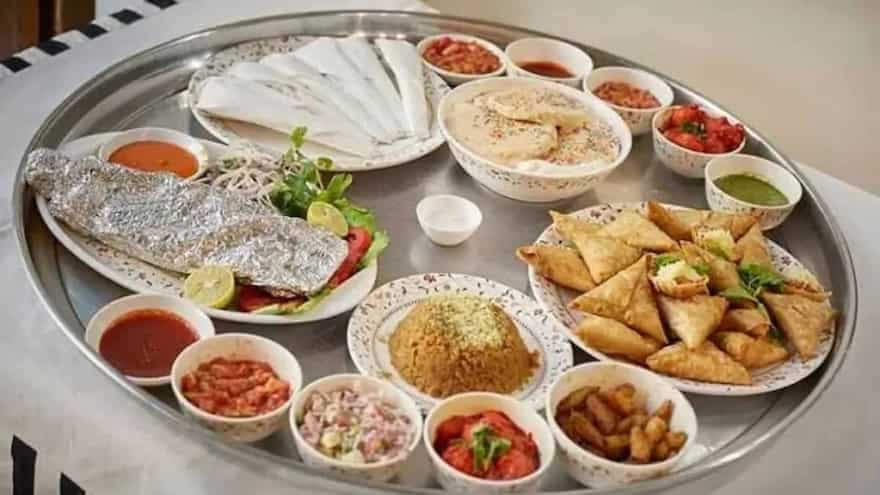 Image credit: Indpaedia
Bestu Varas And The Significance Of A New Beginning
Bestu Varas, also known as the Gujarati New Year, begins on Kartak Sud Ekam, the first day of the bright fortnight of the month of Kartak. For Gujarati Hindus, it is traditionally marked by visiting temples, meeting relatives, exchanging sweets and extending wishes for prosperity. Dawoodi Bohra families, meanwhile, have their own Islamic New Year, which begins with Muharram. Its significance is spiritual, with the beginning of the year followed by the solemn commemorations of Ashara Mubaraka. This distinction does not prevent Bohra families from participating in the wider social atmosphere surrounding Bestu Varas. In Gujarat, the exchange of greetings, visits to friends and business associates and sharing festive food are familiar expressions of goodwill. Such interactions are particularly relevant in cities such as Ahmedabad and Surat, where communities have lived and traded alongside one another for generations. The two New Year observances also demonstrate how a community can maintain its religious calendar while remaining closely connected to the cultural rhythms of its region.
How Dawoodi Bohra Families Participate In Diwali Celebrations
Long-standing mercantile relationships have connected Dawoodi Bohra, Hindu and Jain traders across Gujarat, creating some interesting overlaps during the festive season. Historically, many Bohra businessmen marked the Hindu New Year by opening fresh traditional red ledger books, known as chopdas, on Dhanteras or Diwali. However, instead of writing the customary Shubh Labh on the first page, they inscribe Bismillahir Rahmanir Raheem, meaning In the name of God, the Most Gracious, the Most Merciful, in ink at an auspiciously chosen muhurat. This adaptation of Chopda Pujan reflects their Islamic faith without involving the worship of Goddess Lakshmi. Beyond business traditions, many Bohra families also participate in the festive atmosphere by placing diyas along balconies and verandas, decorating their homes with lights, exchanging sweets and festive greetings, and joining neighbours for fireworks. Youth and student groups within the community may also organise festive outreach, sharing homemade sweets and artwork with friends and neighbours.
The Bohra Thaal: Food As A Community Tradition
One of the most recognisable aspects of Dawoodi Bohra culture is the thaal, a large communal platter around which approximately eight or nine people sit and eat together. More than a distinctive dining arrangement, it represents fellowship, equality and the importance of sharing food. Before a meal, diners traditionally wash their hands using a vessel called the chilamchi lota. The meal begins with a pinch of salt after the invocation Bismillah. Food is served in courses, with everyone sharing the dishes placed on the thaal. Traditionally, a sweet course comes first, followed by savoury preparations and the main meal, with fruit often served towards the end. The practice is significant during family celebrations, religious occasions and community gatherings. It also provides a natural setting for welcoming guests and strengthening relationships with friends and neighbours. Hospitality is central to Bohra food culture. Sharing a meal is considered an important expression of generosity, and feeding others is closely associated with religious and social responsibility. Community initiatives such as Faiz al-Mawaid al-Burhaniyah further reflect this emphasis on making nutritious meals accessible to members.
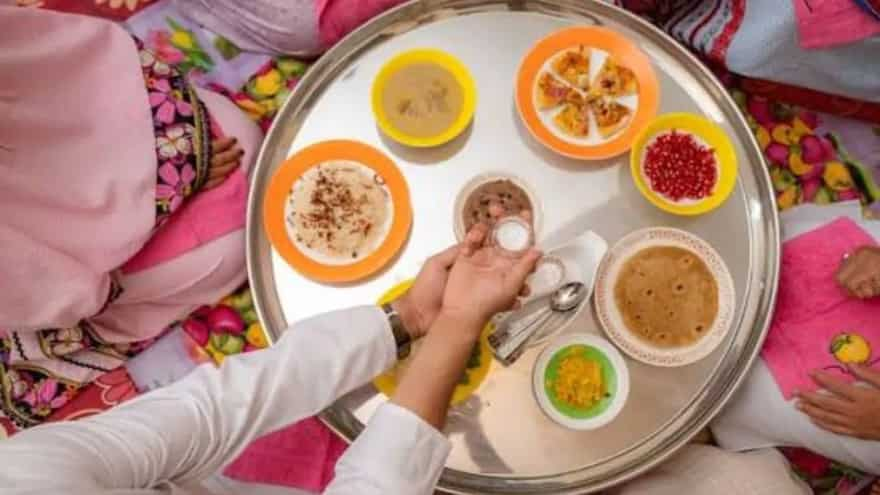 Image credit: Wikimedia Commons
Traditional Bohra Dishes And Festive Preparations
Bohra cuisine brings together Gujarati, Indian and Middle Eastern influences, with an extensive repertoire of meat-based and vegetarian preparations. Its celebratory meals are particularly known for their variety, layered flavours and carefully planned courses. Dal Chawal Palidu, commonly called DCP, is among the community’s best-known preparations. It combines lentils, rice and palidu, a soup-like preparation traditionally made using the water in which the dal is cooked. Bohra biryani, kheema samosas, kheema khichri, mutton kari chawal and laganya seekh are other popular dishes associated with the cuisine.
Sweets also occupy an interesting position in Bohra dining. Malida, made using wheat and jaggery, is an important traditional preparation, while sodannu, consisting of cooked rice combined with ghee and sugar, is associated with celebratory meals. Kalamro, a rice and yoghurt preparation, is another recognised speciality. These dishes should not be mistaken for a fixed Diwali menu. Rather, they represent the wider culinary repertoire from which Bohra families draw when preparing meals for special occasions. Depending on the household, celebrations may also feature regional Gujarati snacks and sweets, reflecting the family’s individual food preferences and local influences.
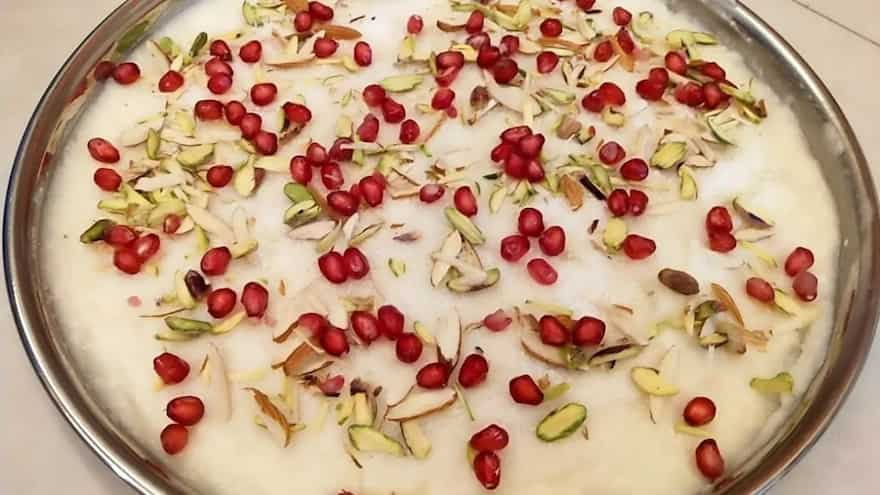 Image credit: Cook with Shireen
Sharing Sweets, Meals And Festive Hospitality
Food exchanges are an important part of Gujarat’s festive season. During Diwali and Bestu Varas, families commonly prepare or purchase sweets and savouries to offer visitors, relatives and neighbours. Mathiya, chorafali, ghughra and other traditional Gujarati snacks are popular across the region. For Bohra households, such exchanges can provide an opportunity to share their own culinary traditions with neighbours while enjoying familiar regional preparations in return. Their food culture already places considerable importance on hosting, communal dining and feeding guests, making the act of sharing particularly meaningful. The practice of niyaz, which involves offering food and feeding others, also holds an important place in Bohra life. It reflects the belief that food is a blessing to be shared rather than simply consumed. This philosophy extends beyond major celebrations and is expressed through everyday hospitality and community food initiatives.
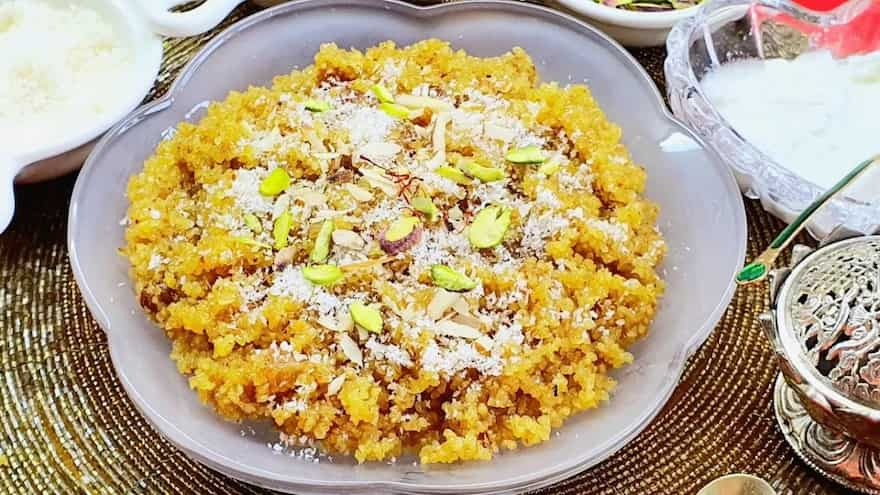 Image credit: Secret Superchef
A Festive Season Shaped By Faith And Regional Identity
The Dawoodi Bohra experience of Gujarat’s festive season cannot be reduced to a single set of Diwali rituals. Its character is better understood through the relationship between the community’s Islamic religious traditions, its Gujarati heritage and the social connections developed over generations. While Muharram and other occasions on the Hijri calendar remain central to Bohra religious life, the wider Gujarati festive season offers opportunities for social interaction, hospitality and cultural exchange. Food, particularly the tradition of gathering around a thaal, provides a meaningful expression of these connections. Ultimately, the story of Dawoodi Bohra food culture is as much about the people gathered around the table as it is about the dishes being served. It reflects a culinary identity shaped by migration, regional influences, family traditions and an enduring emphasis on sharing.




