


 Share
Share

For many families, Diwali preparations in Gujarat once began in kitchens that turned into small workshops for a few weeks every year. Women across neighbourhoods prepared mathiya, chorafali and other snacks in their homes, often working in groups or collectives. These were not formal businesses but local networks built on trust. Orders were usually placed through word of mouth. A neighbour would recommend someone’s mathiya, and soon, more families would visit that home to buy their share before the festival.
These snacks travelled widely. People packed them for relatives abroad or carried them on journeys across India. During those days, the recipes, the spices, and the careful timing of when to knead or rest the dough were passed between generations. The process of making mathiya was slow, careful and full of personal touches that came from experience.
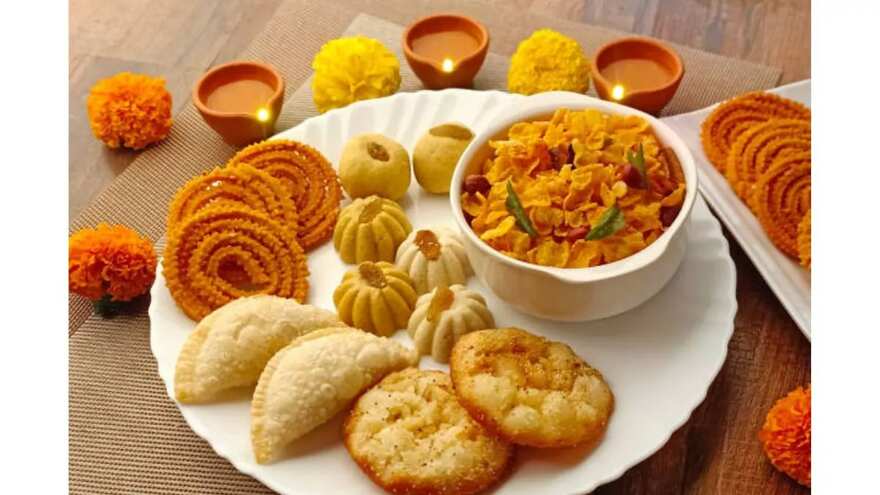
Image credit: Freepik
The Growth Of An Industry
Over time, this small-scale practice started to expand. The demand for ready-to-fry festive snacks increased, and with it came opportunities for organised production. Speaking to a representative from Kirtiraj Mathiya, an Anand-based company, reveals how this shift unfolded. The business began when Ashok Patel’s mother started selling handmade mathiyas from her own kitchen. Her skill and consistency led to growing interest among customers, and gradually the small home setup became a recognised local brand.
Today, Kirtiraj Mathiya has outlets in several cities including Baroda, Anand, Surat and Ahmedabad. The production process is supported by machines that help in shaping and drying the dough more efficiently. The company caters to families who prefer ready-to-fry options, making it easier for them to maintain the festive tradition without spending long hours in preparation. This change represents how Gujarat’s farsan industry has developed to match both the pace of modern life and the growing market for festive foods.
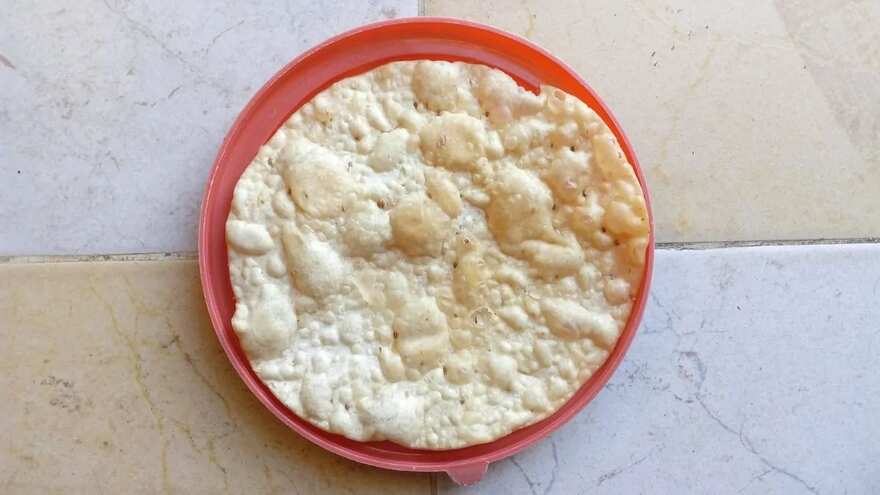
Image credit: Wikimedia Commons
Also read: Diwali 2025: Celebrate With Chef Meghna Kamdar’s Nutty Mithai Recipes
Jagdish Farsan And The Legacy Of Tradition
If Kirtiraj represents the transition from home enterprise to organised industry, Jagdish Farsan embodies the enduring legacy of farsan in Gujarat’s culinary identity. Established in 1938, the Baroda-based brand began in an Amdavadi pol as a modest seller of bhakarwadi and chorafali. Over nearly a century, it has grown into one of Gujarat’s most trusted names in snacks, with over a hundred outlets across the state and presence in airports, malls, and gifting catalogues.
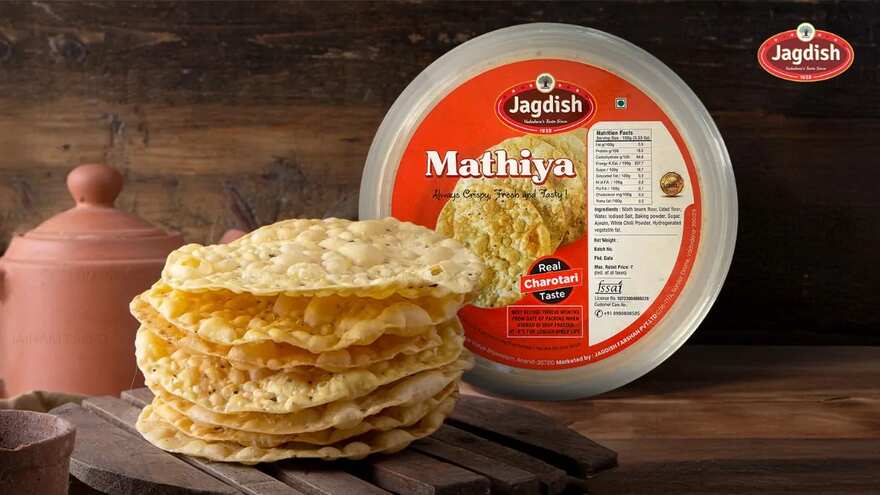
Image credit: Jagdish Farsan
A representative from Jagdish Farsan recalls how their seasonal rhythm aligns with Gujarat’s festive calendar. The production of mathiyas, kaju katli, and soan papdi typically begins around Navratri and Dussehra, continuing well past Diwali. The rush is immense, families come not just to buy snacks but to participate in a ritual that marks the season’s spirit. During these weeks, shelves overflow with hundreds of snack varieties, from traditional farsans to contemporary fusions, reflecting how Gujarati cuisine constantly reinvents itself without losing its cultural core.
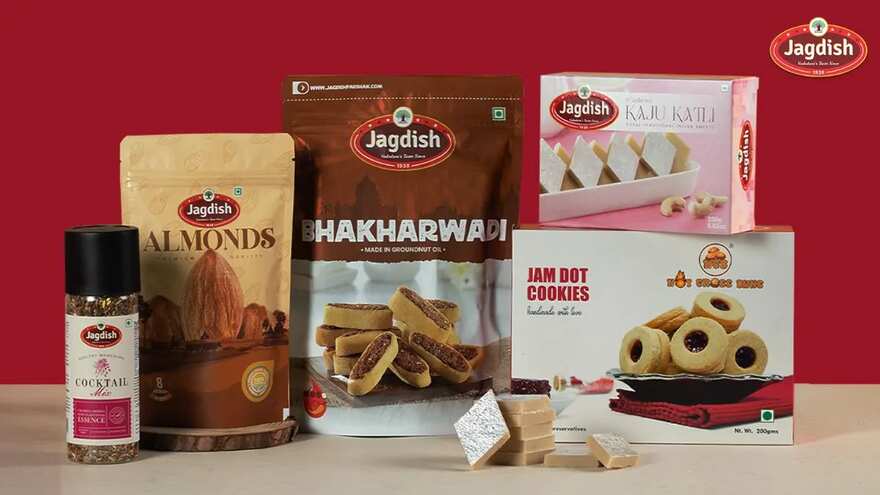
Image credit: Jagdish Farsan
Today, Jagdish Farsan stocks over 500 different farsan and snack items across its stores. Their product range extends far beyond traditional Gujarati snacks, featuring premium hampers, corporate gifting collections, gourmet treats, imported chocolates, specialty coffees, and more. The expansion shows how farsan culture in Gujarat has grown to meet new tastes while keeping its roots firmly in tradition.
Modern Production And Changing Preferences
What stands out about Gujarat’s farsan ecosystem is its ability to evolve while preserving sentiment. Even as automation and large-scale manufacturing take centre stage, the essence of Diwali snacking remains unmistakably emotional. For many, mathiya isn’t just a snack; it’s nostalgia, a tangible reminder of festive mornings when families gathered in courtyards, and the air was filled with the comforting smell of freshly fried snacks.
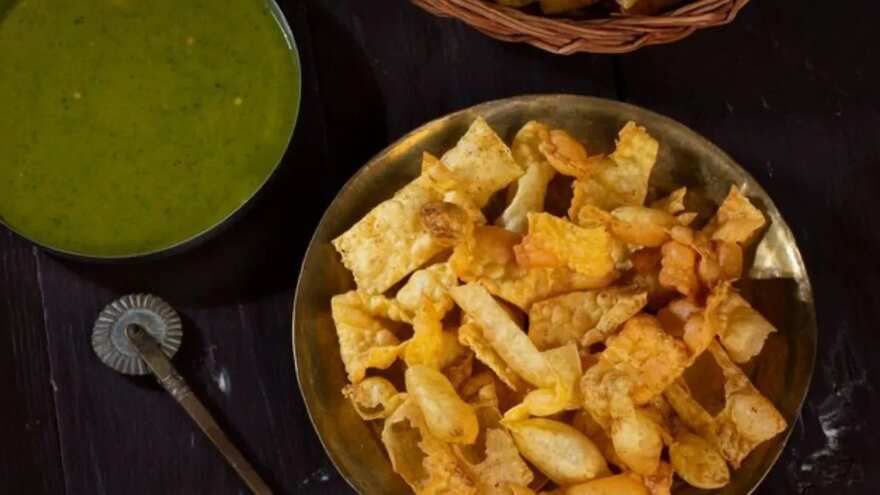
Image credit: Freepik
Today, that nostalgia continues, though in a more structured form. Companies invest in advanced machinery, vacuum-sealed packaging, and international exports. The market has deepened, catering not only to Indian households but also to diaspora communities abroad who eagerly await their annual shipment of festive snacks. At the same time, local shops and newer start-ups experiment with flavour infusions and healthier versions, introducing baked or low-oil mathiyas to suit modern preferences.
The Women Behind The First Batches
It’s impossible to talk about mathiya without acknowledging the women who, often unknowingly, laid the foundation for this industry. These were homemakers who saw opportunity in tradition, transforming culinary expertise into self-sustaining ventures. Their informal networks were the original supply chains, based not on branding or marketing but on trust and quality.
In many ways, they were early examples of grassroots entrepreneurship long before the term became fashionable. Their legacy lives on not just in the snacks themselves but in the entrepreneurial spirit that defines Gujarat’s culture today. The farsan industry’s success owes much to their quiet determination and their ability to turn festive necessity into livelihood.
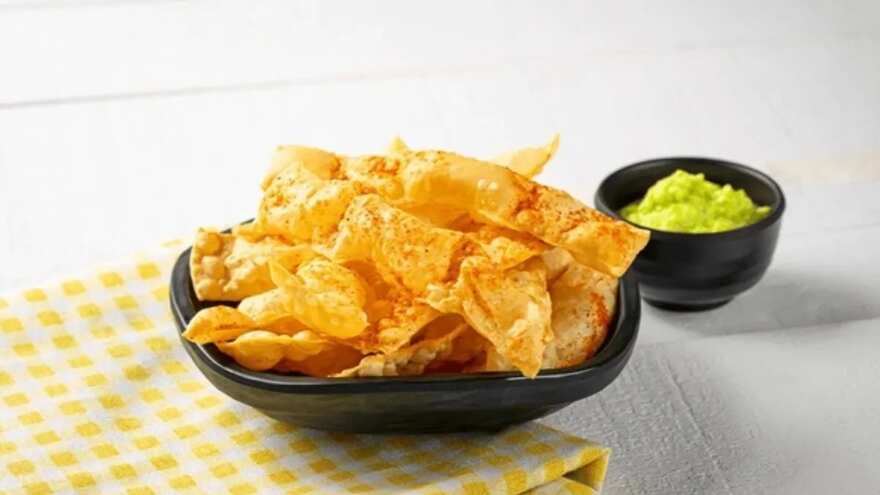
Image credit: Freepik
Looking Back To Look Forward
As we celebrate Diwali today with store-bought snacks and neatly boxed hampers, it’s worth pausing to remember where this journey began. Each crisp bite of mathiya carries a story, of kitchens that once buzzed with chatter, of women rolling dough by hand, of neighbours exchanging tins filled with the season’s first batch. The transformation from small-scale home operations to multi-outlet food enterprises tells us much about Gujarat’s evolving relationship with food, entrepreneurship, and identity. It’s a story of scale, yes, but also of continuity.
In the end, the evolution of mathiya is a reflection of how communities adapt, how traditions endure, and how a humble festive snack can embody the entrepreneurial pulse of an entire state. And as every Gujarati household prepares for Diwali, frying, gifting, or simply reminiscing, the spirit of those home kitchens still lingers, reminding us that the flavour of tradition can never truly fade.




