Share
Share

Lakshmi Puja is an important part of Diwali celebrations. It is the time when houses across India shine with diyas, devotion, and the fragrance of traditional festive meals. Every part of the country honours Goddess Lakshmi with some special sacred offerings that are simple and symbolic in meaning. From Bengal’s sweet Narkel Naru to Tamil Nadu’s ghee-loaded Sakkarai Pongal and South India’s creamy Payasam, these dishes represent not only the devotion but also the various culinary traditions of India.
In parts of North India, kheel, poha, and jaggery represent humility and virtue; meanwhile, in Maharashtra, besan ladoos carry warmth and prosperity. Every offering holds a message of appreciation, thankfulness, and sweetness, the core of the festivities. Together, these specialities make Lakshmi Puja turn the ritual into a celebration of unity in taste, belief, and festivity.
Poha And Kheel, North India
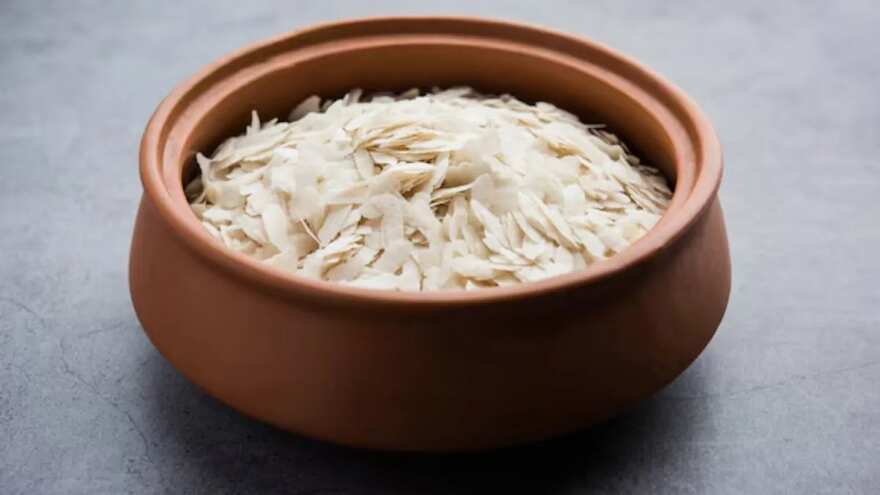
In many parts of North India, poha (flattened rice) and kheel (puffed rice) are offered to Goddess Lakshmi during the Lakshmi Puja. These offerings represent gratitude towards nature's bounty. Piared with jaggery (gud) or sugar, they hit a perfect balance of sweetness along with some crunch. The light airy texture represents abundance. Offered along with fruits and some dry nuts, this ritual beautifully combines devotion with everyday comfort food and flavour.
Narkel Naru, West Bengal
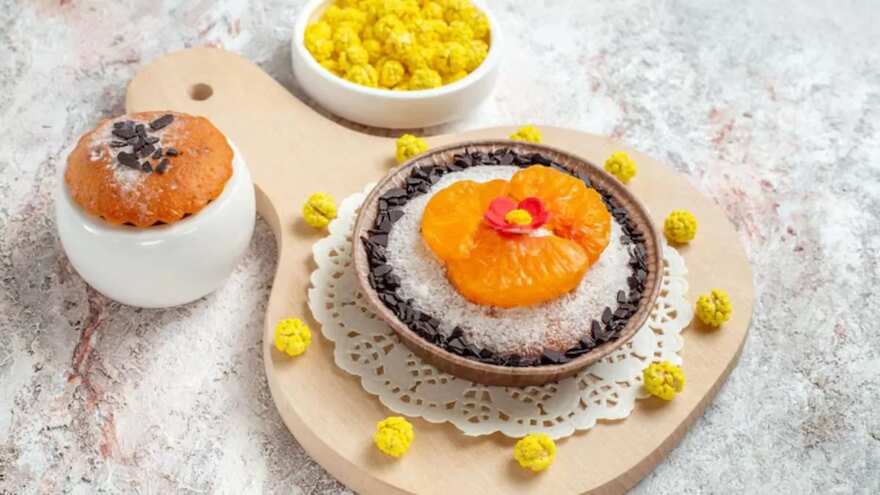
In West Bengal, Narkel Naru, or coconut ladoos, are a holy must-have offering during Lakshmi Puja. Prepared with grated coconut and jaggery, these sweets embody the essence of purity and sweetness. The soft, chewy texture and caramel taste make these treats both festive and comforting. Coconut is considered auspicious, representing prosperity and seeking divine blessings. These coconut sweets are prepared at home and offered to Goddess Lakshmi, and then shared with friends and family, showing a gesture of warmth and familial love.
Besan Ladoo, Maharashtra
Besan Ladoo has a special place during the Lakshmi Puja in Maharashtra. Prepared with roasted gram flour or besan, ghee, and sugar, it fills the homes with its nutty fragrance. The round shape of ladoo and the sweet taste represent prosperity. Garnished with nuts, these melt-in-the-mouth delights represent both indulgence and devotion. Offering them to Goddess Lakshmi is considered to bring sweetness, peace, and abundance in the household, making them an important part of Diwali feasts.

Payasam, South India
In parts of South India, Payasam, a creamy, sweet pudding prepared with milk, jaggery, and rice or vermicelli, is offered as part of Lakshmi Puja offerings. It is a smooth consistency and is infused with ghee-roasted cashews and cardamom, which represent wealth and divine satisfaction. Traditionally cooked in a brass vessel, Payasam is not just a dessert, but is a sign of warmth and wholesomeness during festive rituals. Served as an offering during the Lakshmi puja, it connects families, strengthening the spirit of sharing that marks the importance of Diwali in southern homes.
Sakkarai Pongal, Tamil Nadu
Sakkarai Pongal is a sweet rice dish that is prepared with jaggery, ghee, and moong dal. It is an important offering to Goddess Lakshmi in Tamil Nadu. The golden colour and buttery fragrance represent wealth and happiness. The smooth, comforting texture of the dish makes it satisfying, whereas the sweetness symbolises divine blessings and satisfaction. Traditionally prepared during festivities, it is cooked in earthen pots and shared with loved ones, connecting devotion, taste, and wealth in every bite.