


 Share
Share

The landscape of Indian cuisine is a vast and intricate tapestry, woven with threads of regional specialities, ancient traditions, and a remarkable ability to adapt to historical shifts. Within this diverse culinary map, certain dishes stand out not just for their taste, but for the unique method of their preparation. Among these, Jalfrezi occupies a distinctive position. It is a dish that defies the common perception of Indian food as being solely comprised of slow-cooked, gravy-heavy stews. Instead, Jalfrezi brings a sense of urgency and freshness to the table, characterised by its vibrant colours, crunchy peppers, and a signature tang that awakens the palate. The dish is a celebration of the stir-fry technique, a method that preserves the integrity of individual ingredients while coating them in a concentrated, spicy glaze. To the modern Indian diner, Jalfrezi represents a perfect balance of heat and texture, offering a sensory experience that is both familiar and exciting. However, behind its popularity lies a deeply researched history of domestic ingenuity and cross-cultural exchange. It is a dish born from the collision of local Bengali culinary habits and the specific demands of the colonial era.
Origins In Colonial Bengal
The history of Jalfrezi is fundamentally rooted in the socio-economic environment of colonial Bengal, specifically within the bustling urban centre of Kolkata. To understand its genesis, one must look at the etymology of the name itself. The word is a linguistic hybrid, combining the Bengali term jhal, meaning spicy or hot, with phrezi, a localised adaptation of the English word fry. This linguistic fusion points directly toward a period where traditional Bengali cooking techniques were adapted to suit the tastes and logistical needs of a new ruling class.
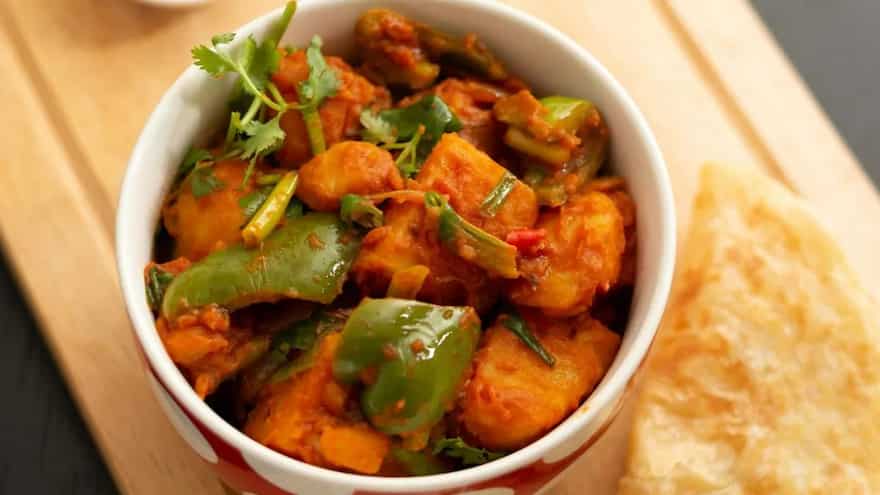
Image credit: Pexels
Historically, Jalfrezi did not begin as a formal recipe in a royal court or a rural village. Rather, it emerged within the kitchens of British officers and administrators stationed in Bengal. During the 19th century, the British practice of roasting large joints of meat: beef, mutton, or poultry was common. In the humid climate of Kolkata, and in an era long before modern refrigeration, the management of leftovers was a daily challenge for the household staff.
The Indian cooks, known as khansamas, who worked in the kitchens of British officers clubs and private bungalows, were tasked with transforming the previous night’s cold, dry roasted meat into a breakfast or lunch dish that was palatable. Their solution was ingenious. By shredding or dicing the cold meat and tossing it into a hot pan with plenty of oil, they utilised a high-heat frying method. To mask the dullness of the leftover meat and provide a fresh zing, they added a generous amount of slit green chillies, onions, and seasonal vegetables. This departure from the traditional bhuna or gravy-based curry was revolutionary; it was effectively the first instance of an Indian stir-fry designed to satisfy the British palate while utilising local spices.
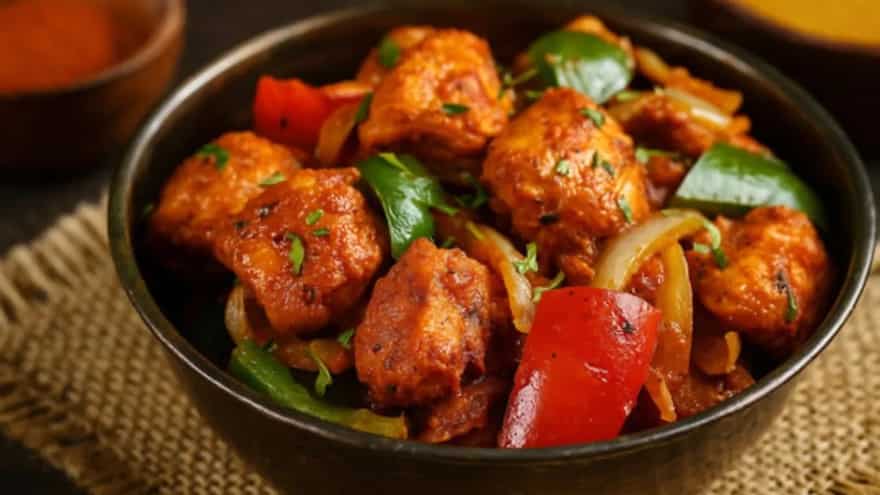
Image credit: Adobe Stock
The Migration And Reinvention In Britain
While Jalfrezi was born in the clubs and bungalows of Bengal, its journey did not end there. As the colonial era drew to a close, the recipe travelled back to Britain with returning officials and their families. However, it was during the mid-20th century, with the wave of migration from the Indian subcontinent to the United Kingdom, that the dish underwent its most significant reinvention.
In the early British Indian restaurants, many of which were owned by entrepreneurs from the Sylhet region of Bangladesh, Jalfrezi was identified as a dish that could bridge the gap between traditional spice levels and the Western desire for recognisable textures. The dish was adapted from a humble leftover recovery meal into a sophisticated restaurant staple. The meat was no longer pre-roasted; instead, fresh chicken or lamb was seared at high heat to order. The addition of bell peppers (capsicums) became a standard feature, providing a visual vibrance that appealed to the growing British curry culture.
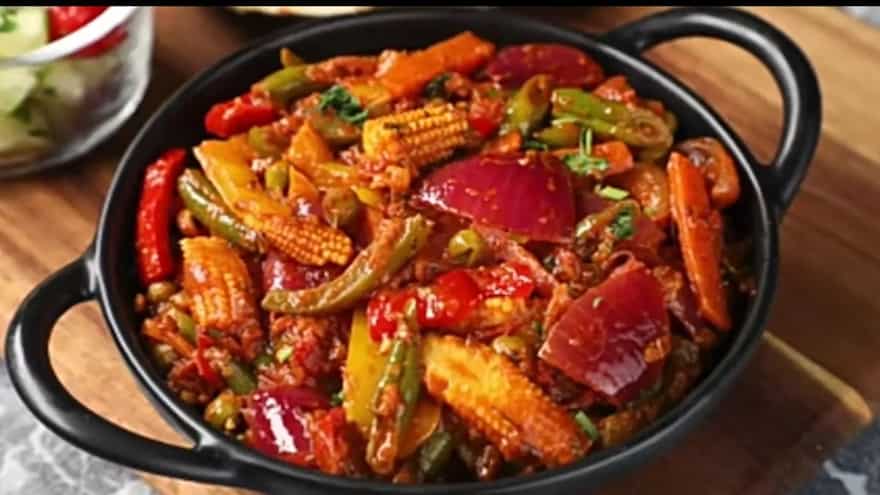
Image credit: Wikimedia Commons
By the late 1980s and 1990s, Jalfrezi had become so popular in Britain that it consistently ranked among the top three most ordered dishes, often rivaling or even surpassing Chicken Tikka Masala in popularity polls. It became the benchmark for a medium-to-hot curry, praised for its dry consistency and the freshness of its ingredients. This migration turned a colonial kitchen hack into a global culinary icon, which eventually filtered back into the menus of upscale Indian hotels and restaurants, completing a full circle of culinary evolution.
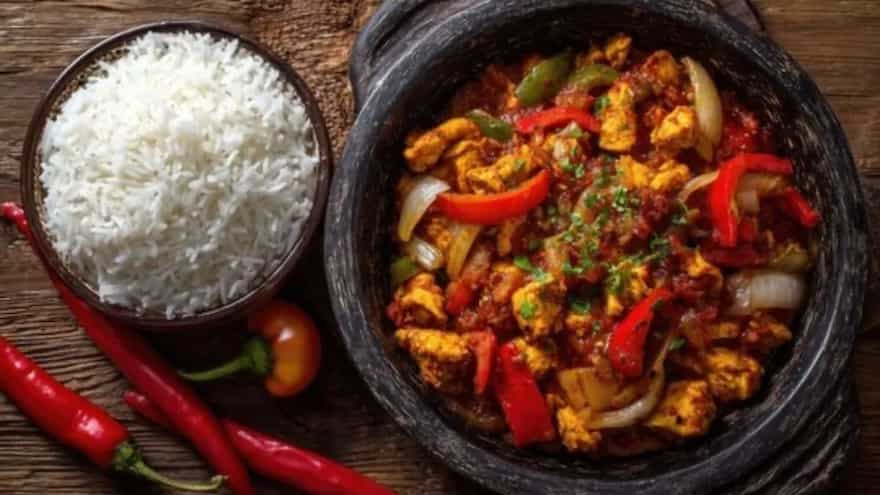
Image credit: Adobe Stock
Key Components Of An Authentic Jalfrezi
While there is room for personal preference, a true Jalfrezi is defined by several non-negotiable characteristics that separate it from a standard curry:
• The Heat Factor: A Jalfrezi must be hot. The spice comes primarily from fresh green chillies that are slit or sliced, providing a sharp, immediate zing rather than the deep, earthy heat of dried red chillies.
• The Crunch: Texture is paramount. In a Jalfrezi, the onions and bell peppers are added toward the end of the cooking process. They should be softened but still possess a distinct snap when bitten.
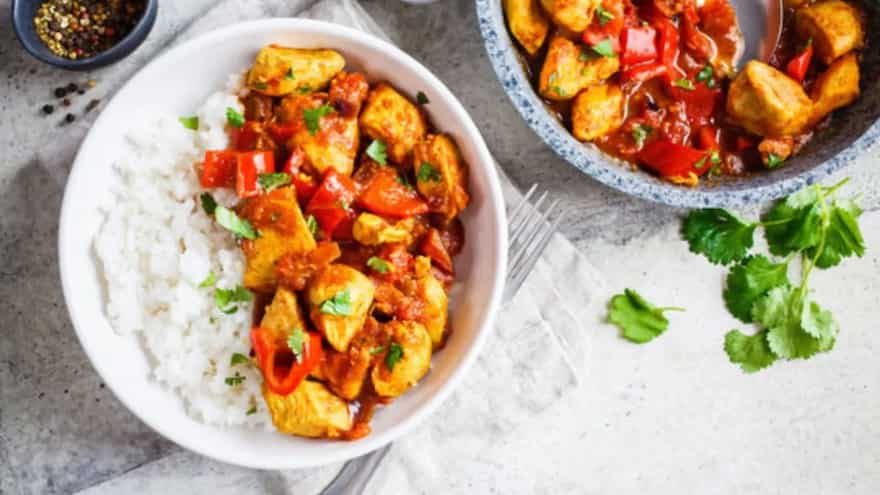
Image credit: Adobe Stock
• The Tang: A defining feature is the acidic lift. This is usually achieved through a touch of vinegar, a squeeze of lemon, or the inclusion of slightly under-ripe tomatoes. This acidity cuts through the oil and balances the heat.
• The Consistency: It is a semi-dry dish. There should be enough thick, spicy coating to cling to the main ingredients, but there should be no loose gravy at the bottom of the plate.
Variants You Can Make At Home
The beauty of Jalfrezi is its versatility. Whether you are using meat, dairy, or a medley of seasonal vegetables, the technique remains consistent. Here are three distinct versions to try:
1. The Classic Chicken Jalfrezi
This version is a staple of restaurant menus. To achieve the best results at home, use boneless chicken strips. Start by marinating the chicken in turmeric, salt, and a little oil. In a heavy-bottomed pan, heat oil and sauté cumin seeds. Add a paste of ginger and garlic along with finely chopped onions, cooking until they turn a light golden brown. Increase the heat and add the chicken, searing it to lock in the juices. Add a mixture of cumin powder, coriander powder, and red chilli powder. Just as the chicken is cooked through, toss in large cubes of red and green bell peppers. Stir-fry on maximum heat for two minutes, finish with a splash of malt vinegar, and garnish with fresh coriander.
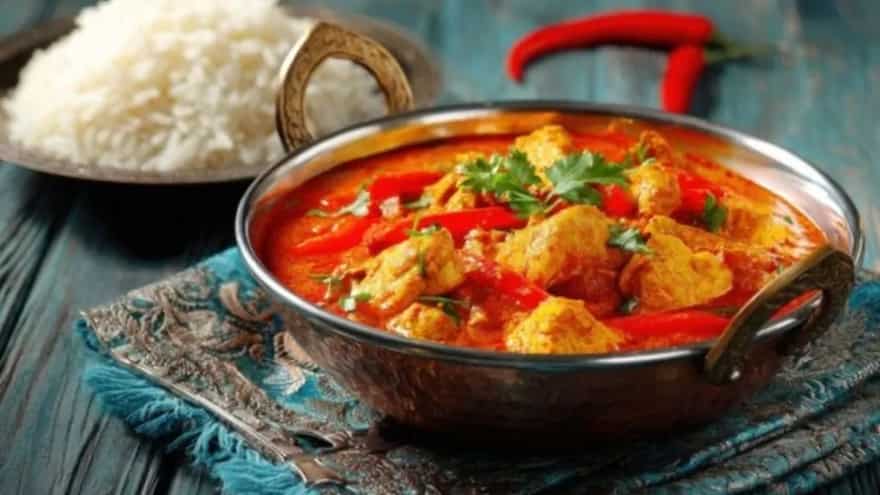
Image credit: Adobe Stock
2. Paneer and Vegetable Jalfrezi
Paneer is the perfect canvas for the bold flavours of a Jalfrezi. For this variant, it is highly recommended to lightly sauté the paneer cubes in a separate pan until the edges are golden. For the vegetable base, use a mix of carrots, baby corn, and beans alongside the traditional peppers. Cut all vegetables into long, thin strips to ensure even cooking. The addition of a small amount of tomato purée during the spice-frying stage helps create a thick glaze that coats the paneer and vegetables perfectly.
3. Prawn Jalfrezi
Prawns are ideal for Jalfrezi because they naturally suit the quick, high-heat cooking style. Because prawns cook so rapidly, the spice base and vegetable mix should be almost entirely ready before the prawns are added to the pan. Use fresh, cleaned prawns and toss them in at the very last stage. The natural sweetness of the prawns creates a beautiful contrast with the sharp vinegar and the heat of the chillies.




