


 Share
Share

Liqueurs are honestly the unsung MC of cocktail culture, and every region's got its signature bottle with a whole backstory nobody fully knows. But the one that's been living its best era lately is cynar. This particular liqueur from artichoke, yes, really, it shouldn't work, yet here we are. Bartenders are sneaking it into old-fashioneds, tiki drinks, even espresso martinis for that deep, bitter-roasted vibe that cuts sugar without screaming for attention. Honestly, a cynar and tonic might be the most slept-on order at any bar now. With keeping that in mind, let’s tap into how cynar is made, what it is, and its various uses in cocktails which you can create at home.
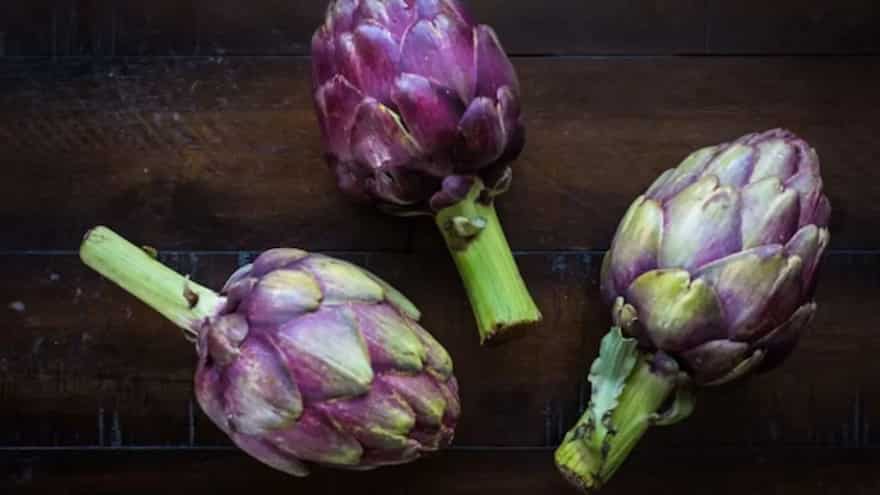
Image Credit: Unsplash
Historical Roots Of Artichoke Liqueur Cynar
When it comes to amari, cynar stands out as a one-of-a-kind and adaptable herbal liqueur that has won over the hearts of cocktail and digestif connoisseurs all over the world. Cynar, with its characteristic artichoke logo and robust flavours, is an intriguing combination of history, tradition, and rich flavour. Angelo Dalle Molle, a businessman and visionary in the fields of linguistics and artificial intelligence, created one of the most modern, traditional Italian amari in Venice in 1952.
In traditional Italian circles, who preferred their apertivi red and their spritzers pink, he mislabeled and sold the complex, bittersweet and extremely low proof at 34% drink as an apertivo. The term "Cynar" comes from Cynara scolymus, the scientific name for the artichoke, which is one of the main ingredients. This differs from vermouth in that the foundation is high-proof grain alcohol rather than wine. The addition of artichokes to the soaked ingredients gives this drink a distinct flavour profile when compared to Fernet. Many years later, when Americans stopped ordering sugary-sweet cocktails and began to appreciate bitter drinks like negronis, high-end cocktail bars such as Chicago's Violet Hour began experimenting with various bitter Italian digestifs.
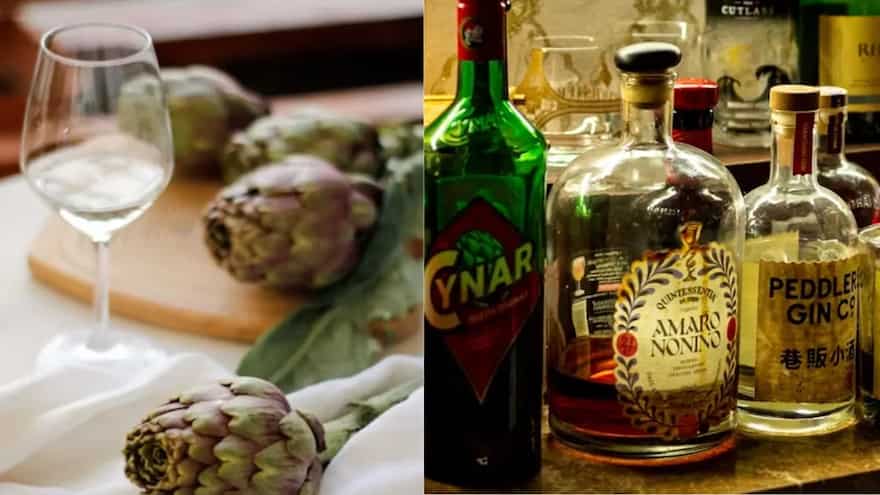
Image Credit: Unsplash
Chefs and sommeliers are aware that meals using the bitter artichoke can be difficult to match with wine because they contain cynarine, a chemical ingredient that makes foods ingested with them taste strangely sweet and one-dimensional. However, this bitter acid adds a distinct aspect to the flavour of Cynar, combining with its thirteen botanicals to produce a beverage famous in the spirits industry.
Why An Artichoke Liqueur?
There is proof, according to FoodMatters.tv, that artichokes truly aid in digestion, which is the purpose of a digestivo, not just "another way to keep drinking." Artichokes are said to have helped the ancient Greeks and Romans with their digestion. If you need more proof, Martha Stewart herself or perhaps one of her scared interns, says that the chemicals in artichokes can assist the liver in doing its everyday job of eliminating toxins, which is fantastic, god bless your livers! Additionally, it has the effect of making other things taste sweeter, which seems rather helpful in the hazy, spicy setting of a digestivo.
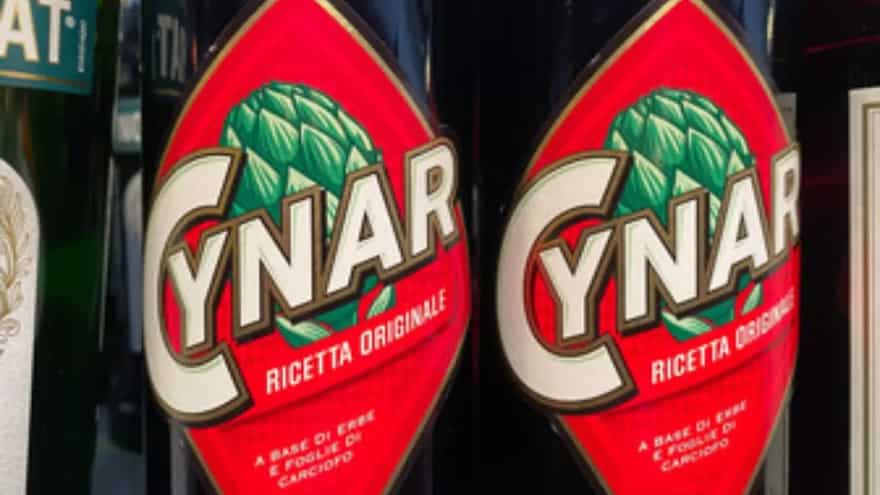
Image Credit: Adobe Stock
Is the flavour of Cynar similar to that of artichokes? No. However, it does provide cocktails a complex, bitter, and vegetal element, and bartenders like using Cynar when experimenting with new beverages. It's unique and elegant, and the bottle looks great on the shelf. What makes Cynar fascinating today is how it's been completely reinvented by the modern cocktail world, and these cocktails can be the starting point:
5 Cocktails Using Artichoke Liqueur Cynar As The Base Ingredient
Cynar Julep
Search for a cocktail recipe with Cynar, and the first one that comes up is Cynar julep, right at the top! Compared to its whiskey-based competitors, the majority of Cynar julep recipes usually don't require a direct 1:1 Cynar for whisky switch. Club soda, grapefruit juice and a few more additives are also present in most variants. Yet, if you are a traditional whiskey-forward Mint Julep drinker, it's a lighter, lengthier, lower-proof beverage that resembles an Americano or any other bittered highball.
Classic Cynar & Tonic
The combination of Cynar and tonic water is "unbelievable." "The sweetness in Cynar kind of disappears and is replaced by all the floral flavours and quinine from the tonic. It's a powerful beverage. A gin and tonic with less alcohol is called a Cynar and tonic. A lemon slice elevates the fizzy beverage and counteracts its sweetness.
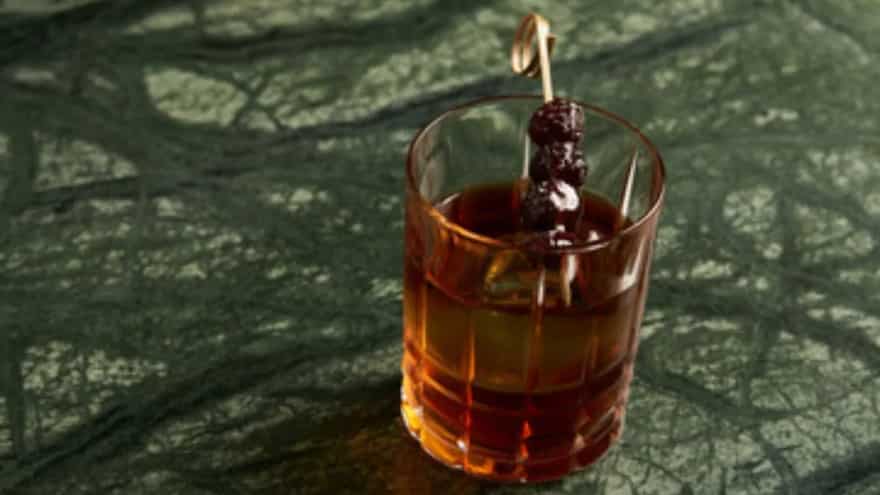
Image Credit: Adobe Stock
Artichoke Cynar Hold
What is the first thing that springs to mind when you think about Amari drinks? It's likely a slow-sipping, herbal, bitter flavour that takes some getting used to. In fact, Cynar can create a really tasty tiki-style beverage that will make you fall in love with it right away. This cocktail recipe is created with a glass of tiki fun that has elderflower liqueur and the unusual key ingredients Cynar and St. Germain. The Jamaican rum and sweetness make the artichoke feel unexpectedly at home. The orgeat gives whatever cocktail it's in a significant twang that gives it a tiki flair.
Cynarita
The first sip tastes much like a typical margarita, that is, of lime, a hint of salt, and the well-known tequila bite. However, this dark, bitter-herbal wave sweeps in below and barely hovers for a little while. It is rather vegetal and even smokey, like the strange yet endearing offspring of a margarita and an after-dinner espresso. Although the sweetness softens the drink, there is always a dry, almost medical edge that prevents it from being completely sugary. It's less “fun and fruity” and more "complex and a little moody," which, to be honest, makes it taste more mature than a typical margarita without sacrificing the zesty, refreshing flavour that makes you want another one.
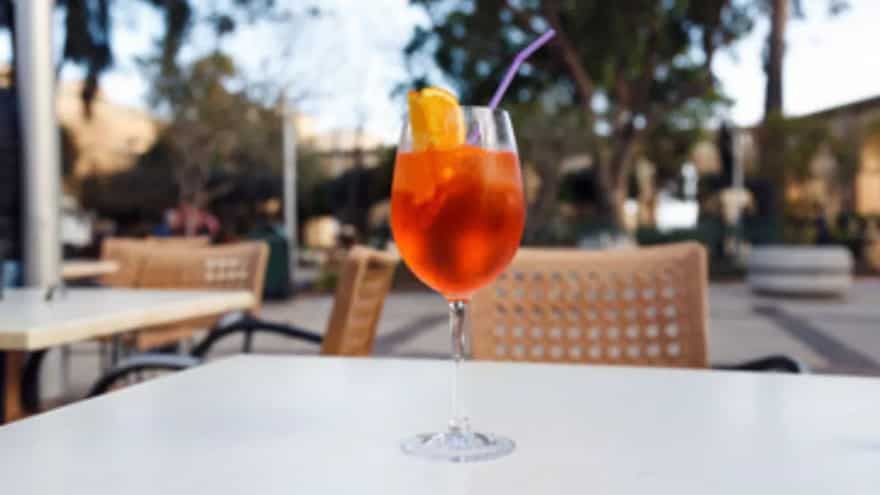
Image Credit: Adobe Stock
Cynar Sangria
A Cynar sangria is a delicious method to persuade reluctant drinkers to try Cynar; however, not all sangrias utilise it. Employing what you have on hand and employing taste and balance are key components to a perfect sangria. Spirits, liqueurs, wines, and juices can be combined in a variety of ways to produce a delectable sangria-style punch. The primary ingredient in Cynar, artichoke, gives it a bitter, earthy, and vegetal flavour that, when combined properly, is surprisingly smooth.




