


 Share
Share

Mixer grinders hold an important place in Indian kitchens because they manage tasks that support both everyday cooking and practical home baking. Many people rely on the appliance when they want desserts that develop through direct and manageable steps, and the grinder offers enough power to handle early processes such as blending, pulsing and mixing. Usha's mixer grinders also provide strong performance for these functions, and this can ease the work involved in producing mixtures that influence texture and structure. A mixer grinder cannot complete every stage of baking, but it can handle several crucial steps that often require effort or specific equipment. Home bakers who recognise these capabilities adapt many recipes to suit the appliance, and they find that the workflow becomes more efficient when the tool is used with attention to temperature, timing and quantity.

Image credit: Pexels
Using A Mixer Grinder For Smooth Batters
Baking recipes usually depend on smooth batters formed from flour, liquids, fats and flavouring agents. A mixer grinder can handle these combinations through short pulses that distribute dry and wet ingredients without excessive agitation. Overmixing can toughen the final product, so the goal involves short and controlled pulses. Sifting flour beforehand supports aeration, and wet ingredients can be added gradually to prevent clumping. This approach works for quick cakes, simple loaves and everyday muffins made for family gatherings. The jar size influences temperature, and pauses between pulses help maintain control. These methods create a workable batter that sets properly in the oven and retains an even texture. The process remains practical because most Indian households keep the required ingredients at hand.
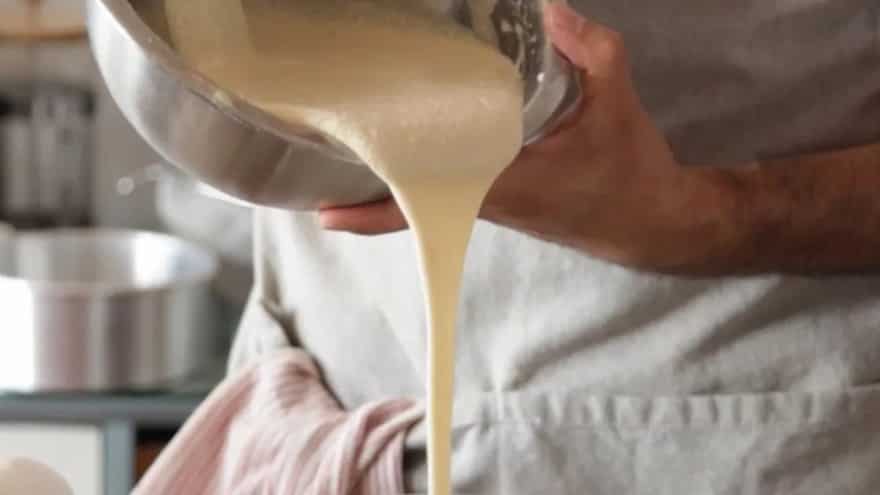
Image credit: Pexels
Creating Fast Biscuit And Crumb Mixtures
Many no-bake desserts rely on biscuit crumbs as a foundation, and a mixer grinder can transform digestive biscuits, crackers or traditional cookies into fine crumbs within minutes. The same jar can combine these crumbs with melted butter or ghee to form a cohesive mixture suitable for cheesecakes, tarts or layered puddings. Short bursts prevent clumping, and the lid should remain secure throughout the process. Bakers can refrigerate the mixture briefly to firm it before pressing it into a mould. This technique helps when preparing desserts for unplanned guests because it allows rapid assembly without extended effort. The crumb base supports fillings that require structure, and it introduces texture that works well across chilled desserts.
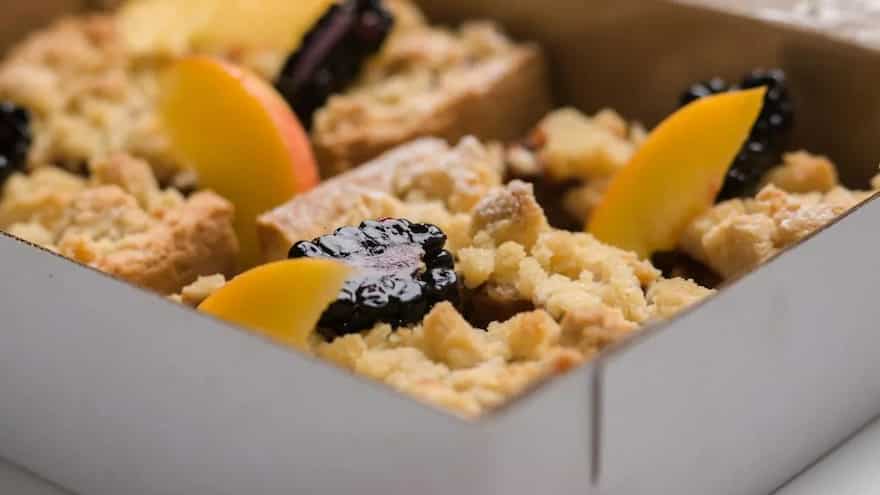
Image credit: Pexels
If you don’t have Usha’s Colt Prime Mixer Grinder, Shop Now 
Making Nut Pastes And Flavoured Mixes
Nut pastes contribute richness to desserts, and they work in halwa adaptations, cookies and festive sweets. A mixer grinder can turn almonds, cashews or pistachios into smooth pastes when combined with small amounts of milk or water. The process calls for patience because nuts release natural oils, and the jar should be opened occasionally to scrape down the sides. Many Indian sweets rely on these nut pastes, and the grinder accelerates their preparation significantly. Lightly roasting the nuts beforehand enhances flavour and improves shelf life. Bakers can also create flavoured blends with cardamom, saffron strands or cocoa powder by pulsing them into the paste. These mixes support creative variations of traditional sweets and baked treats suited to celebrations.
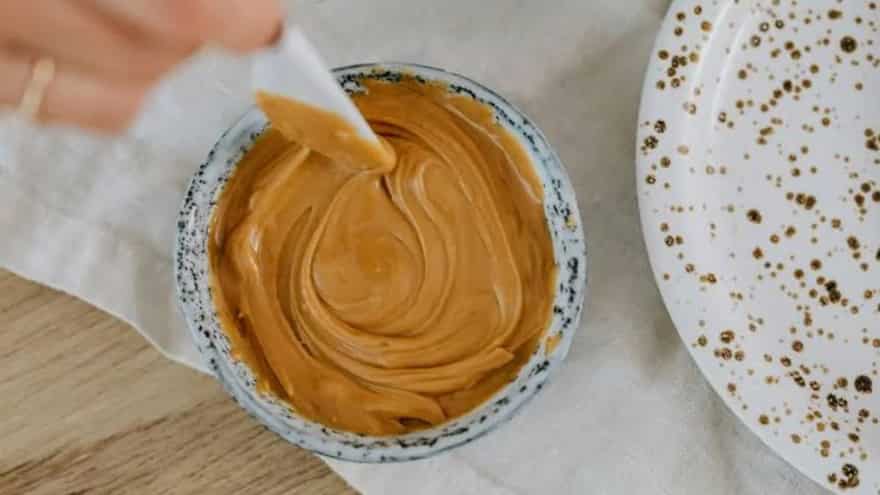
Image credit: Pexels
Preparing Quick Fruit Purées
Fruit purées introduce moisture, sweetness and acidity to cakes, puddings and chilled preparations. A mixer grinder can break down ripe bananas, mango segments, strawberries or steamed apples into smooth purées that blend easily into dessert bases. Fruits generally release enough liquid on their own, so minimal additional moisture is needed. Bakers can strain the purée if they require a smoother finish for custards or mousses. Fruit purées also support lighter dessert variations because they reduce the need for large quantities of added sugar. Indian households often keep seasonal fruits readily available, which makes this method convenient. The purées can be stored in the freezer in small portions and used when needed.
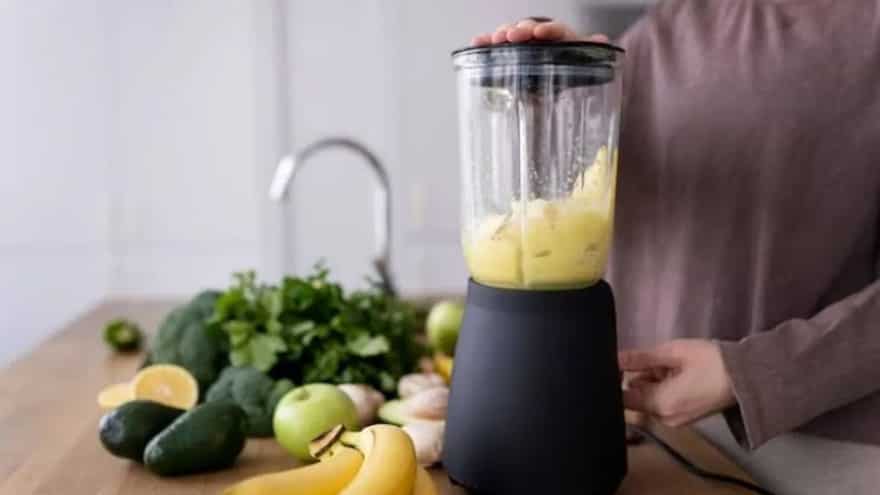
Image credit: Pexels
Blending Homemade Spreads And Quick Fillings
A mixer grinder can help produce spreads and fillings used as layers or toppings for cakes, puddings and simple bakes. Chocolate spreads, caramel blends and basic cream mixtures form through controlled pulsing. Bakers can combine melted chocolate with cream or condensed milk to create a quick ganache-style mixture. Caramel blends can be made by grinding jaggery syrup with softened butter until smooth. These mixtures do not behave like professional confectionery fillings, although they remain effective for home baking needs and small-batch desserts. The jar should stay cool, so brief pauses are essential. The mixtures can be chilled to thicken and applied with a spoon or spatula for uncomplicated assembly. Such spreads prove useful for celebrations, casual gatherings and everyday sweet cravings.

Image credit: Pexels




