


 Share
Share

The term umami is used in global food writing to describe the deep savoury flavour that lingers on the tongue. While soy sauce, mushrooms and parmesan cheese are commonly given as examples, Indian ingredients have been working with this taste for centuries. Our cooking relies on ingredients that ferment, caramelise or concentrate natural sugars and proteins, all of which release the same satisfying taste. In India the idea may not always be named, yet the flavour is instantly recognised when a dish feels complete and layered.
Fermented Foods In Indian Kitchens
Fermentation has been part of daily Indian cooking for centuries. In South India, idli and dosa batter ferments overnight, releasing tang and depth that balance with chutneys and sambars. In Gujarat, khatta dhokla rises through fermentation, giving a fluffy texture and sharp taste that is far more complex than a plain steamed cake. In Nagaland, akhuni or fermented soya bean is added to pork curries, filling them with a strong earthy note that lingers on the tongue. Fermented bamboo shoots in Assam or Manipur bring a sharp, sour and almost meaty taste to curries. These foods are not new inventions but long-standing traditions that naturally carry umami.
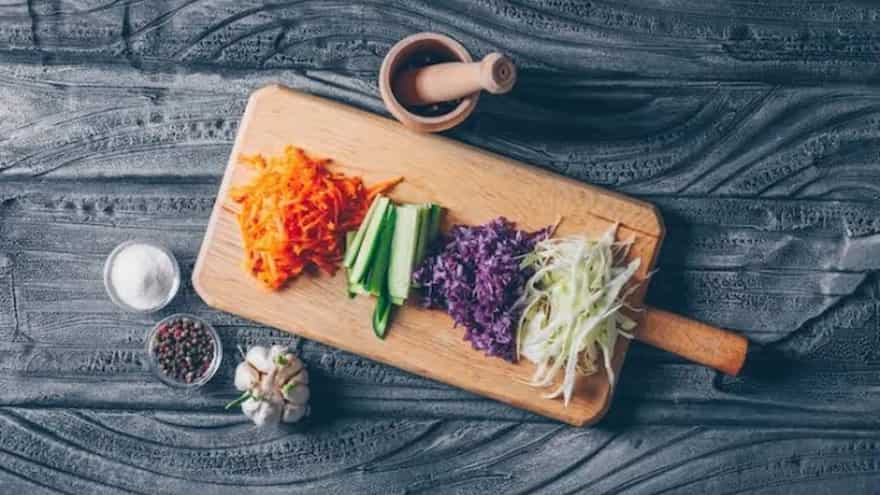
Dried And Preserved Ingredients
Drying and preserving has been another way to create flavour bombs in Indian cooking. Kokum, which is dried on the Konkan coast, is added to sol kadhi and fish curries where it delivers both sourness and a savoury depth. In Tamil Nadu, dried prawns are pounded with chillies to prepare thokku or added to kuzhambu, turning a simple curry into a dish full of richness. Kashmiri cooks use sundried chillies not only for colour but also for their smoky, savoury flavour in rogan josh. Even in Bengal, dried fish or shutki is turned into strong curries that are pungent but deeply satisfying. These dried foods concentrate taste and carry the natural glutamates that give a savoury punch.
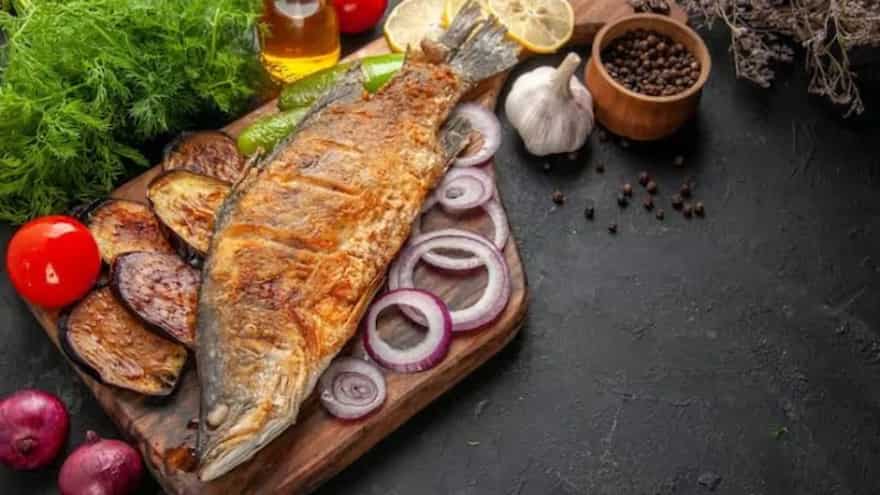
Traditional Condiments And Pastes
Many Indian condiments and pastes are quietly loaded with umami. Tamarind pulp, used across South India, balances sourness with depth, binding together sambars and rasams. In Bengal, mustard paste coats hilsa fish, creating a sharp yet rounded flavour. Goa’s recheado masala paste, ground with vinegar, red chillies and spices, gives fried mackerel or prawns a bold and complex taste. Curry leaf chutney in Karnataka, made with roasted dals, builds a layered savoury flavour when paired with idli or rice. These condiments may be made daily, but they hold the power to transform even simple meals into dishes with character.

Protein-Rich Additions
Protein has always been linked with umami, and Indian cooking makes clever use of both vegetarian and non-vegetarian sources. Lentils when slow cooked, as in Punjabi dal makhani, develop a creamy texture and a deep savoury flavour. In Andhra Pradesh, pappu or dal with tamarind and greens brings both protein and complexity. Paneer when grilled or fried picks up a browned edge, giving richness in dishes like paneer tikka. In Lucknow, nihari made with bones and marrow produces a stock that feels layered and satisfying. Paya soup in Hyderabad is another example where long simmering releases natural savoury compounds, turning it into a dish valued for both taste and strength.
Regional Fermented Drinks And Preserves
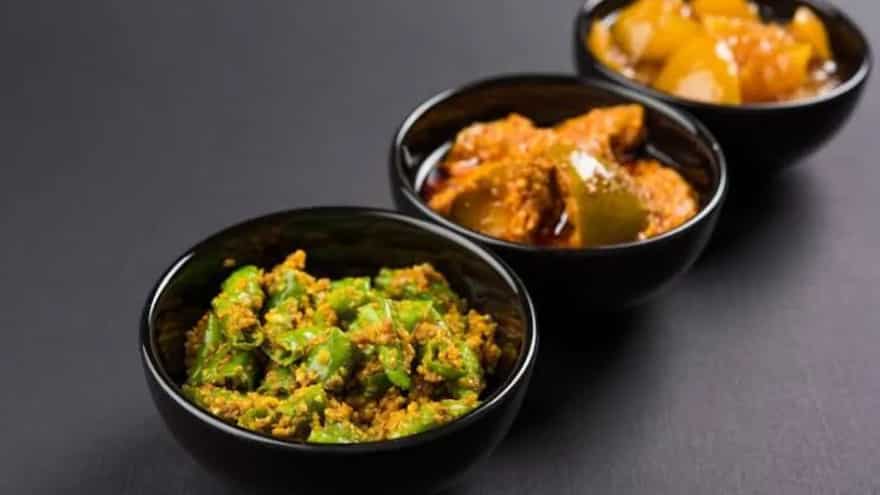
Fermentation in India has also shaped drinks and seasonal preserves. In Bihar and Uttar Pradesh, kanji made with black carrots and mustard seeds becomes a sour and savoury drink during the winter months. Tribal groups in Odisha, Jharkhand and Assam prepare rice beer, which develops a strong taste through natural fermentation. Across India, pickles of mango, lime and chilli are left to mature in oil and spices, producing sharp and savoury flavours that cut through rich meals. In Kerala, fish pickles and prawn pickles are common household preparations that deliver bold taste even with a small serving. These foods and drinks may be considered everyday, but they are also carriers of strong savoury notes.
Modern Recognition Of Desi Umami
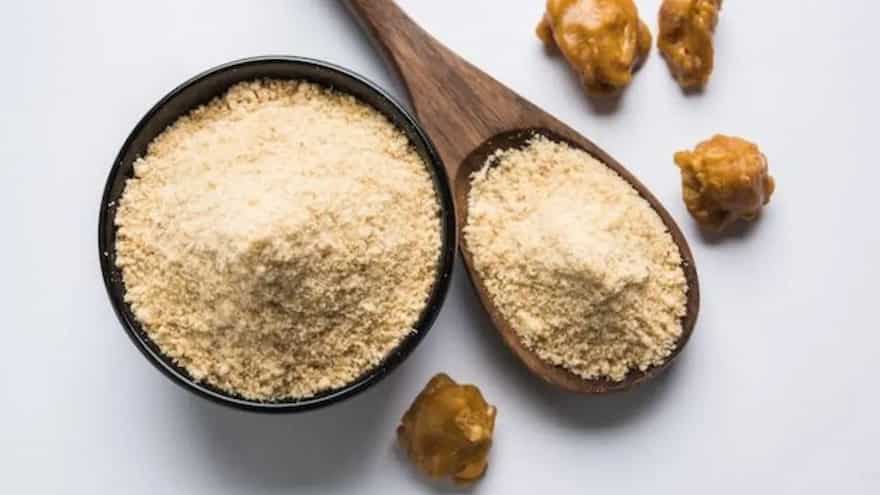
Today chefs and writers are beginning to describe these ingredients in terms of umami, connecting Indian traditions with global food language. Hing, or asafoetida, provides a sulphurous savoury kick when added to dal. Black salt brings mineral tones that lift chaat and fruit salads. Aged jaggery, when added to curries in Maharashtra or Karnataka, gives caramelised sweetness that enriches the overall flavour. Modern restaurants now highlight these ingredients as flavour bombs, but home cooks have always known their value. When you taste a sambar that feels complete, a dhokla that carries depth, or a mutton curry that lingers long after the meal, you are tasting the desi form of umami.




