


 Share
Share

The appeal of hummus lies in its simplicity. Made traditionally from chickpeas, tahini, garlic, and lemon, it has become a global favourite because of its versatility and nourishing nature. In Indian homes, where lentils are already a daily staple, adapting hummus with local dals feels both natural and practical. The shift from chickpeas to moong dal, urad dal, or rajma not only creates different textures and flavours but also connects this Mediterranean dish to Indian culinary traditions. Each lentil type brings its own qualities, turning the familiar hummus into something deeply rooted in Indian food habits. These Indian-style hummus versions can be enjoyed with rotis, millet crackers, or vegetable sticks, and even used as sandwich spreads for a lighter lunch.
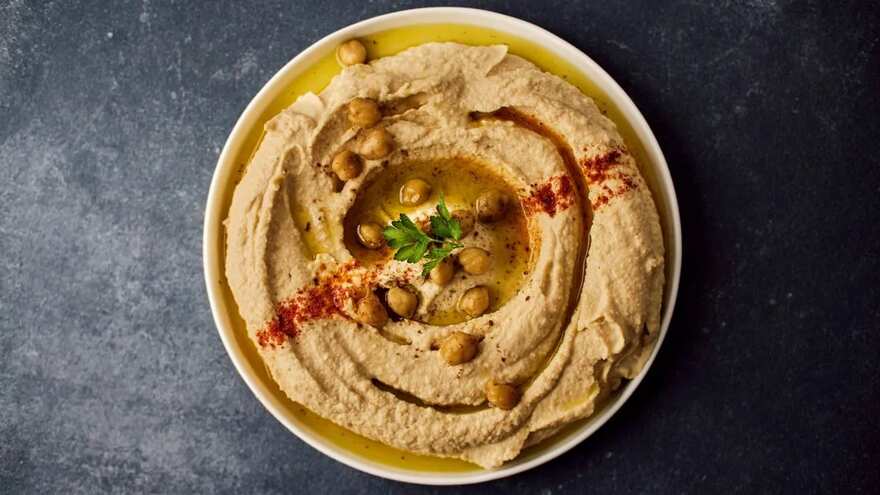
Urad Dal Hummus
Urad dal, known for its smooth and slightly earthy taste, makes a hummus that feels rich without being heavy. When soaked and cooked until soft, the dal blends into a silky paste similar to traditional hummus but with a deeper flavour. The white urad variety works best for this preparation. After boiling, it can be mixed with tahini or sesame paste, olive oil, garlic, salt, and lemon juice. A touch of roasted cumin can help balance the nuttiness of the dal. The result is a hummus that feels luxurious and satisfying, with a mild aroma that pairs beautifully with tandoori vegetables or whole wheat pita. Urad dal hummus also stores well and tends to retain its creamy consistency when refrigerated.

Moong Dal Hummus
Moong dal hummus has a fresher, lighter profile that makes it ideal for summer meals or quick lunches. Green moong or yellow moong dal can both be used, depending on preference. The dal should be soaked and cooked until soft, then blended with lemon juice, olive oil, and a small spoon of sesame or peanut paste. The flavour is delicate, and it benefits from gentle seasoning such as fresh coriander, black pepper, and a small pinch of hing. This hummus goes well with cucumber slices, lettuce wraps, or as a topping on whole grain toast. It carries the comfort of dal while keeping the dip airy and pleasant to eat. Moong dal hummus is also rich in plant protein and easy to digest, which makes it a good option for anyone looking for a light yet nourishing snack.
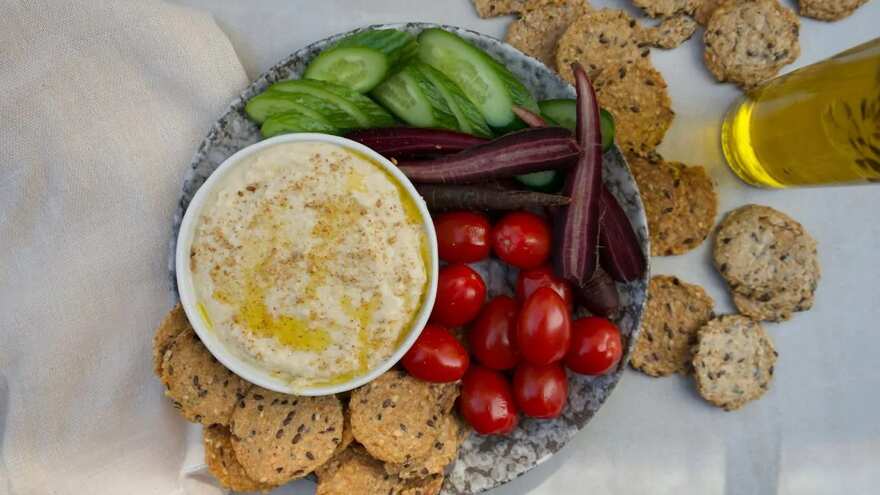
Rajma Hummus
Rajma brings a bold flavour and a slightly coarse texture to hummus. Red kidney beans, when soaked overnight and cooked until very soft, create a hearty base that blends beautifully with garlic, olive oil, and a touch of lime juice. The taste of rajma hummus feels familiar to Indian palates, almost like a smoother version of rajma curry, but with the clean, tangy lift of hummus. Adding a small amount of smoked paprika or red chilli powder gives the dip a warm colour and a gentle spice that complements Indian breads and nachos alike. Rajma hummus works well for heavier meals or as part of a mezze-style platter with grilled paneer and pickled vegetables.

Masoor Dal Hummus
Masoor dal, or red lentil, produces a hummus that is soft and evenly textured, with a subtle sweetness that balances garlic and lemon well. The dal cooks quickly and blends smoothly, making it convenient for weekday meals. For best results, the lentils can be boiled with a small piece of bay leaf, then drained before blending. Olive oil and a hint of sesame paste give body to the mixture, while crushed black pepper adds sharpness. Masoor dal hummus pairs nicely with baked papdis or as a dip for roasted sweet potatoes. Its gentle flavour allows it to complement a range of Indian dishes without overwhelming them.
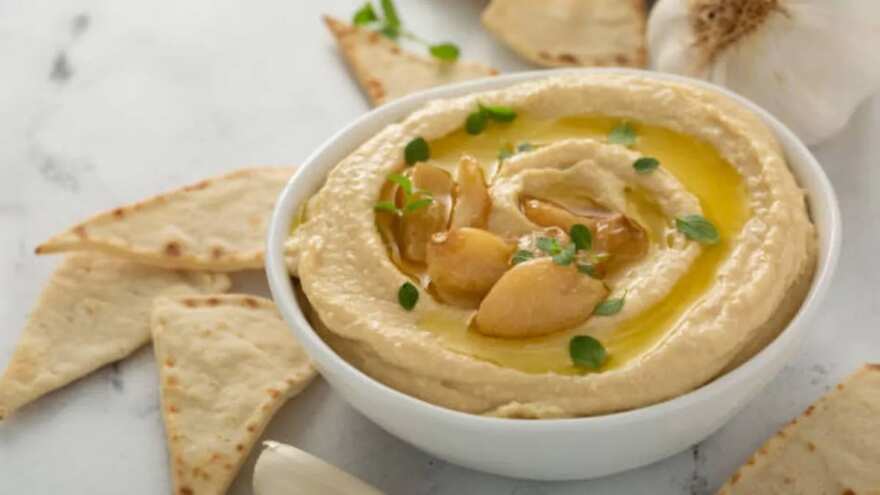
Chana Dal And Toor Dal Hummus
Using chana dal or toor dal gives the hummus a rustic and slightly grainy texture that works well as a spread. These dals have a strong character and tend to hold their shape slightly even after blending. To prepare, the lentils should be cooked thoroughly, cooled, and blended with olive oil, lemon juice, garlic, and a small amount of ground sesame seeds. The flavour is fuller and more traditional, reflecting the hearty quality of Indian dals. A few drops of mustard oil or a sprinkle of crushed red chillies can be added for warmth. This version of hummus makes an excellent side for parathas, millet rotis, or as part of a festive appetiser platter.




