Share
Share

Kale became popular in the West for its high iron and antioxidant content, but most Indian families have already been eating similar greens for decades. The local saags that grow in Indian soil during different seasons are easier to digest, more affordable, and fit well with everyday meals. These vegetables do not need fancy preparation or imported oils. They are cooked with ghee or mustard oil, flavoured with garlic or chillies, and served with rice or roti. Some are mixed with dal, while others are cooked plain or added to flour for parathas. Since they are eaten hot and fresh, most of the nutrition remains in the food. These greens also grow closer to home and are less likely to be stored in cold chains or wrapped in plastic, which helps keep them both fresh and sustainable. Each region in India uses these leaves slightly differently, but their health value is known across the country.
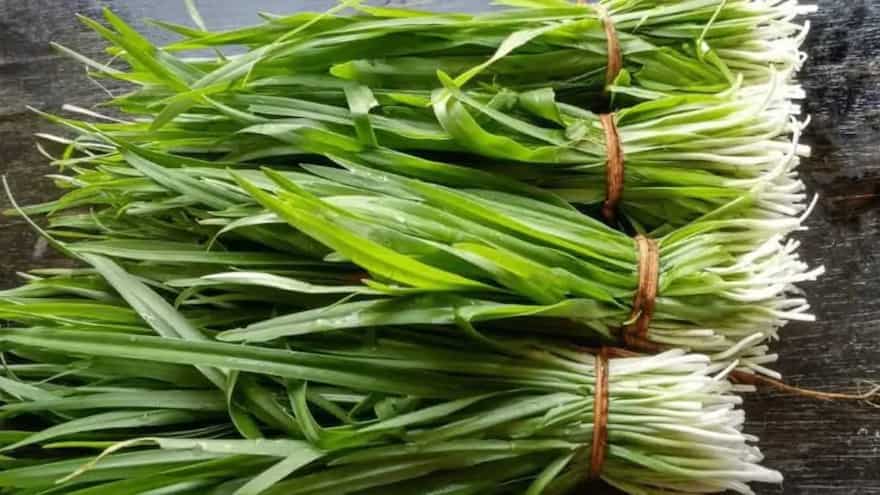
Bathua (Chenopodium Album)
In Punjab, bathua is one of the most used winter greens, especially in rural areas where it often grows along with wheat in the same fields. The leaves are soft, slightly bitter, and cook down easily. Bathua is rich in iron, calcium, potassium, and vitamin A, which supports immunity and blood health during colder months. In many homes, it is added to the famous sarson da saag to balance the sharp taste of mustard leaves.
Families boil sarson, bathua, and sometimes spinach together with garlic, green chillies, and a small pinch of maize flour to thicken the saag. After blending, it is cooked again slowly in ghee until it reaches a thick, smooth consistency. This saag is eaten with makki di roti and a spoon of white butter. Bathua is also used in paratha dough or stirred into arhar dal during winter evenings. Because it is a winter green, it is best eaten between December and February when it is freshest and most nutrient-rich. It is common in Punjab and western Uttar Pradesh and is often picked wild, which means it grows with very little interference.
Kulfa (Portulaca Oleracea)
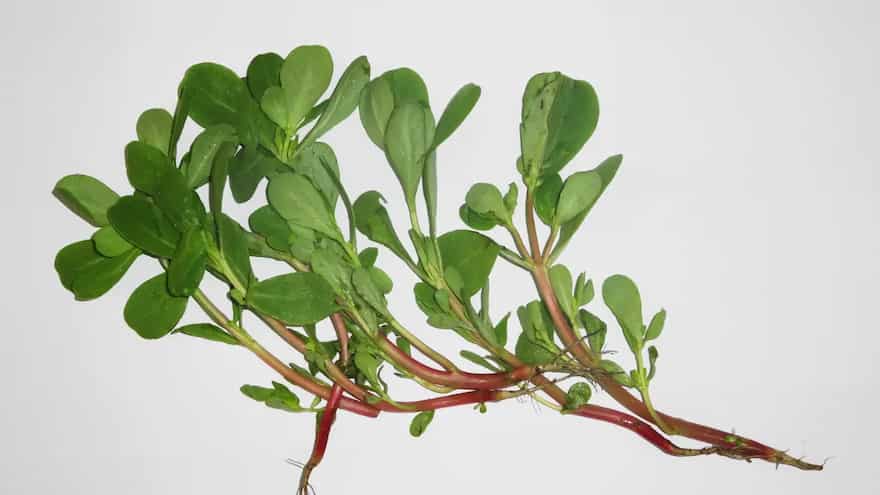
Kulfa, also known as purslane, is a summer green with small, succulent leaves that grow close to the ground. It is most commonly found in Telangana, Andhra Pradesh, and Maharashtra. The leaves have a light sour taste and a soft texture, which helps in balancing heavy or spicy dishes. Kulfa contains a rare form of plant-based omega-3 fatty acids, along with vitamin C, magnesium, and potassium. These nutrients help the body deal with heat and dehydration during the hot months.
In Hyderabadi cooking, kulfa is often added to masoor dal or cooked with minced meat. The greens are washed thoroughly, then added to the dal along with onions, green chillies, turmeric, and salt. As the dal simmers, the kulfa breaks down and thickens the mixture naturally. A garlic tadka is added at the end to finish the dish, which is eaten with plain rice. Kulfa also grows wild in many parts of rural India and is sometimes foraged rather than sold. Since it has a cooling effect, it is especially useful during peak summer, and its sour flavour makes it more palatable for those who dislike the bitterness of other greens.
Bichhu Buti (Urtica Dioica, Stinging Nettle)
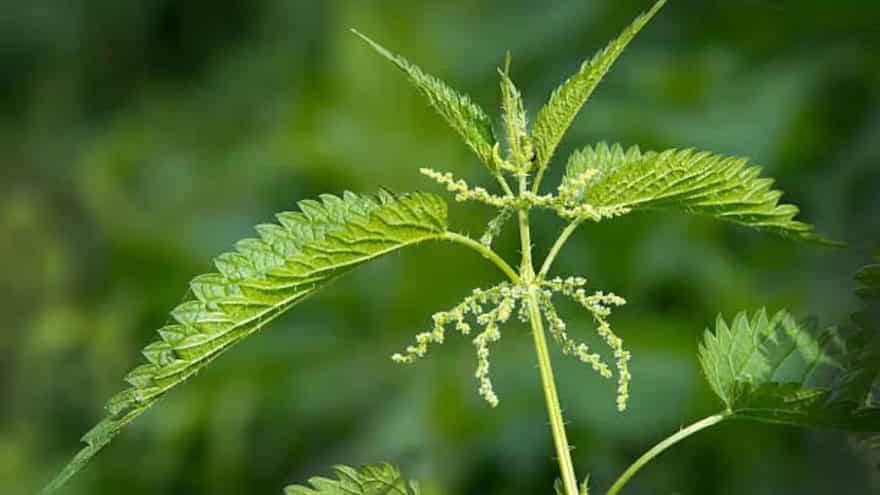
In Himachal Pradesh, especially in regions like Kangra and Mandi, locals use a wild green known as bichhu buti. This plant grows freely during spring and early summer and must be handled carefully because of its tiny stinging hairs. Once cooked, however, it becomes soft and loses all sting. Bichhu buti is extremely rich in iron, calcium, and vitamin K, and it is known in local food traditions to build strength and improve blood flow, especially after winter.
The leaves are boiled thoroughly, drained, and then cooked with a little garlic, ghee, and salt. Some families mash the cooked greens and serve them with rice or mix them into thick mandua rotis. Because this green is foraged rather than farmed, it is usually clean and free of chemicals. It is often eaten by women after childbirth and older people recovering from weakness. Though lesser known outside Himachal, it has long been valued for its deep nutritional content and is still sold in small bunches in local markets during the early monsoon season.
Ambat Chukka (Rumex Vesicarius)
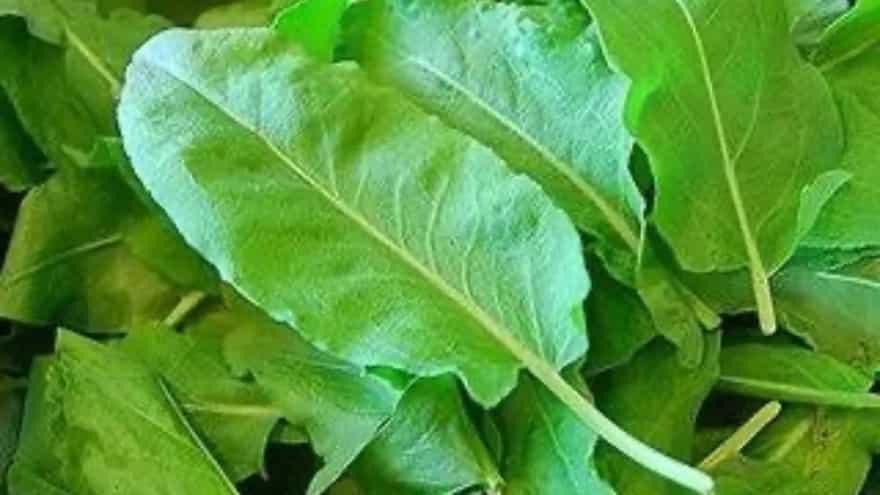
Ambat chukka is a sharp, tangy green found mostly in Maharashtra and parts of Andhra Pradesh. The sourness of the leaves comes from natural oxalic acid, which helps increase iron absorption from other foods. The leaves are used to flavour dals or cooked down into chutneys.
In Marathi kitchens, chukka is added to tur dal along with onions, chillies, and a little turmeric. The result is a light, sour dal that requires no tamarind or tomato. This dal is often served with plain rice and a spoon of ghee, especially on days when people want a break from heavy food. In Andhra households, the same leaves are ground raw with green chillies and garlic to make a spicy-sour chutney, eaten with hot rice and sesame oil. Chukka grows during the monsoon and early winter and is sold in small tied bundles. Since it cooks very fast, it suits busy kitchens where quick weekday meals are needed.
Chakotha Soppu (Amaranthus Viridis)
In Karnataka and parts of South India, green amaranth is commonly known as chakotha soppu or mountain spinach. It grows easily in home gardens and roadside patches and is used widely in rural and urban kitchens. The plant has soft stems and tender leaves that turn creamy and smooth when cooked. Chakotha soppu is rich in iron, calcium, folate, and vitamin K, which helps with blood formation and bone strength.
Many homes cook it by first frying mustard seeds, urad dal, and garlic in a little oil, then adding the chopped greens with salt and turmeric. Some families include soaked moong dal or toor dal, which is added early and cooked till soft before the greens go in. The final dish is a mildly spiced, protein-rich stir-fry that is eaten with steamed rice and ghee or served as a side dish with rasam. In rural areas, it is also mashed with rice and fed to young children and the elderly because it is soft and easy to digest. Chakotha soppu is often available all year and grows without needing much water or care, which makes it one of the most common and affordable greens across Karnataka. It is also dried and stored in some households for use during the rainy season, though it is best eaten fresh when the leaves are still tender and bright.
Phodshi (Asparagus Racemosus)
Phodshi is a wild green that appears only during the monsoon and is found mostly in the Konkan region of Maharashtra and parts of Goa. It is not a leafy green but the young shoot of a wild asparagus plant. These shoots are soft, thin and slightly crunchy when cooked. Phodshi is high in folate, dietary fibre, and minerals, and is traditionally used to balance the body during the wet season.
Local communities prepare it by sautéing it with mustard seeds, fresh coconut, turmeric, and green chillies. A small amount of roasted peanut powder is sometimes added at the end to improve texture and taste. This sabzi is eaten with rice or bhakri and is considered very cooling and light on the stomach. Since phodshi has a very short shelf life, it is usually eaten the same day it is bought. Because it is wild-foraged, it also supports small farmers and tribal vendors who bring it fresh from forested areas.