


 Share
Share

Delhi's food culture has always had associations that felt bigger than many restaurants and cafes. Among those is the historic Delhi Gymkhana Club, a 113-year-old institution that has long been associated with diplomats, military officers, bureaucrats, business families, and years of old Delhi social life. But in recent times, the club has found itself at the centre of a major dispute after the Union government asked it to vacate its 27.3-acre Safdarjung Road premises, mentioning defence and public infrastructure needs. Members have approached the courts, employees have raised questions over their livelihoods, and assumptions about the future of the club continue to grow.
Beyond just the politics, legal disputes, and questions around elite institutions, there is something more emotional: the food. For years, the club's dining rooms, bars, lawns, and family gatherings helped make a culinary culture that was uniquely "Gymkhana"- part colonial legacy, part old Delhi comfort food, and part the timeless club cooking. The menus were never just about chasing trends. They were about the dishes people would go to repeatedly, year after year. Here are a few of the most iconic dishes that the gymkhana serves and is fondly loved by people:
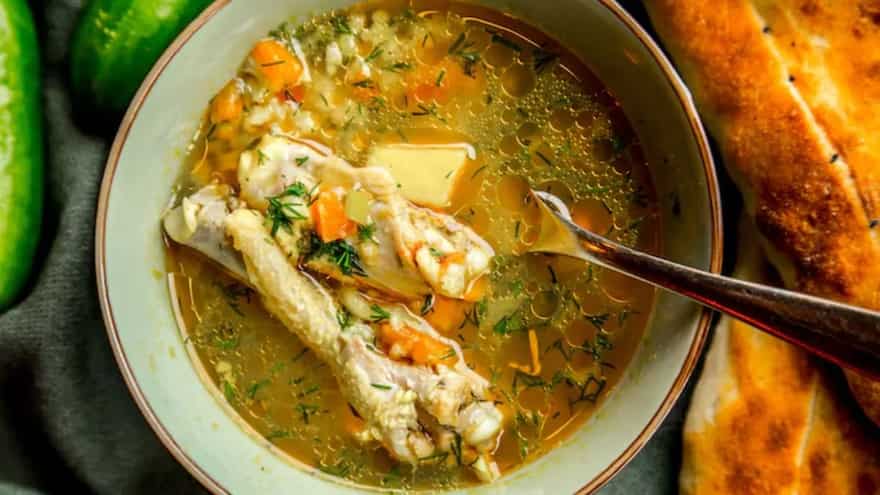
Mulligatawny Soup
Few dishes grab the old club dining like the mulligatawny soup. Originally influenced by colonial interpretations of South Indian flavours, the soup evolved as a Gymkhana staple. Warm, a bit spiced, and satisfying rather than being fiery and bold, it displays a style of dining that shows a restaurants seldom serve anymore. Members usually associate it with long lunch scenes, winter evenings, and family gatherings. The appeal is in its familiarity. It is not dramatic food, but food that has become part of people's everyday routines. That sense of comfort is exactly what makes it one of the most loved dishes of the club.
(Image credit: Freepik)
Mutton Cutlets
Among Delhi Gymkhana's most loved dishes, the mutton cutlets have an almost legendary stature. These crispy, golden-brown patties are prepared with finely chopped mutton, seasoned with a blend of spices, and well-coated before being fried until it turns golden. Served along with fries and traditional condiments, they hit the perfect balance between comfort food and old-world club feasting. What makes them extraordinary is their consistency; members often come back to them year after year because the flavour seldom changes. For many regulars, a visit to Gymkhana has never felt whole without a plate of these iconic mutton cutlets.
Fish Meunière
Long before the European-style dining became trendy in Delhi, Gymkhana's kitchens were serving classics such as fish meunière. Tender fish cooked with butter, lemon, and herbs gives a lighter option to the heavier North Indian dishes. The preparation shows the club's long-lasting continental influences while staying approachable for many indian diners. Many members believed it was one of the most lavish items on the menu because it balanced simplicity with elegance. Its persistent popularity showed how some classic recipes have survived decades of changing food trends without losing their charm.
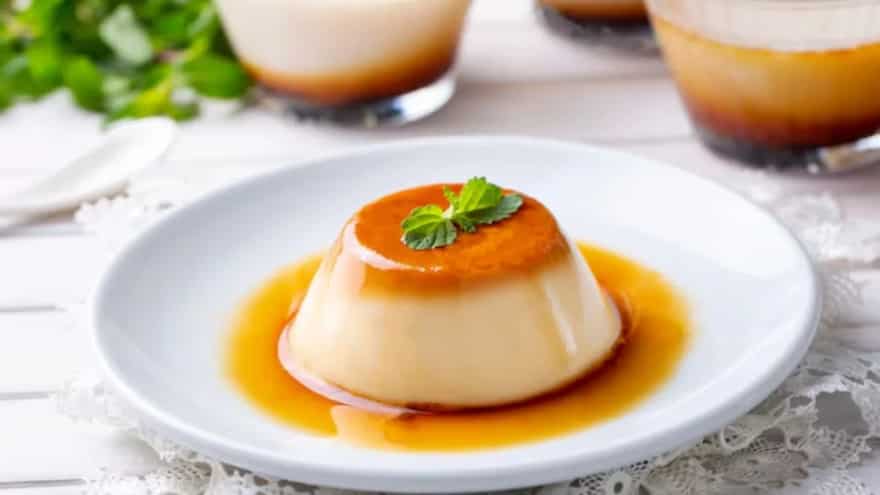
Caramel Custard
Every iconic club seems to have one dessert that people refuse to give up. At Delhi Gymkhana, caramel custard holds that position. Smooth, creamy, and topped with a layer of bittersweet caramel, it symbolises an era when desserts focused on process rather than extravaganza. Long before detailed plated sweets and social-media-friendly creations became familiar, caramel custard was quietly ending meals across the club's dining rooms. For many members, it is one of the strongest food memories linked with the institution because it appeared at numerous family lunches, celebrations, and also the Sunday gatherings.
(Image credit: Freepik)
Chinese Club-Style Chilli Chicken
One of the most charming parts of old Delhi club cuisine is its unique version of Chinese food. Gymkhana's chilli chicken shows a uniquely Indian interpretation of Chinese flavours that became popular across the capital. Rich, savoury, a bit spicy, and perfect for sharing, it was a common feature during evening gatherings and drinks at the club. Unlike modern cafe versions that often go for intense heat, club-style chilli chicken concentrates on balance and familiarity.




