Share


Before the first cracker goes off or the first ladoo disappears from the plate, a small spoonful of dark herbal paste lands on the tongue, preparing you for the festive meals ahead. Mainly in Kerala and Tamil Nadu, Deepavali begins with a pre-dawn oil bath and a spoonful of Deepavali Legiyam, also called Deepavali Marundhu, which translates to “Deepavali medicine”. 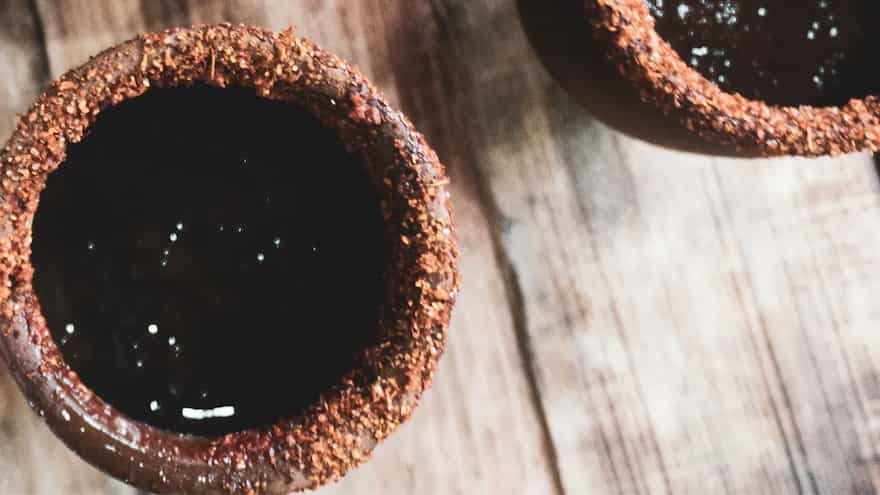
Image Credit: Pexels
So, seeing it as the family’s quiet strategy for a day of murukku, Mysore pak, and mutton curry won’t feel over the top. The paste is a bit sweetened with jaggery, sharp with pepper and ginger, and carries a faint nutty richness from ghee. Honestly, grandmothers have guarded the recipe for generations, and every kitchen bends it slightly as per their taste preferences.
Deepavali Legiyam: Here’s More About Where The Tradition Comes From
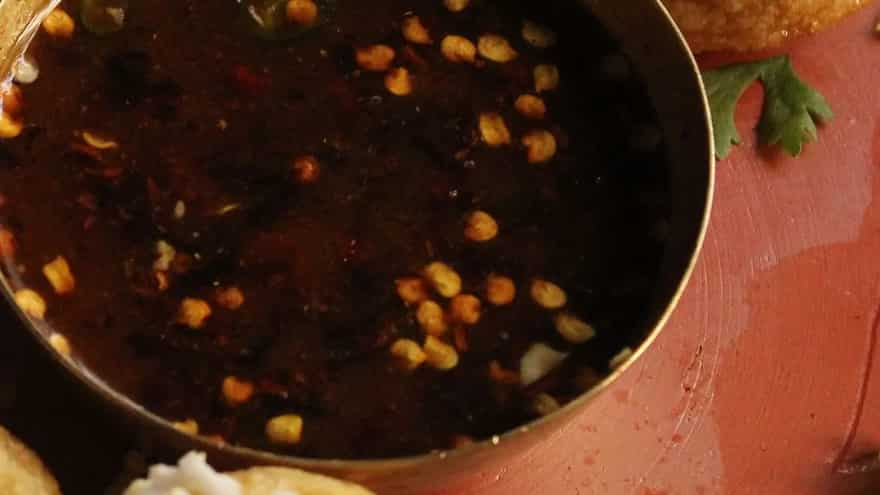
Image Credit: Pexels
The name lehyam comes from a Sanskrit word for something meant to be licked, and the preparation sits within the Siddha and Ayurvedic healing traditions of South India. These systems have long used spiced, jaggery-and-ghee pastes as everyday tonics for the stomach and chest. Over time, this paste became associated with Deepavali, a festival that arrives as the weather cools and the table fills with fried, sugary food. Families, it seems, saw the sense in pairing the year's heaviest feast with its gentlest remedy. The recipe was rarely written down. It travelled from mother to daughter and from mother-in-law to bride, which is why no one can say exactly when the custom began.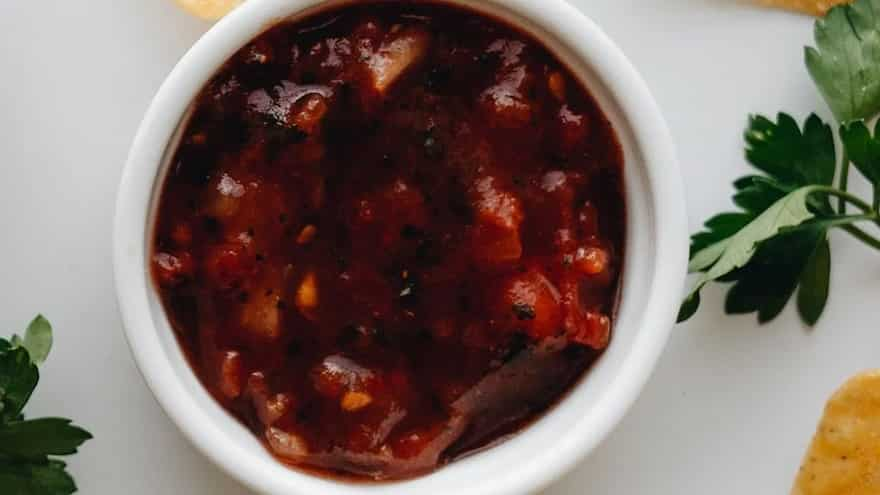
Image Credit: Pexels
Research shows that black pepper’s active compound, piperine, has been shown in animal studies to stimulate digestive enzymes and speed up the passage of food. Ginger has shown a similar effect in human trials, helping the stomach empty a little faster, though people didn't always notice a difference in their symptoms. Ajwain has a long reputation for easing gas and cramps, but most of the evidence so far comes from traditional use and lab work. Coriander, cumin, cardamom and cloves are staples of digestive remedies that can actually handle the tons of Diwali sweets and food you are going to have.
Chef Joyadrita Ragavendran Shares Deepavali Legiyam: A Recipe Handed Down Through Four Women
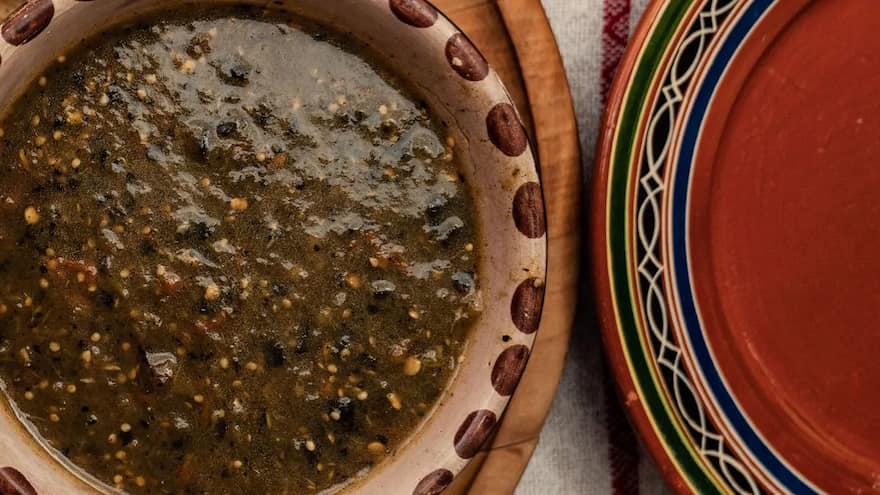
Image Credit: Pexels
Chef Joyadrita Ragavendran Chatterjee is a Chennai-based home chef and founder of Food of JOY: Flavours of Bengal. A former communication coach, she celebrates a culinary journey that includes multiple awards, published heirloom recipes, and prestigious collaborations with Novotel, Hyatt Regency, Four Seasons, ITC Windsor, Four Points by Sheraton, Mulberry Shades Nandi Hills, Holiday Inn by IHG, Marriott Hotel and Convention Centre.
Her story with the legiyam starts with a marriage. She recalls, “My first experience of the ‘Deepavali Legiyam or Marundhu’ (translating to Deepavali medicine) was when I got married into the Iyer family in 2012. To be honest, I did not appreciate the taste much. However, given its medical benefits, I ensure to have it every year as part of the Diwali tradition.”
“Every year (until now), my mother-in-law, Mrs Saroja Nagarajan, makes it without fail and also carries it for us whenever she travels down. Understanding the tradition behind it and the process involved, she reminds me to credit her mother-in-law, Mrs Nagratnam, commonly known as Thayyuammal, who introduced her to this Deepavali Marundhu."
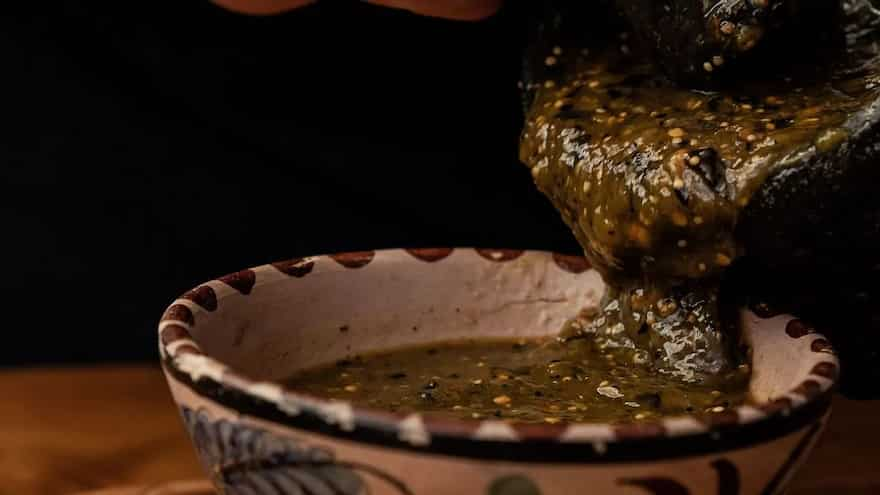
Image Credit: Pexels
She further mentioned, "Before her marriage, she watched her paternal grandmother, Mrs Subbulakshmi, a staunch Tamil Brahmin, perform this ritual every year. Being a strict disciplinarian, she never allowed the younger girls to enter her kitchen, as recalled by Ms Saroja; a highly religious and pious lady, Subbulakshmi made sure everyone adhered to rules decided upon by her in the household.”
Learning, in this household, was gradual and relational. “Similarly, my mother-in-law Saroja Nagarajan adapted well to the Iyer household, learning every ritual and custom in a detailed manner from her mother-in-law Nagratnam or Thayyuammal initially and later from her elder sister-in-law Padma, in the absence of the former.”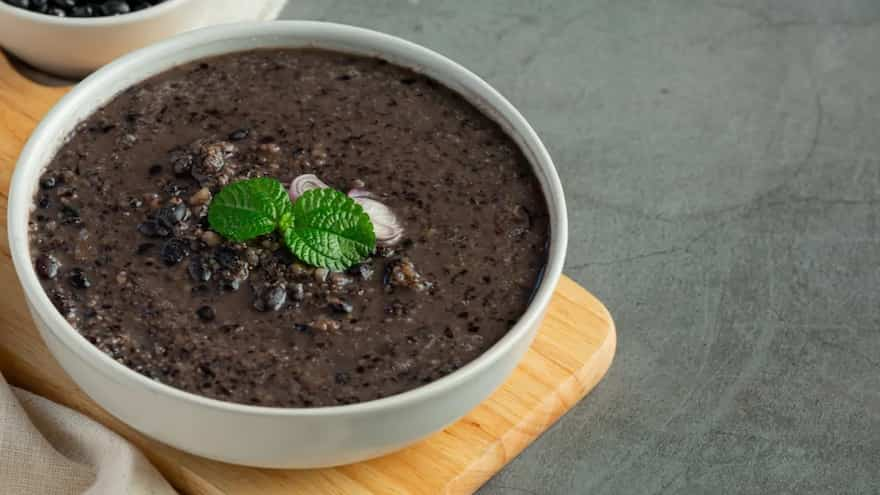
Image Credit: Freepik
Deepavali Legiyam, is not written in a cookbook but carried in memory, in discipline and in the habit of crediting whoever taught you. Joyadrita’s version also keeps its purpose in plain view: “Deepavali medicine—often consumed after the holy bath on Diwali morning — is known for its cleansing property. This homemade medicine helps in balancing all the overeating one indulges in on Diwali, as mentioned by my mother-in-law.”
Ingredients (for a family of 4):
- Black pepper 50g
- Cubeb pepper (Val Milagu) of 5/- worth
- Kandathipilli (Long pepper root)-15 sticks
- Arisi Thippilli (Long pepper)- 15 pcs
- Dry ginger- 2 pcs
- Coriander seeds-100g
- Cloves- 10 pcs
- Cardamom- 5pcs
- Honey- 50ml
- Ghee- 250g
- Jaggery-250g
- Chitharathai (Lesser Galangal)- 20 g
- Nutmeg-1
- Ajwain (Carom seeds)-100g
Method:
- Sun-dry every ingredient and make a fine powder.
- Heat 1.5 cups of water (for 1 cup of powder) and add the powder. Mix well so that no lumps remain.
- Add ghee (my mother-in-law uses a mix of ghee and Gingelly oil or Sesame oil for that nutty taste); mix again.
- Add in the jaggery and honey. Keep stirring well until the ghee/oil separates and floats on top.
- To check if your Deepavali Murundhu or Legiyum is ready, take a pinch and roll it to see if it forms a ball and comes off your palm easily. Another pro-tip to check if your Deepavali Legiyum is ready: the entire mixture should have a final glossy finish, often resembling a dark-coloured halwa.
- Once that consistency is reached, take it off the gas stove and refrigerate it to be used later.
Deepavali Legiyam shows how a festival can look after the people celebrating it. It asks for nothing grand, only a spoonful, a little patience at the stove. Whether you grind your own spices or buy ready-made powder, make a batch before the feasting begins. Serve it first, and let the sweets follow.