


 Share
Share

Legacy food brands are restaurants, cafés and food businesses that have persisted for decades while becoming deeply rooted in the essence of a city or community. These places are not only known for food but also for the nostalgia, memories and the cultural history they carry. For years, many of them depended totally on reputation and loyal customers. But currently, changing dining habits, the delivery apps, rising social media culture and the younger consumers have made these old places evolve in order to stay applicable in the present scenario.
Interestingly, many iconic Indian food brands are now looking for ways to modernise without totally abandoning their cores. Some have redesigned the interiors, expanded the menus and also opened the polished outlets, while others have relied heavily on storytelling and heritage branding. Younger diners no longer visit these places just for food, but they also come for the experience, nostalgia and social media appeal as well. Instead of rebelling against the change, many legacy brands are carefully reinventing themselves for a new generation.
Why Are Legacy Food Brands Reinventing Themselves?
At present, many modern diners eat very differently compared to earlier generations. Younger customers look for cleaner interiors, updated menus, delivery options and also visually appealing presentations even from the heritage restaurants. At the same time, social media has changed nostalgia into a powerful marketing tool. Food brands are now trading stories and emotions along with the recipes.
Many old installations have also realised that depending solely on local loyal customers is no longer sufficient. Expansion, branding and digital visibility have become important for survival. The challenge, however, is keeping authenticity while adjusting to modern expectations. Some brands are managing this balance extremely well.
Daryaganj Gold
Daryaganj Restaurants has recently made its legacy positioning into a far more premium room by the launch of Daryaganj Gold in Aerocity, Delhi NCR, after first introducing the same concept in Bangkok. Instead of changing the core originality of the restaurant, the brand revolved the experience around it.
Daryaganj Gold keeps its well-known North Indian classics unchanged but presents them through a more immersive as well as deluxe format with larger dining spaces, eloquent interiors and an exclusive “Gold Menu.” This menu has regional dishes, modern interpretations and also retro-inspired cocktails that are designed especially for younger luxury diners who still desire nostalgia but wish a more polished modern dining experience.
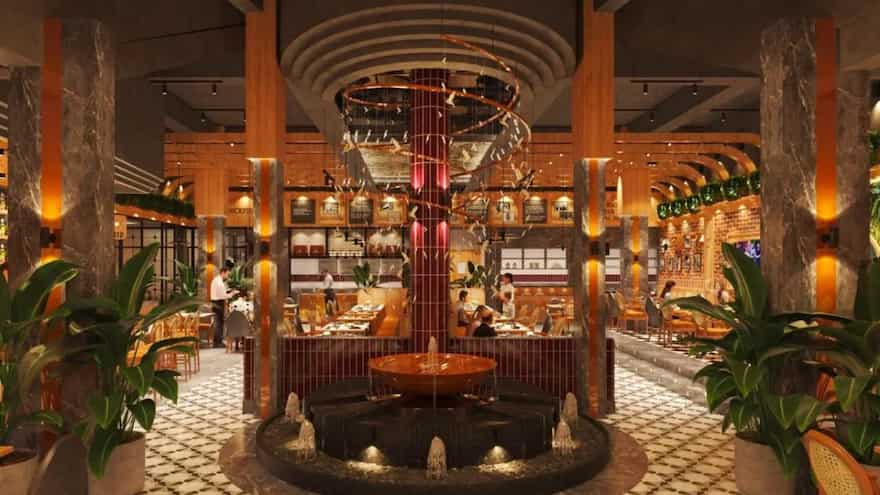
(Image credit: Official website of Daryaganj)
Leopold Cafe
It is a classic old Bombay Irani-style café known mainly for simple meals, beer and the local regulars. Over time, however, Mumbai’s tourism culture and global visibility changed it into a global cultural milestone. Instead of remaining just a community café, Leopold adapted itself for travellers, nightlife audiences, as well as younger urban customers.
The menu developed, the atmosphere became more sophisticated, and the café tilted into its iconic status after becoming deeply associated with Mumbai’s identity in itself. At present, many visitors experience Leopold first through the travel reels, films and online content rather than purely through local suggestions.
Keventers
Keventers was once seen as a conventional dairy and milkshake brand, having an old-fashioned presentation with very limited youth appeal. Its regeneration changed everything through branding rather than just the menu reinvention alone. The company updated itself using retro-style glass bottles, visually appealing café-style openings and nostalgia-driven marketing that performed extremely well on social media.
The milkshakes stayed familiar, but the experience became more trendy and shareable online. This reinvention occurred because younger audiences increasingly connect with brands visually first. Keventers successfully turned vintage nostalgia into something aspirational and trendy for modern consumers.
Indian Coffee House
Indian Coffee House was once considered a simple, cheap café chain mostly linked with students, scholars and older generation regular customers. Many younger urban diners previously viewed it as ancient compared to modern café chains. However, rising nostalgia culture quietly changed its appearance. Instead of aggressively modernising everything, several outlets adapted quietly through cleaner spaces, a bit updated menus and enhanced accessibility while holding their old-world charm.
The reinvention here happened culturally rather than structurally. At present, younger audiences increasingly look for authentic, slower and less commercial café adventures, making Indian Coffee House feel emotionally satisfying instead of old-fashioned.
Moti Mahal Deluxe
Moti Mahal Deluxe built its legacy around the historic North Indian dishes such as butter chicken and tandoori cuisine, related to post-Partition food history. Before, the brand concentrated mainly on traditional family-style dining. With the passing of time, however, premium dining culture pushed the restaurant to move to a more luxurious end.
Newer outlets feature more polished interiors, stronger heritage storytelling and a more global uniqueness rather than only functioning as neighbourhood restaurants. The reinvention helped Moti Mahal contend with modern upscale North Indian restaurants while maintaining its historical credibility and passionate connection with classic Punjabi cuisine.
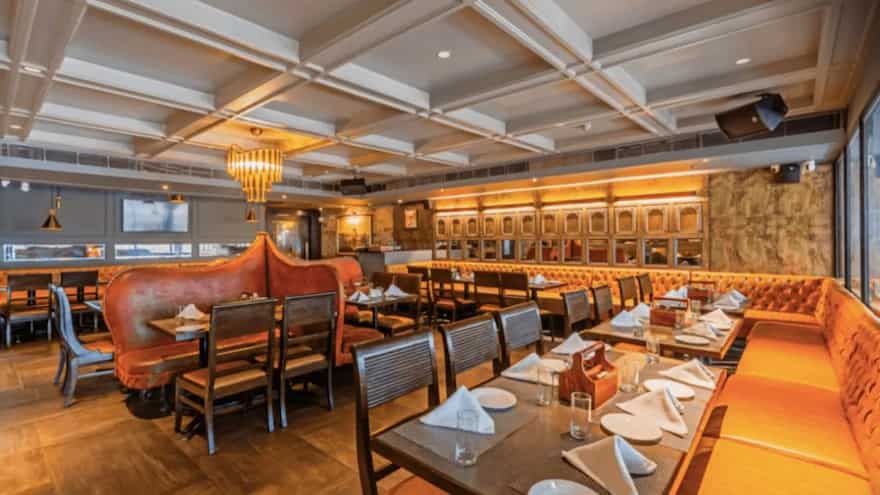
(Image credit: Official website of Moti Mahal Delux)
Bademiya
It started as a simple late-night kebab stall near Colaba that evolved into a legendary one among Mumbai locals for quick rolls as well as grilled meats. Before, the experience was totally street-style and functional. But as Mumbai’s food culture updated, the brand expanded into polished dine-in outlets while maintaining its original flavours and late-night charm.
The newer spaces now cater to tourists, families, as well as younger diners who are looking for comfort alongside memories. This reinvention became essential because today’s audiences often look for hygiene, atmosphere and convenience along with classic street-food flavours and legacy branding.




