


 Share
Share

If you have ever wondered why dal makhani and dal bukhara sound so identical yet cost and taste so diverse, you are not the only one thinking like that. On the exterior, both feel rich, slow-cooked black lentil dishes with butter and cream floating on them, but look closely into each with each, and the differences will themselves begin to show up - not loudly, but peacefully, in texture, depth, and purpose.
Dal makhani is a comfort food for many. It feels familiar, reliable, and can be seen at family gatherings and roadside dhabas. Dal bukhara, on the contrary, feels more reserved. It serves as something special rather than an everyday indulgence.
While they share almost the same ingredients and sources, both of them have a different story to tell. One is about warmth and benevolence; on the other hand, the other is about tolerance, precision, and luxury. Knowing the key difference makes every spoonful of either of them more meaningful.
Origin And Intent
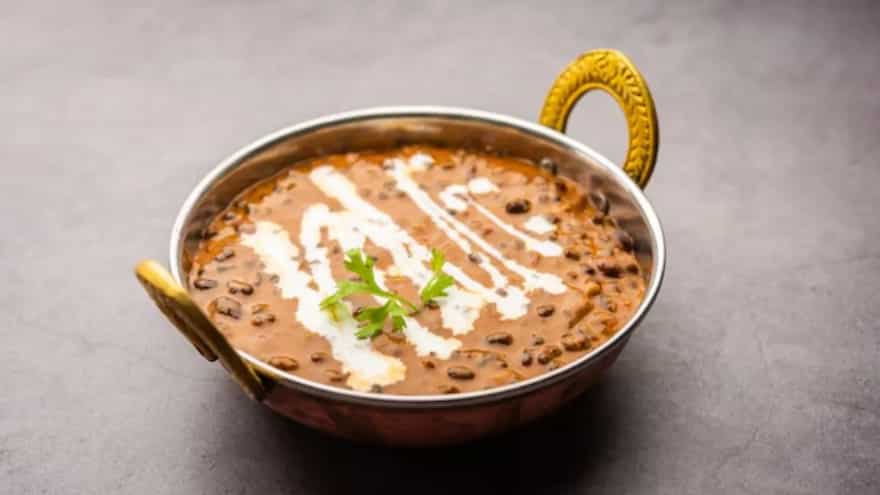
Dal makhani was actually born in the state of Punjab, and highway dhabas were meant to feed many people generously. Dal bukhara, on the other hand, was made in the hotel kitchen as a refined arrangement of that comfort. While dal makhani is about quantity and familiarity, dal bukhara is about moderation and refinement. It has the same idea but slows it down additionally, cooks it for a longer period, and serves it as something unique rather than an everyday meal. Dal makhani feels like a celebration dish, whereas Dal Bukhara feels like a carefully curated experience.
(Image credit: Freepik)
Cooking Time
Both dals cook involve a slow cooking process, but the key difference is in how slow. Dal makhani cooks for hours, which develops its classic signature richness through butter, cream, and spice. Dal bukhara, on the other hand, demands patience to another level. It is cooked overnight for about 18 to 24 hours, with little to no interference in the process. There’s no rushing and no stirring involved. This long cooking process breaks down the dals fully, forming a deep, nearly velvety texture that feels richer, more relaxed, and intense as compared to the comforting creaminess of dal makhani.
Ingredients
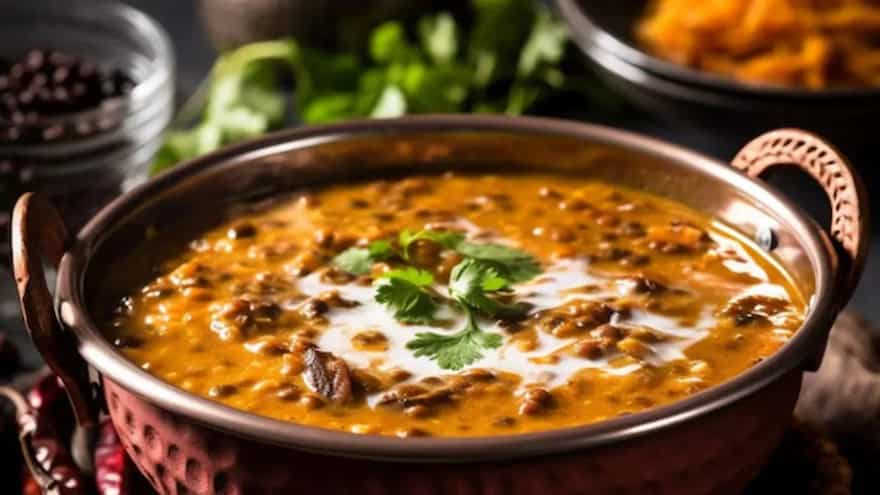
Dal makhani has a full list of ingredients that goes in it, such as tomatoes, ginger-garlic, garam masala, cream, butter, and a hint of sugar. Dal bukhara cuts things down. It depends heavily on whole black urad, butter, cream, and a little spice. Tomatoes are used very little or not at all. This minimalism lets the dal flavour take the main centre. You taste the dal first and not the masala. Dal Bukhara is less loud, more concentrated, and deliberately understated.
(Image credit: Freepik)
Texture And Taste
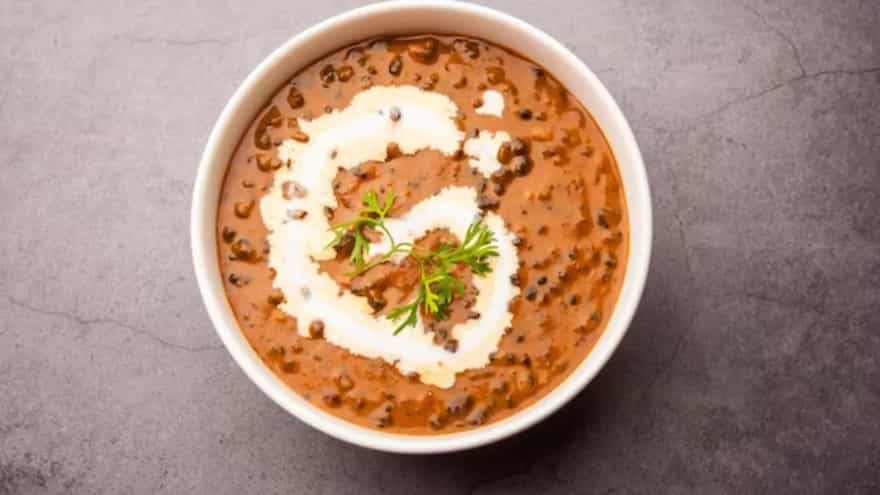
Dal makhani is velvety, creamy, and extremely comforting. It covers your tongue gently with the taste of butter and cream and can be paired effortlessly with naan or rice. Dal bukhara, on the other hand, feels thicker and deeper. The lentils have almost melted, but the flavour remains much longer after that. It is creamier, heavier, and more intense without being very spicy. A few spoonfuls of it make you feel enough. Where dal makhani embraces you, dal bukhara asks you to slow down and pay attention to detail.
Where You Eat It
You can find Dal makhani everywhere, at homes, weddings, dhabas, and restaurants. It feels familiar and anticipated. Dal bukhara is a rare find. It is usually found in fine-dining spaces, served in small portions and treated like a signature dish. It is not meant for everyday meals, but for moments when food is prepared to impress, not just satisfy. That difference in setting changes how the way it is experienced- one feels like home, on the other hand, the other feels like a planned indulgence.
(Image credit: Freepik)




