


 Share
Share

If you have ever swooned over a perfectly chilled bowl of Rasmalai or savoured a slice of Tres Leches cake that melts on your tongue, you already understand the unmatched appeal of milk soaked desserts. There is something fundamentally comforting about a porous sponge, flaky pastry or tender grain that has completely absorbed sweetened dairy. The texture transforms from ordinary to extraordinary. It becomes rich, luscious and intensely satisfying. While we cherish our festive sweets here in India, the culinary world is brimming with incredible international creations that follow the exact same brilliant philosophy. Cultures across the globe have discovered that soaking a baked good or carbohydrate in milk is the ultimate path to dessert perfection. If your palate leans towards creamy and moist treats, prepare to expand your dessert horizons. Here are several spectacular global creations you absolutely must seek out or bake at home.
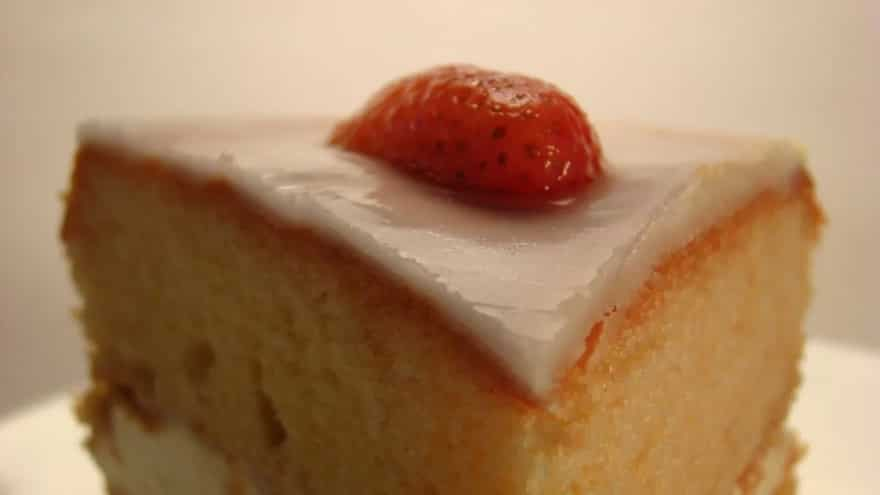
Image credit: Unsplash
Trilece
Origin: The Balkans and Turkey
If you appreciate the lightness of a classic milk cake, you will fall head over heels for Trilece. This dessert has taken the cafes of Istanbul by storm and has deep roots in the Balkan region. At its core, Trilece is a light and airy sponge cake drenched in a mixture of three different milks. These traditionally include cow milk, goat milk and sheep milk, though modern versions often utilise a blend of evaporated milk, condensed milk and heavy double cream. What sets Trilece apart is the glorious topping. Instead of a simple layer of whipped cream, the soaked sponge is blanketed in a rich and glossy layer of caramelised sugar. The slightly bitter notes of the caramel cut through the intense sweetness of the milky sponge perfectly. Every bite offers a contrast between the fluffy dairy soaked base and the sticky topping. It pairs exceptionally well with a strong cup of black coffee or spiced tea.

Image credit: Wikimedia Commons
Shahi Tukda
Origin: India
No list of milk soaked desserts would be completely well rounded without a nod to our very own regal creation. Originating from the Mughal era, Shahi Tukda translates to a royal piece, and it truly lives up to its name. Slices of bread are fried in pure ghee until incredibly crisp and golden. These crunchy vessels are then deeply soaked in rabdi, which is whole milk that has been slowly reduced until thick, sweet and slightly caramelised. The fried bread acts as a sponge, taking in the fragrant rabdi infused with saffron and cardamom. The contrast between the rich milk reduction and the ghee soaked bread is a testament to the culinary genius of the Indian subcontinent. It is a fantastic reminder that sometimes the most extraordinary desserts are created from the simplest pantry staples.
Om Ali
Origin: Egypt
Often described as the Egyptian answer to bread pudding, Om Ali is a majestic dessert that provides pure comfort in a warm bowl. Instead of using a traditional sponge cake, this recipe relies on layers of flaky pastry such as puff pastry or phyllo dough. The baked and shattered pastry is mingled with an array of mixed nuts, plump raisins and coconut flakes. The entire mixture is then completely submerged in hot sweetened milk and baked until the top develops a beautiful golden crust. The pastry absorbs the warm milk while retaining slightly crisp edges on the surface. For an Indian palate accustomed to the richness of rabdi, Om Ali feels beautifully familiar yet excitingly different. The warmth of the dish combined with the crunch of pistachios and almonds makes it an ideal dessert for chilly winter evenings.
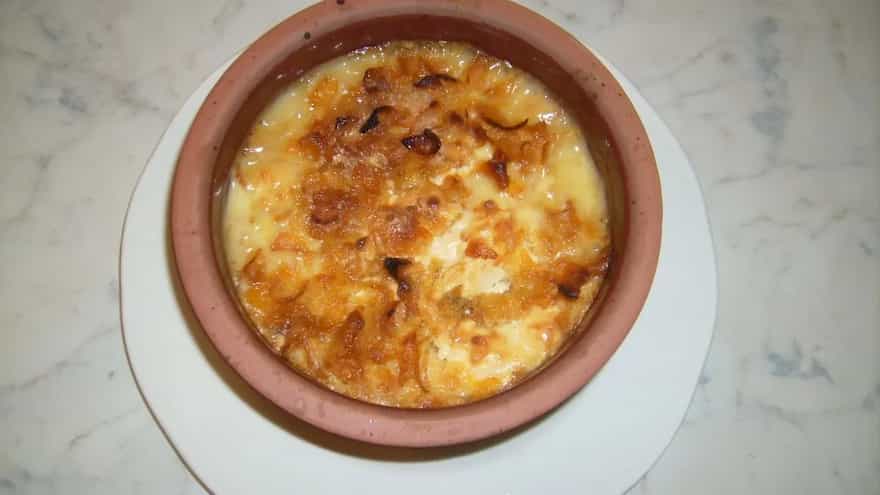
Image credit: Wikimedia Commons
Malva Pudding
Origin: South Africa
Prepare yourself for a dessert experience that is unabashedly decadent. Malva Pudding is a beloved South African classic that technically starts as a baked sponge rather than a raw dough. The sponge itself contains apricot jam, which gives the crumb a uniquely soft texture and a beautifully caramelised exterior. The true magic happens the moment the pudding emerges hot from the oven. A generous amount of hot cream sauce made from butter, sugar and double cream is poured directly over the baked sponge. The cake acts like a vacuum and drinks up every single drop of the rich liquid. The result is a dessert with a gooey, sticky and incredibly moist interior that resembles the syrupy delight of a fresh hot gulab jamun but with a distinctly buttery profile. It is traditionally served warm with a scoop of vanilla bean ice cream or an extra drizzle of custard.
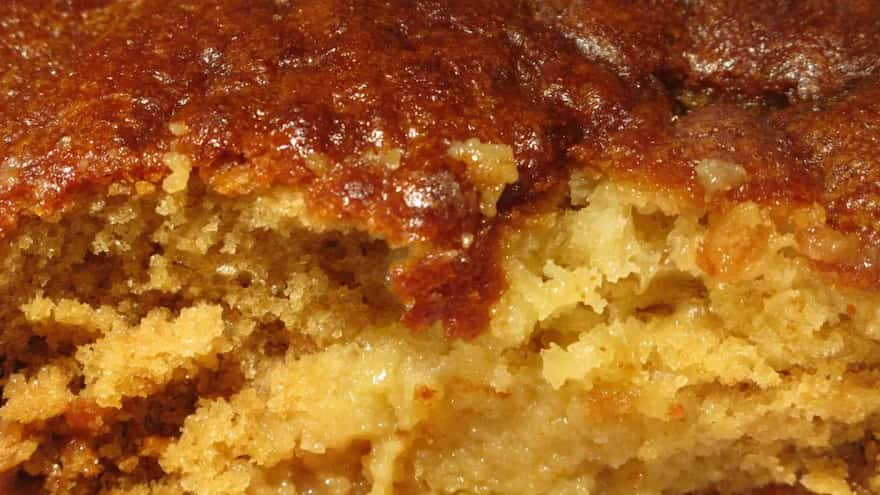
Image credit: Wikimedia Commons
Cuatro Leches
Origin: Latin America
Since we are talking about desserts that appeal to fans of the classic three milk cake, it is only fair to introduce its richer and more decadent cousin known as Cuatro Leches. As the name suggests, this version takes the traditional sponge and adds a fourth dairy element to the soaking liquid or the topping. This fourth addition is usually a thick layer of dulce de leche, which is slowly simmered sweetened milk that has turned into a rich dark caramel. The base sponge is soaked in the standard trio of evaporated milk, condensed milk and heavy cream. However, the addition of the dulce de leche elevates the flavour profile entirely. It introduces a deep roasted sugar flavour that perfectly complements the vanilla sponge. For anyone who appreciates the milky sweetness of a traditional peda, the flavour notes of a Cuatro Leches cake will feel incredibly nostalgic yet wonderfully indulgent.
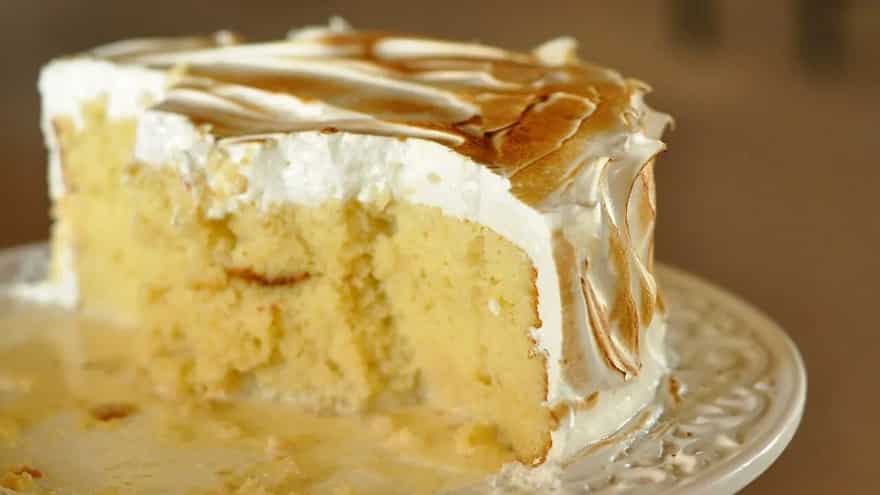
Image credit: Wikimedia Commons
Khao Niao Mamuang
Origin: Thailand
When you want a dairy soaked dessert but crave a tropical twist, this Thai street food classic is the perfect choice. While it does not use cow dairy, it absolutely nails the soaked texture profile using rich plant based milk. Khao Niao Mamuang, widely known as Mango Sticky Rice, is a masterclass in balancing textures and flavours. Glutinous rice is steamed until perfectly tender and then bathed in sweet and slightly salty coconut milk. The grains absorb the liquid and become beautifully plump and glossy. This sticky and rich base is served alongside thick slices of ripe and incredibly sweet mangoes. A final drizzle of thick coconut cream and a sprinkle of toasted mung beans complete the dish. The subtle saltiness in the coconut milk brilliantly highlights the sweetness of the fruit, making it a very refreshing alternative to heavy baked goods.
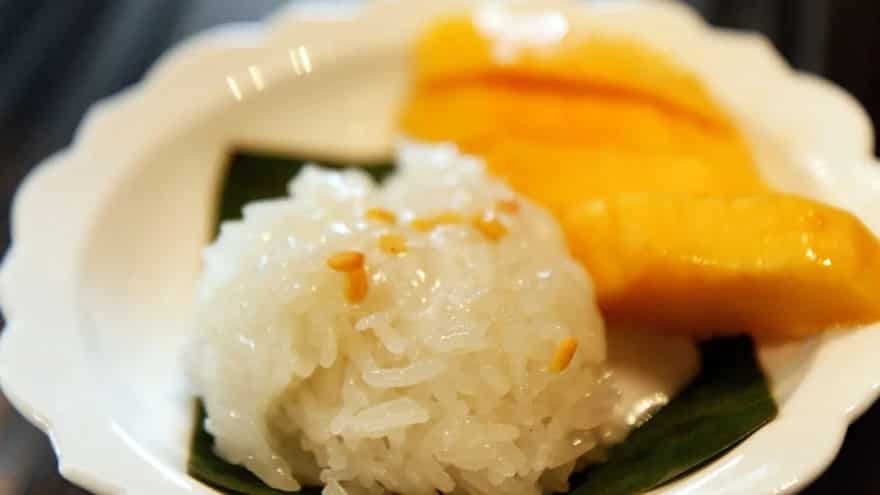
Image credit: Wikimedia Commons
Cassava Cake
Origin: The Philippines
For those who love dense, chewy and incredibly rich sweets, the Filipino Cassava Cake is a total revelation. This traditional dessert swaps out wheat flour for freshly grated cassava root. The cassava is mixed with a luxurious blend of coconut milk, evaporated milk and sweetened condensed milk before being baked into a solid cake. The texture is deeply satisfying. It is slightly gelatinous, very moist and remarkably heavy in the best way possible. Halfway through the baking process, a thick custard topping made from even more condensed milk and coconut cream is poured over the surface. Once fully baked, the top layer caramelises into a beautiful dark crust. It shares the same comforting density as a well made milk fudge or burfi, but with the distinct tropical aroma of coconut and root starch.
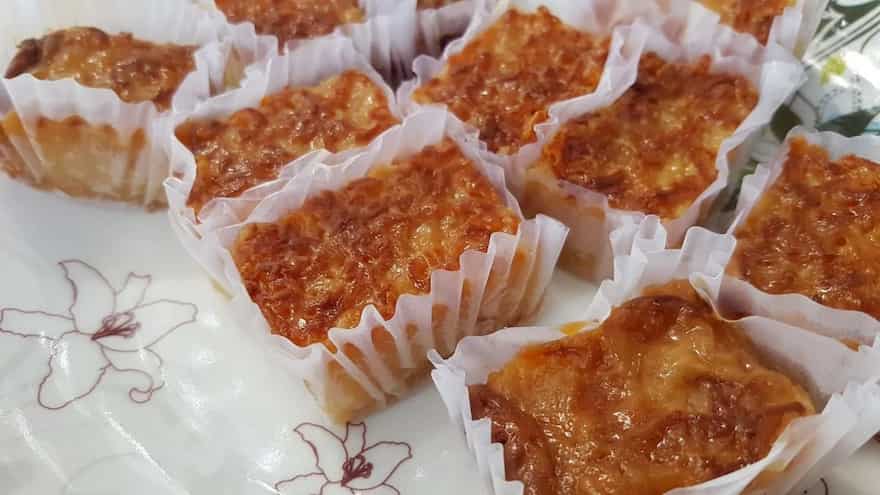
Image credit: Wikimedia Commons




