


 Share
Share

Most foods we consume, have a pH scale that ranges from zero (very acidic) to fourteen (very alkaline). When cooking, it is common that the balance of food shifts towards or away from being acidic which in turn affects the appearance, taste and texture. When exposing protein to acids, it not only adds a sourness to the final preparation but also tenderises it considerably, making it ideal for cooking without drying out excessively. Similarly, alkaline elements help with browning ingredients, breaking down starches and even breaking peptide bonds in protein. Understanding the nature of pH in the kitchen means impacting the colour of vegetables, aiding the development of deeper flavours in baked dishes as well as cooking meat until its just tender enough.
Acids As Seasoning
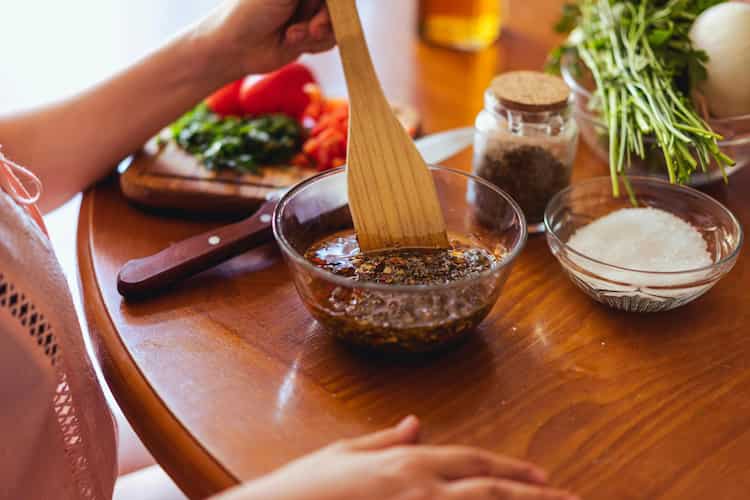
Image Credits: Pexels
Acidic ingredients such as vinegar or lime juice have an inherent tartness and flavour which can be used to enhance the taste of food while cooking. Adding a spoonful to salad dressings, marinades or even as a primary flavouring agent can balance other profiles of salt, sweet or bitter while also affecting texture of leafy greens or meat significantly.
Alkaline Cooking Conditions
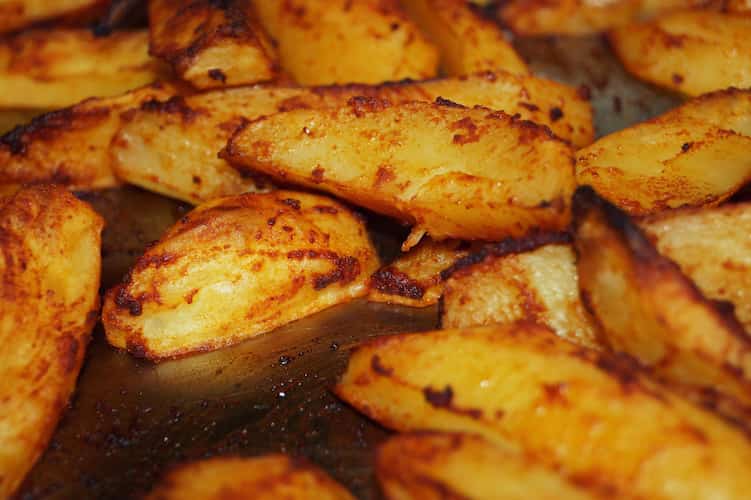
Image Credits: Pexels
For a Maillard reaction to occur, it is important for alkaline conditions to be balanced. When heat transforms sugar compounds and proteins to caramelise and produce roasted, nutty flavours, it is crucial to expose foods to alkaline conditions prior to heat exposure. Take for example the boiling of pretzels in an alkaline bath of baking soda before they are baked - thus helping them produce a rich, brown hue and crisp crust on the outside. Similarly, in everyday cooking, adding baking soda to cooking water in which potatoes are boiled, helps them roast and crisp better when combined with fat since the process helps breakdown the pectin present on the surface. Similarly, blanching leafy greens like spinach or kale in water containing baking soda aids in colour retention.
Cooking With Acidic Ingredients

Image Credits: Pexels
When added to a liquid base like broth or sauce while boiling or marinating, acidic ingredients can bring about transformation in the cooking process. Think ceviche, for example, where lemon juice ‘denatures’ protein and cooks the fish without an active application of heat; or adding a few drops of vinegar to simmering water before poaching eggs, which help the whites coagulate. Using a combination of yoghurt and citrus to marinate chicken for tikkas tenderises the muscle of the poultry and produces tender, moist chunks of meat once coal-grilled.
Also Read:
Alkaline-Processed Ingredients
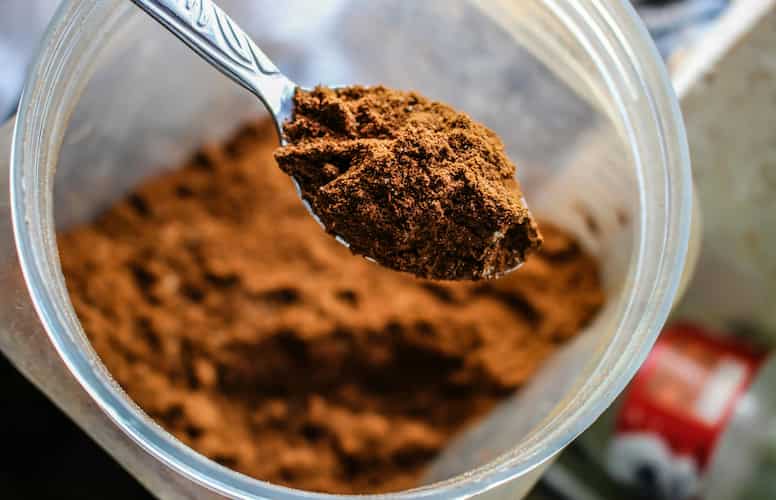
Image Credits: Pexels
Pantry ingredients such as Dutch cocoa powder is treated during processing with an alkaline solution to reduce its acidity and produce a deep chocolate flavour as well as colour, to make gooey brownies, cake and even ice cream. The pantry staple of instant ramen noodles are also processed with alkaline elements to enable the strands to hold their chewy texture and complex flavour in comparison to its fresh or pre-processed counterparts.
Preserving/Fermenting Foods With Acid
Think of instant cucumber pickles made using an acid-forward brine or even sauerkraut and kimchi that sits in a jar over a period of time. While a salt brine helps kickstart fermentation, allowing lactic acid to develop over a few days or weeks, which help produce foods that are full of microbes that impact good gut health. Highly acidic environments help food last longer, thus aiding in preservation of foods that would otherwise be perishable.
Baking With Alkaline Ingredients

Image Credits: Pexels
Baking soda - a naturally alkaline compound, is one of the key ingredients used often to bake a variety of delicacies. The alkalinity accelerates browning reactions, thus helping cakes and pastries develop their golden-brown exterior, while also aiding in the development of flavour. On the other hand, baking powder, which is a mix of sodium bicarbonates (such as cream of tartar) and a starch, to help maintain its stability, does not need any external acidic element to activate it; simply adding moisture and heat usually does the trick.




