


 Share
Share

Most Indian homes cook more than once a day. There’s breakfast, lunch, chai, snacks, and dinner too. The cooktop works all day in many houses. One after another, pots and pans go on it. The Usha Ebony Cooktop is strong, it looks smart, many people like its black glass body and easy flame knobs. It suits flat tawas, big pressure cookers, or steel kadhais.
Still, no matter how well it is made, small things affect it slowly. People forget to clean it the right way, or they use old cookware that doesn’t sit well. Some turn the knobs too fast or press too hard. These seem like small things, but they build up. They wear out parts quicker, and the cooktop loses balance in its performance.
It only takes a little care to fix these issues. Here are five mistakes that many people make while using it. These points can help you avoid extra wear and restore your cooking habits over time.
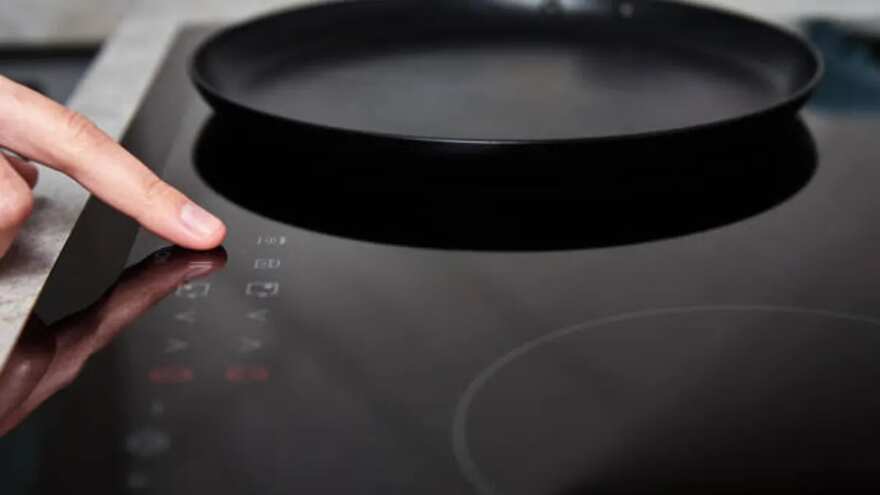
1. Using The Wrong Pan On The Wrong Burner
Not all burners on the cooktop are the same size. Each one is made to fit a vessel of a different size. Many people use a small pan on the big burner, or place a heavy cooker on the smallest one. The heat then spreads incorrectly and the sides of the pot become too hot. The centre stays half-cooked, wasting flame and spoiling food. The big burner works well with deep vessels like biryani pots or kadais. Small burners are good for chai, tadka, or light boiling. Matching the burner to the vessel helps food cook faster and better, and it also keeps the burner rings strong.

2. Wiping The Surface While It’s Still Hot
After cooking, the glass looks messy. Most people want to wipe it quickly, as it feels like a small job. But the glass remains hot after cooking. Putting a wet cloth on hot glass may leave white marks, and it may dull the shine slowly. In some cases, it can also weaken the surface. Let it cool, just wait a few minutes, then wipe it softly with a warm cloth. Use a little soap if needed. Don’t rub too hard; the surface will stay smooth for longer. You don’t need anything fancy, just soft hands and a bit of patience.
If you don’t have Usha’s Ebony Cooktop, Shop Now  .
.
3. Turning The Knobs Too Fast Or With Wet Hands
The knobs are smooth and work well and that is one reason people enjoy using this model. But many people turn them with wet or oily hands. Sometimes, they press down with too much force, and they spin it fast, expecting the flame to start in one go.
This can loosen the inner parts. Over time, the spark becomes slow. The flame doesn’t light up properly, and then people may press harder and make it worse. It’s better to keep your hands dry, turn the knob slowly, wait for the flame to hold steady, and then leave it. This habit keeps the knobs strong for a long time.

4. Using Bent Or Uneven Cookware
Old utensils are everywhere. Many kitchens have a favourite old tawa that wobbles. Or a curved base cooker that doesn’t sit straight. These may be fine on older stoves. But on a flat glass cooktop, they don’t work well. The flame touches only part of the pan. The cooking becomes uneven, and more gas is used. Food sticks or burns on one side. The weight also presses unevenly on the burner ring. This can damage it after daily use. Use flat-bottom pans whenever possible. If a vessel moves or shakes on the burner, keep it aside and use it only when needed.
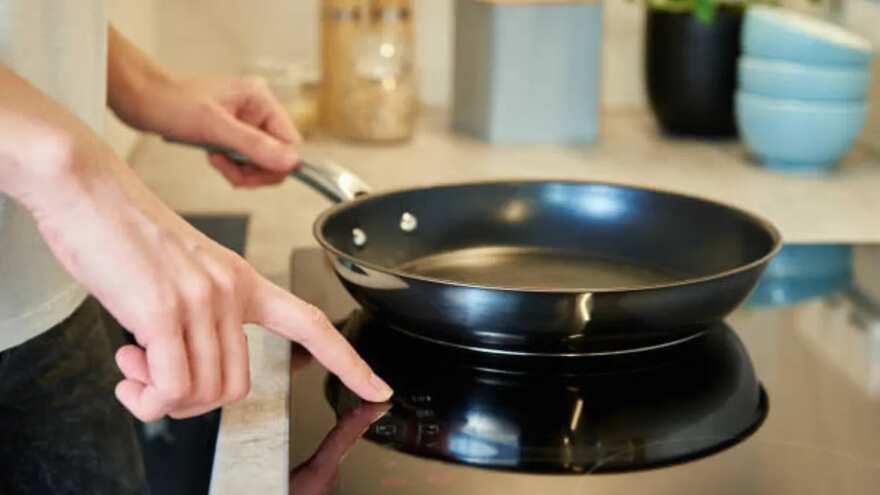
5. Not Cleaning Burners After Food Spills
Milk, dal, or curry sometimes spills out while cooking. It goes straight into the burner holes. When the spill dries, it blocks the flame path. The next time you light it, the flame becomes slow or crooked. Some people keep using it like that, but this makes it worse. The ignition system may also get weak. After a spill, let the burner cool. Take out the top ring and clean it with a dry brush. A toothpick works too for small holes. Don’t wash it under water. Let all parts dry fully, fix them back in place, and use them again.
Small habits matter in everyday cooking. A little care keeps your cooktop working well. When the surface stays clean, the burners stay strong, too. These five mistakes are easy to avoid. If you pay attention, your cooktop will stay in top shape for many years.




