


 Share
Share

When mithai shops promise year-round freshness and the same flavours, sweets like Launglata and Chandrakala sit at the edge of memory. Uttar Pradesh Chief Minister Yogi Adityanath’s recent tweet reflected that every district carries a dish reflecting its local skill, heritage, and economy, bringing these fading desserts back into emphasis. These sweets were never designed for glass counters or long shelf lives. They were prepared for moments.
Modern mithai flourishes on speed, uniformity, and bulk production, while these sweets ask for slow frying, careful making, stuffing, and patience. Many halwais stopped making them simply because they don’t sell fast enough. Yet that very fragility is their strength. Each bite carries texture, warmth, and regional identity that factory-style sweets cannot replicate—making them worth seeking, preserving, and celebrating anew. By CM Yogi's tweet lets take a deep dive into why these sweets are getting lost to time.
Why Are UP's Richest Desserts Missing From Modern Mithai Shops?
From Launglata to Chandrakala, the traditional desserts of UP are slowly disappearing from everyday memory. These sweets require time, skilled hands, patience and practice, luxuries that modern mithai shops often cannot afford. Their short shelf life and light textures do not suit mass production or long-distance transportation, keeping them embedded in local kitchens and halwais. Deeply connected to Awadhi and Purvanchal traditions, these desserts developed from regional ingredients, temperature, and rituals, making them hard to make elsewhere. Listed below are some of the local, authentic sweets that you should try on your visit to UP, to know why they cannot be travelled, and to know how authentic they are.
Launglata, Varanasi–Eastern UP
Launglata is a dessert that is prepared with patience. Made with khoya-stuffed dough pockets or parcels that are sealed carefully and deep-fried until it turns crisp. Hereafter, it is soaked slowly in sugar syrup infused with cloves. The clove is not just a garnish, but it’s the heart of the dish. Launglata is meant to be eaten warm, when the crust crackles, and you get that sugary bite filling that melts gently. It is rarely found outside of UP because it requires time and skill, and nothing that can be prepared in a hurry. If you ever visit Varanasi or UP, trying this is a must to get to know why it is so special.
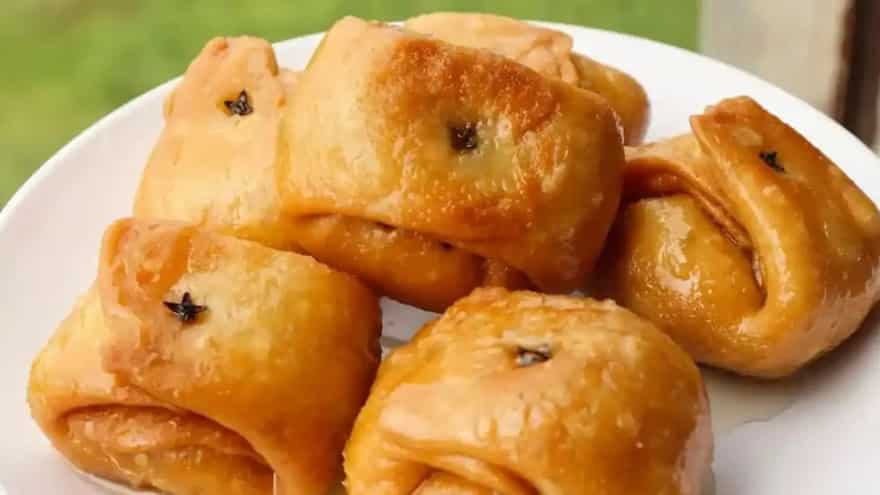
(Image credit: Instagram)
Chandrakala, Barabanki-Awadh
Chandrakala appears festive even before you have a bite of it. Half-moon-shaped dessert, glossy with syrup, and generously filled with khoya, nuts, and cardamom. It appears to be gujiyas, but it’s richer, heavier, and more filling. It is a layered pastry that remains crisp while the filling remains soft and gooey, making a contrast that current sweets often lack. It’s slowly fading away because it does not suit the mass production that sweet shops demand. Eating Chandrakala feels indulgent, like enjoying dessert that is meant only for special days.
Malaiyo, Varanasi
Ask a localite of Varanasi about one thing they wait eagerly for in winters, the answer will be malaiyo, without a second thought.
Malaiyo is not just a dessert; it’s an emotion for people living there. Prepared from milk foam that is collected before sunrise, whipped gently with sugar and saffron, it is found only for a few every year during the cold season. As light as clouds and delicately charming, Malaiyo melts instantly as you keep it on your tongue. It cannot be packed, taken, stored, or rushed, which is why it never crossed Varanasi. Trying Malaiyo once will let you know how season, temperature, and practice can shape flavour more than ingredients can ever do.
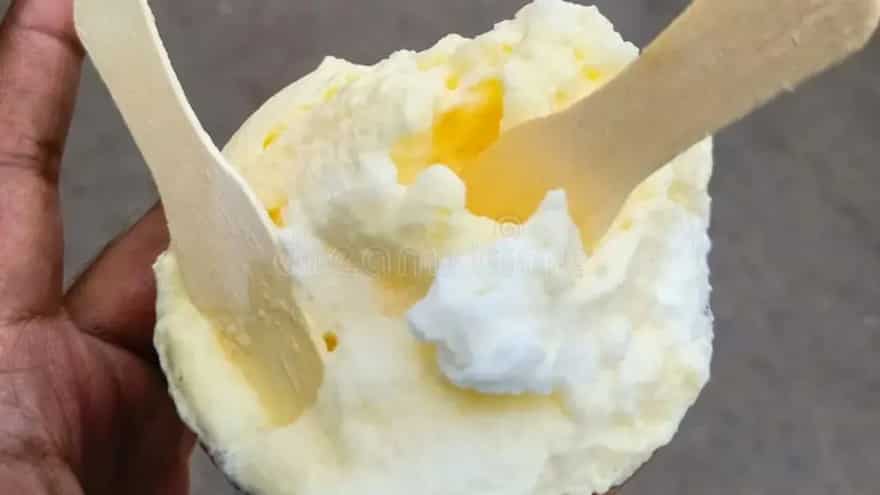
(Image credit: Instagram)
Safed Gajar Ka Halwa, Azamgarh
It is a lesser-known type of the popular red gajar halwa that uses white carrots that can be found only during the winter season. Slower to cook and light in sweetness, it depends heavily on milk, ghee, and, of course, patience. The result is light, subtle, creamy, and extremely comforting rather than just something too sweet. Traditionally prepared at home and not in sweet shops, this halwa is a reflection of rural UP’s approach to desserts.
Khaja, Prayagraj
Khaja is a layered dessert, with thin sheets of dough piled, fried, and soaked in syrup until it turns crisp yet flaky. Often mistaken for something being simple, it needs accuracy to get its signature crunch. As per history, it was prepared during festivals and pilgrimages. Khaja was loved for its long shelf life and sturdy design. Over time, it has lost popularity in the light of other sweets. Have one bite, and you will know the charm: it cracks delicately, tastes lightly sweet, and feels extremely satisfying.
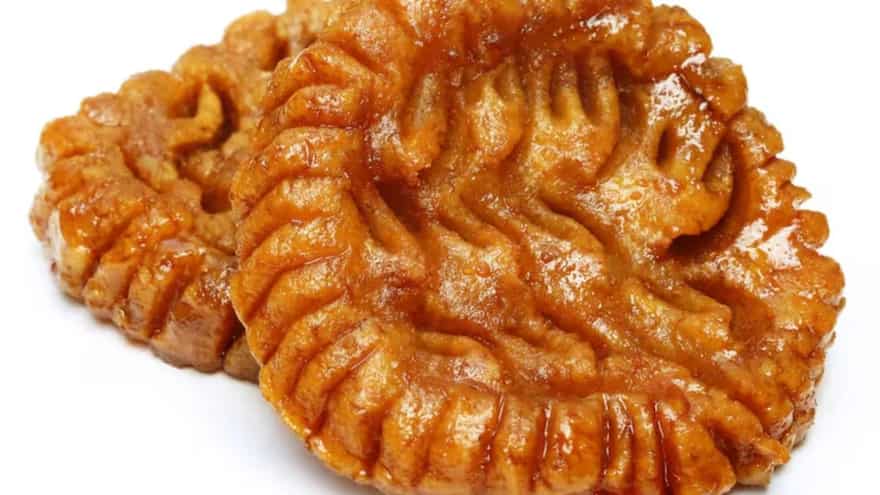
(Image credit: Freepik)




