


 Share
Share

Cluster beans, also commonly called gawar or guar phali, seldom get the attention like bhindi, beans, or other seasonal vegetables. As they have a bit of a bitter taste, it is one of the most misinterpreted vegetables in an Indian household. Yet across many states, cluster beans have been getting prepared for generations in ways that soften their bitterness and maintain their earthy taste.
They are also nutritionally beneficial. Cluster beans have fibre, plant protein, folate, and minerals while still being low in calories. They pair well with ingredients like gram flour, sesame, coconut, and curd, making it relatively easy to use in many regional cuisines.
The secret to enjoying cluster beans is less in the vegetable and more in how it is cooked across regions. From Rajasthan to Maharashtra, the regional recipes of cluster beans show that they evolve rich, comforting, and full of flavour when made with the correct ingredients and process.
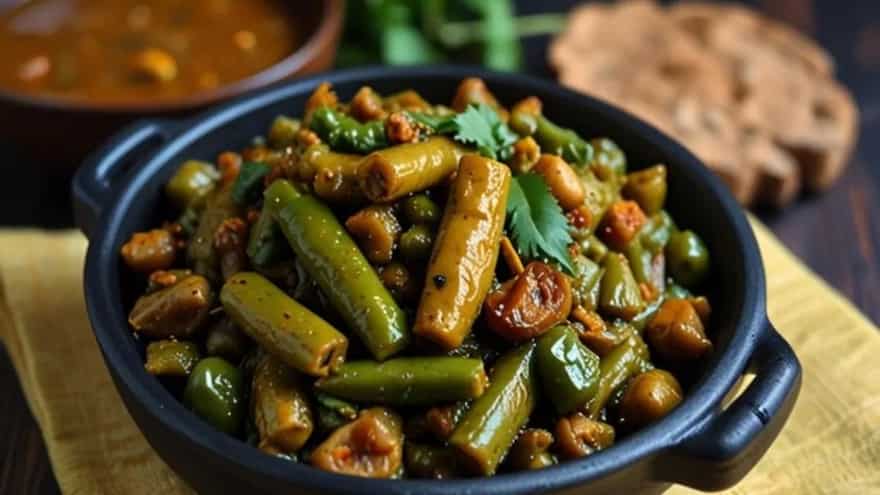
Rajasthan: Gawar Phali Besan Sabzi
In Rajasthan, cluster beans have long been loved because they can tackle heat well and are even available during parched months. For gawar phali besan sabzi, finely chopped beans are cooked until they turn soft and then are coated with roasted gram flour, red chilli, coriander powder, turmeric, and a bit of amchur.
The besan soaks up moisture and makes a crumbly, a bit nutty coating that sticks to every piece. The subtle bitterness of the beans is perfectly balanced by the tang of dried mango powder. The texture remains dry rather than being saucy, making it perfect to pair with bajra roti and phulka
(Image credit: Freepik)
Gujarat: Gawar Nu Shaak
In Gujarat, the strong flavours are softened through balance, and gawar nu shaak is a perfect example of it. Cluster beans are cooked lightly with jaggery, coriander, turmeric, sesame seeds, and light spices. The sweetness does not overwhelm but rounds out the bitterness, making a dish that tastes layered rather than being sharp. Sesame gives it richness while maintaining the lightness of the preparation.
The beans remain soft, having a slight bite, making them enjoyable to eat. Traditionally, it is served with rotli, dal, rice, and kadhi. This preparation shows Gujarat's power to mix sweet, savoury, and earthy flavours all in one dish.
Maharashtra: Peanut Cluster Beans
Maharashtrian cooking often depends on peanuts that give both flavour and texture, and cluster beans fit in perfectly in this combination. The beans are lightly sautéed with little mustard seeds, curry leaves, garlic, and green chillies, and then roasted peanut powder is added to them. The crushed peanuts cover the vegetables, giving richness and reducing the bitterness while making a coarse, crumbly consistency. The nutty taste fully complements the earthy beans perfectly.
The dish is often served along with jowar bhakri, varan-bhaat, or even simply paratha. A squeeze of lemon on the top before serving can further brighten the tastes and add a hint of freshness.
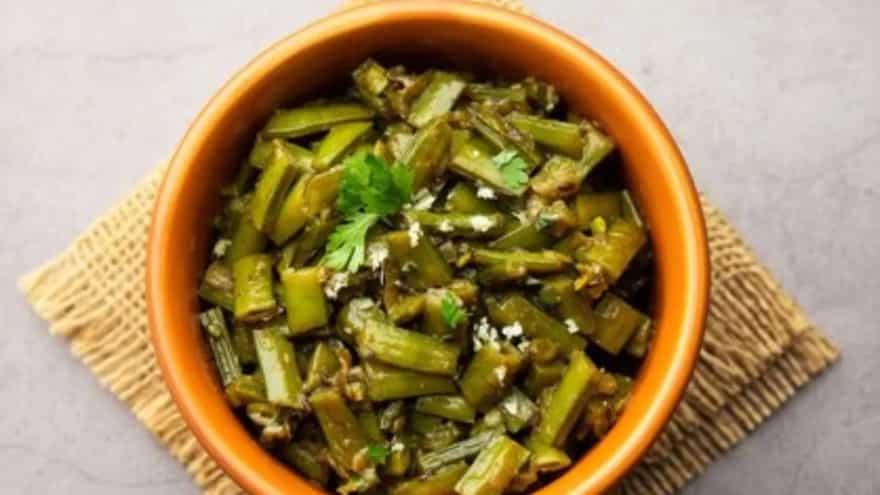
Karnataka: Gawar Palya With Coconut
In Karnataka, cluster beans can usually be seen in palya, a dry vegetable that relies on tempering and fresh coconut. Mustard seeds, urad dal, curry leaves, and chopped green chillies make the fragrant base, and then beans are cooked until they turn soft. Freshly grated coconut is added at the last, which adds to the sweetness and moisture while maintaining the spices' gentleness.
The coconut turns soft, the bitterness, and gives the dish a bit of a creamy finish without making it too heavy. Gawar palya pairs best with rice, rasam, sambar, or curd rice. Its light flavour makes it quite suitable to have in everyday meals.
(Image credit: Freepik)
Mixed Lentil Cluster Bean Curry
Across western India, cluster beans are often mixed with moong dal or chana dal to make a more powerful dish. The lentils turn soft during cooking and release starch, giving the curry a thicker, more satisfying texture. The beans maintain their bite while the lentils add creaminess, making the preparation nutritious and enjoyable.
Turmeric, cumin, ginger, and green chillies deliver warmth without overpowering the vegetable. This dish works particularly well with steamed rice, phulkas, or even millet rotis. The addition of lentils not only enhances protein content but also makes a balanced meal fit for daily cooking.
How To Cook With Cluster Beans
Cluster beans taste a bit bitter if they are not managed properly, but a few simple tricks can make them soft, sweet, and easy to relish. These techniques can help bring out their best flavour in every bite.
1. Older cluster beans can have hard fibres running all along the edges. Cut the ends and pull away the strings before you begin to chop. This will enhance the texture and prevent it from feeling chewy.
2. Boiling the beans for about 4 to 5 minutes before cooking helps in lowering their bitterness and also lessens the cooking time. Once boiled, drain them well before adding to spices or tempering.
3. Adding peanuts, coconut, sesame seeds, curd, or besan works particularly well with cluster beans. These ingredients perfectly balance the bitterness and add richness, making it more enjoyable.
4. Ingredients like amchur, lemon juice, tamarind, or jaggery help in softening the stronger flavours of cluster beans. Many regional recipes rely on this balance to make cluster beans taste fuller.
5. Cluster beans demand gentle cooking to turn tender. Slow cooking lets the spices seep in properly while letting the beans develop a soft texture and deep flavour.




