


 Share
Share

Plum cake is not just a Christmas dessert, but it is an emotion that sets the tone for the festival before it actually arrives. The soaking of fruits, the warm fragrance of spices, and the slow baking process in the oven make expectations long before the first slice is cut. This is why, when a plum cake turns out wrong, it hurts a little more than any other bake. A dry crumb, soaked fruits or a burnt top can instantly dull the festive mood, making all that effort feel wasted. But when baked correctly, a plum cake has all the magic to elevate the festive charm. It fills the kitchen with its comforting aroma, it connects the people closer and makes every bite worth the wait.
Every slice feels rich, moist and intensely spiced, bringing the warmth of Christmas in every bite. A good plum cake baking is not about how perfectly it is baked, but it is about patience, care and letting the flavours develop gradually. When a plum cake turns out well, it is more than a dessert; it becomes an integral part of the celebration.
Don’t Rush The Fruit Soak
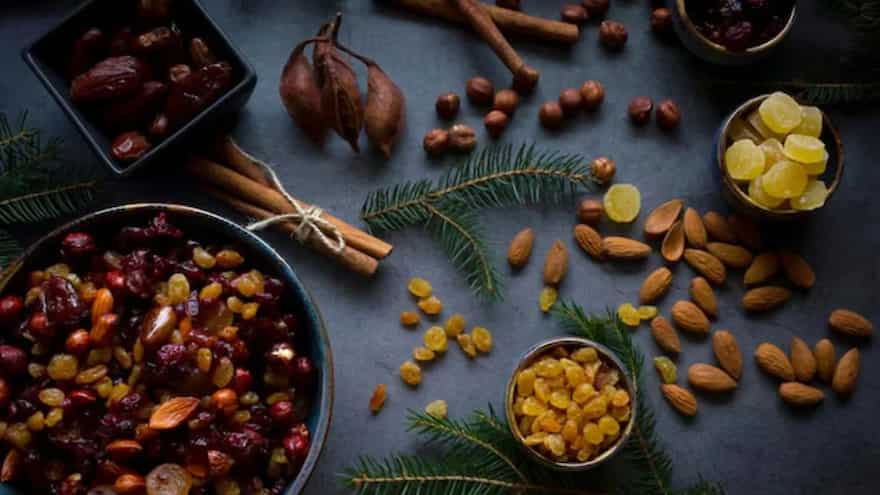
That deep, festive flavour does not come naturally; it begins days earlier. Soaking the dry fruits in rum, wine, or orange juice helps them in plumping them up and makes them softer. If you use dry fruits straight from the packet, it will steal moisture from the batter, making the cake dense and dull. Stir the soaked dry fruits every day so that the flavours distribute evenly. When fruits are juicy and aromatic, they are ready to use. This single step decides whether the plum cake will taste like “homemade” or will be Christmas-worthy.
Flour The Fruits
Have you ever cut the plum cake and found all the fruits sitting at the bottom? This is where gravity will work. Add some soaked fruits lightly to the flour before adding them to the batter. This thin coating will help in suspending them evenly while baking. Add the soaked fruits gently, and do not stir aggressively, or you will reduce the batter. A well-balanced slice of plum cake should deliver fruit in every bite, not just a fruit-heavy base and too dry on top. This is a small step, big visual and as a textural promotion.
Butter Temperature Can Make Or Break
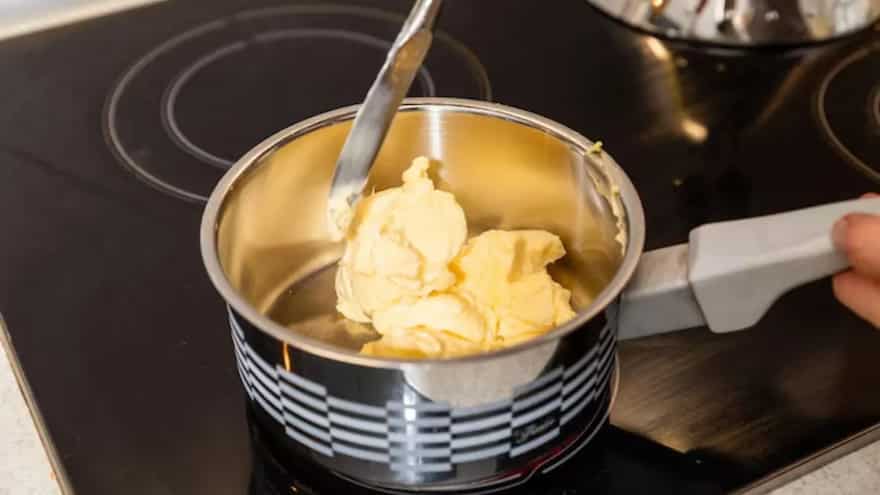
Cold butter will not cream properly, but melted butter will not trap air. The sweet spot is the soft butter that leaves a mark when pressed but will still hold its shape. Creaming butter and sugar perfectly adds air, which gives the plum cake its soft crumb rather than a heavy and oily texture. Take the butter out 30 to 40 minutes earlier, particularly during winter. This step may not feel so important, but it will quietly determine whether the cake feels rich or brick-like.
(Image credit: Freepik)
Bake Low And Slow
Plum cake does not like a hurried process. High heat turns the outside brown, whereas the centre remains raw. Bake at a lower temperature, around 160–170°C and give it some time. If the top browns too fast, tent it loosely with foil. The slow bake will allow fruits to remove moisture slowly, and spices will bloom fully. When a skewer comes out with a few moist crumbs, and not wet batter, it’s excellent. Patience here is the key that equals the flavour.
Rest The Cake Before Cutting
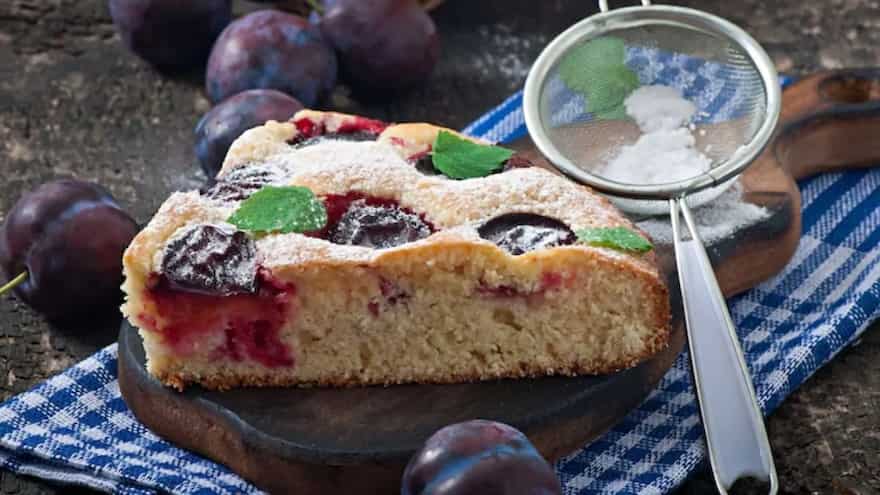
Freshly baked plum cake will smell compelling, but cutting it hot will ruin its texture. Resting the cake will allow the moisture to redistribute and flavours to settle. Wrap the cooled cake in foil or parchment paper and let it sit overnight. The next day, spices deepen, fruits soften more, and the crumb becomes every slice-worthy. That “better the next day” magic is not a myth, but is chemistry. Waiting will turn a good bake into a special Christmas tradition.
(Image credit: Freepik)




