


 Share
Share

If you walk through the humid, bustling streets of Hanoi or Ho Chi Minh City at mid-day, you will notice locals huddled around low plastic stools, clutching glasses filled with colourful layers, ice, and various jellies. This is Chè. Pronounced roughly like the first syllable of the word cherry, it is a broad term that encompasses any traditional Vietnamese sweet beverage, dessert soup, or pudding. While we are used to the dairy-heavy richness of kheer or the floral sweetness of falooda, Chè includes coconut milk, legumes, tubers, and tropical fruits. It is often naturally vegan and gluten-free, making it a brilliant alternative for those looking for lighter summer indulgences. The magic of Chè lies in its textures: you might find the chewiness of tapioca pearls, the crunch of water chestnuts, and the creaminess of mung beans all in one mouthful.
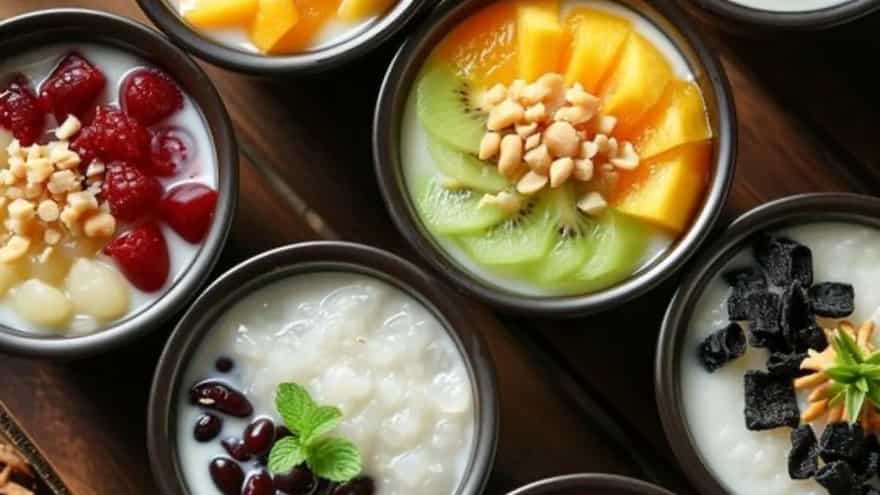
Image credit: Adobe Stock
A Brief History And Cultural Significance
The origins of Chè are deeply intertwined with the Chinese influence on Vietnamese cuisine, specifically the tradition of tong sui or sweet soups. However, over centuries, Vietnam adapted these recipes to reflect its own agricultural bounty. The country is divided into three main culinary regions, each bringing its own flair to the dessert. In Northern Vietnam, Chè tends to be more understated and less sweet, often focusing on simple ingredients like lotus seeds or green beans. As you move South, the desserts become more flamboyant and indulgent, heavily featuring coconut cream and a wider variety of tropical fruits like jackfruit and durian.
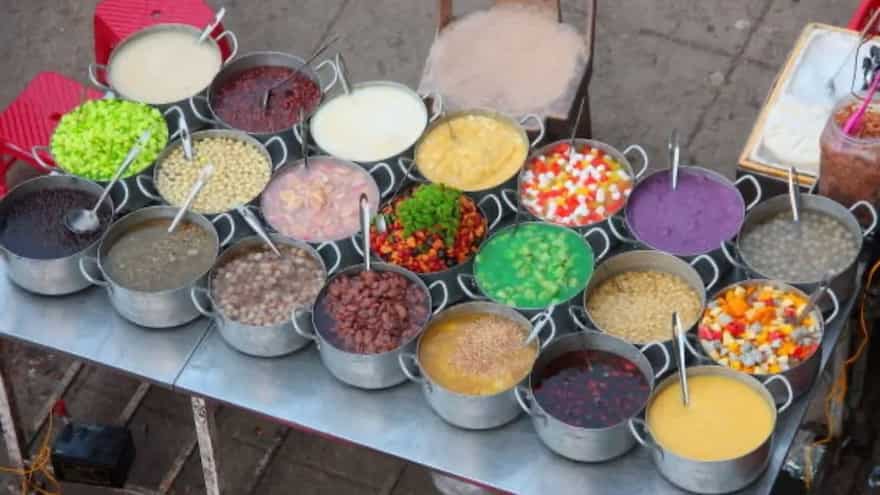
Image credit: Adobe Stock
Significance goes beyond mere sugar. Chè is a communal food. It is what you eat after school with friends, what families prepare for the Lunar New Year (Tet), and what is offered at temples. It represents the resourcefulness of the Vietnamese people: taking humble ingredients like corn, beans, and cassava and transforming them into something elegant and revitalising. For an Indian audience, the use of mung beans (moong dal) and coconut milk provides a bridge between our cultures, reminding us that the love for sweetened lentils is a shared Asian heritage.
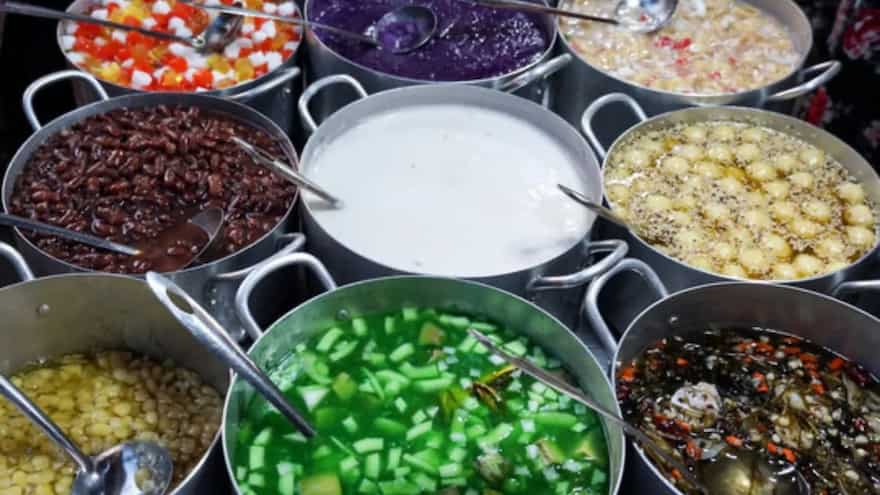
Image credit: Adobe Stock
Five Chè Variations To Make At Home
You do not need a specialized pantry to start your Chè journey. Most ingredients are already staples in Indian kitchens or easily found at your local grocer.
1. Chè Ba Màu (The Three-Colour Dessert)
This is perhaps the most iconic variation, easily recognised by its vibrant layers of yellow, red, and green. It is essentially a parfaits more refreshing cousin.
Ingredients:
• One cup red kidney beans (rajma), cooked until soft with sugar.
• One cup yellow mung beans (moong dal), steamed and mashed into a paste with a little coconut milk.
• Green jelly: you can use agar-agar flavoured with pandan leaf or even a simple vanilla extract with green food colouring.
• Coconut sauce: boil coconut milk with a pinch of salt and a teaspoon of cornstarch to thicken.
• Crushed ice.
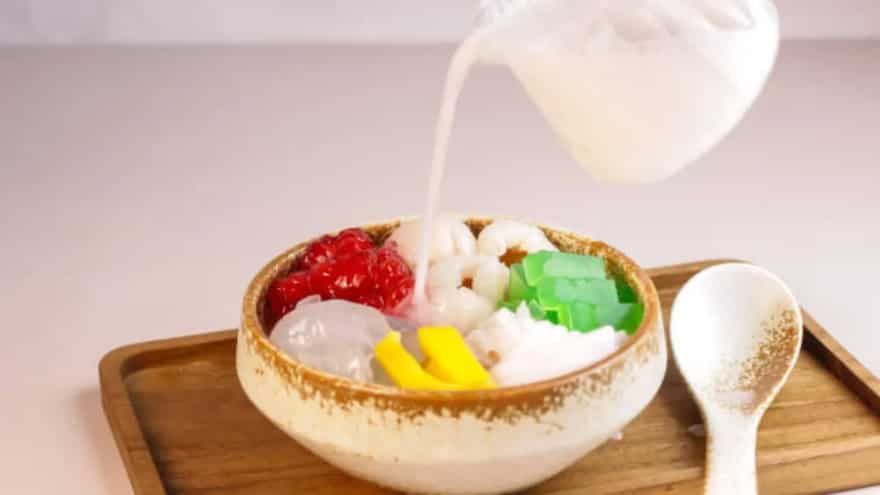
Image credit: Adobe Stock
Method:
Layer the ingredients in a tall glass starting with the red beans, followed by the yellow mung bean paste, and then the green jelly. Pour a generous amount of the thickened coconut sauce over the top. Fill the remaining space with crushed ice. Stir it all together before eating to create a creamy, multicoloured delight.
2. Chè Chuối (Banana and Coconut Sweet Soup)
If you love the comfort of a warm pudding but want something that can also be served cold, this is the perfect choice. It uses small, firm bananas which hold their shape well during cooking.
Ingredients:
• Four firm bananas, sliced into rounds.
• Half a cup of small tapioca pearls (sabudana), soaked for twenty minutes.
• Two cups of coconut milk.
• A pinch of salt and three tablespoons of sugar.
• Roasted peanuts for garnish.
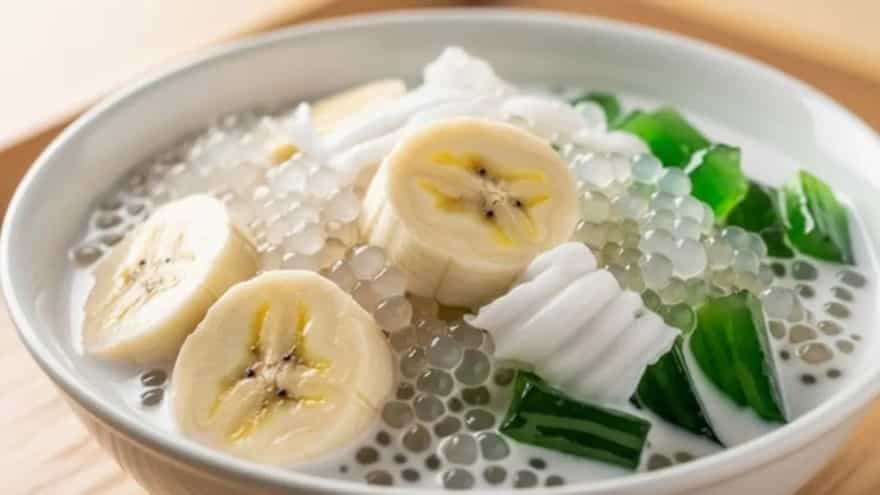
Image credit: Adobe Stock
Method:
In a pot, bring the coconut milk, sugar, and salt to a gentle simmer. Add the soaked tapioca pearls and cook until they become translucent. Drop in the banana slices and cook for another five minutes until they are soft but not mushy. Serve it warm on a rainy evening or chill it in the fridge for a refreshing afternoon snack. Top with crushed roasted peanuts for a salty crunch that cuts through the sweetness.
3. Chè Bắp (Sweet Corn Pudding)
Corn in a dessert might sound unusual to some, but the natural sweetness of fresh corn pairs beautifully with coconut. This variation is silky, thick, and incredibly satisfying.
Ingredients:
• Two ears of fresh sweet corn, kernels scraped off.
• One tablespoon of glutinous rice (optional, for thickness).
• Three cups of water or thin coconut milk.
• Sugar to taste.
• A splash of coconut cream for the topping.
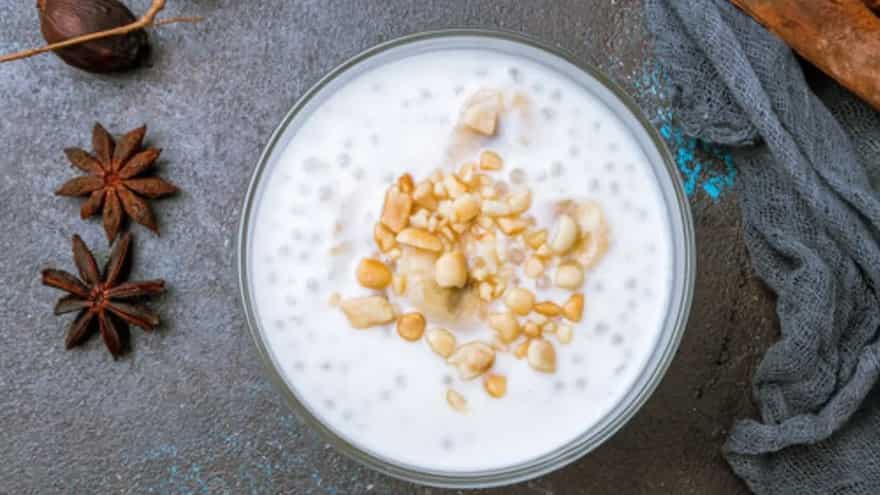
Image credit: Adobe Stock
Method:
Boil the corn kernels in water or thin coconut milk until tender. If you want a smoother texture, you can lightly pulse half the corn in a blender before adding it back. Stir in sugar and a little cornstarch slurry to reach a pudding-like consistency. Serve in small bowls with a swirl of thick coconut cream on top. It is simple, earthy, and very cooling.
4. Chè Đậu Xanh (Mung Bean Refreshment)
This is the simplest version and will feel very familiar to anyone who enjoys Moong Dal Payasam. However, the Vietnamese version is often served as a clear, thin soup or a thick paste depending on the region.
Ingredients:
• One cup yellow mung beans, soaked.
• Five cups of water.
• Sugar to taste.
• Slices of fresh coconut or aloe vera cubes.
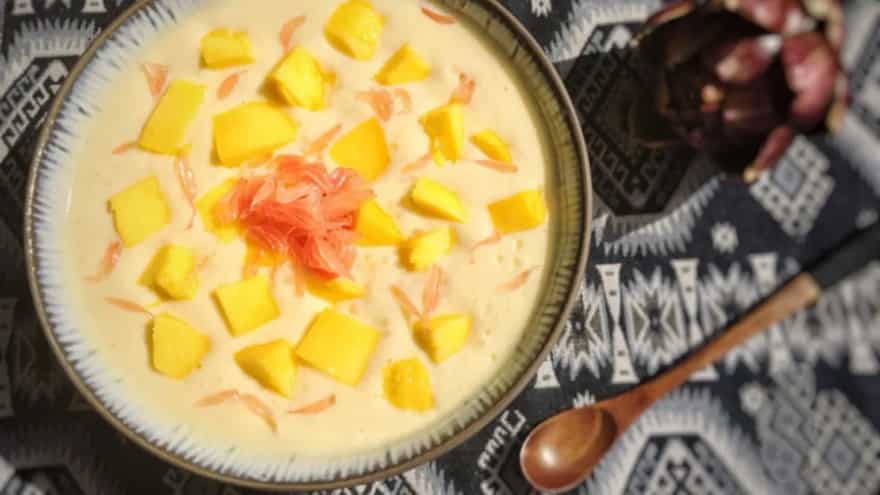
Image credit: Wikipedia
Method:
Cook the mung beans in water until they are completely broken down and soft. Add sugar and stir until dissolved. For a refreshing twist, add cubes of aloe vera or thin strips of fresh coconut meat. This version is particularly famous for its medicinal properties in Eastern culture, believed to detoxify the body and reduce internal heat during peak summer.
5. Chè Thái (Vietnamese Fruit Cocktail)
Inspired by Thai flavours, this version is a fruit lovers dream. It is basically a tropical fruit salad swimming in a lake of sweetened coconut milk.
Ingredients:
• A mix of tropical fruits: jackfruit strips, lychees, longans, and mango cubes.
• Green jelly strips (agar-agar).
• One cup of coconut milk mixed with a little condensed milk.
• Crushed ice.
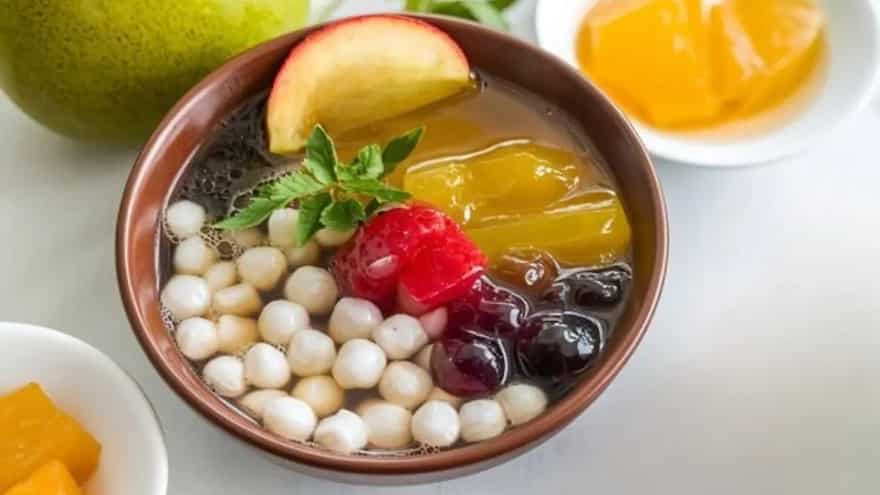
Image credit: Adobe Stock
Method:
This variation requires no cooking of the main components. Simply toss the fruits and jelly strips into a large bowl. Pour the mixture of coconut milk and condensed milk over them. Serve in bowls over a mountain of crushed ice. It is the ultimate party dessert because it looks spectacular and requires minimal effort.
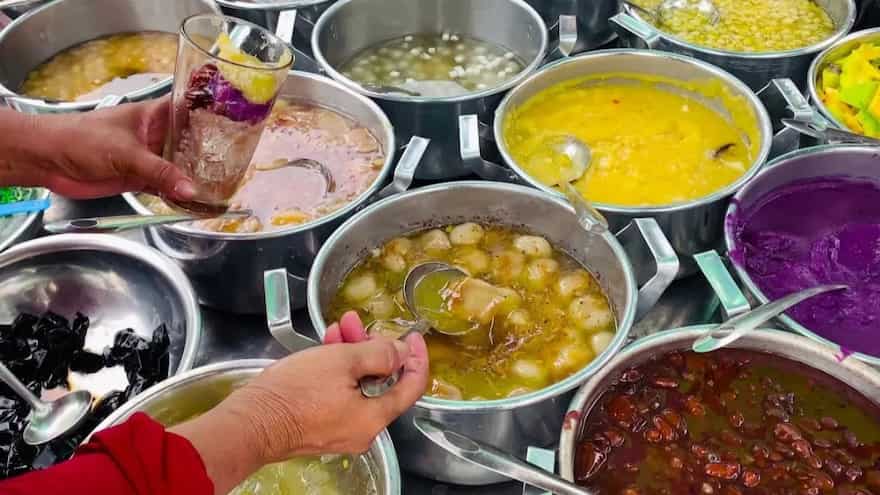
Image credit: Asia Legend Travel
Tips For The Perfect Home-Made Chè
To truly master these desserts, remember that balance is key. Vietnamese sweets often use a tiny pinch of salt in the coconut milk; this is not a mistake. The salt enhances the richness of the coconut and prevents the sugar from becoming cloying. Secondly, pay attention to the ice. Chè is rarely served as a solid block of fridge-cold pudding. The addition of crushed ice is vital because as it melts, it thins out the thick coconut sauces and adjusts the sweetness to a perfect level. Finally, do not be afraid to experiment with Indian ingredients. If you cannot find pandan leaves, use a drop of rose water or kewra essence. The spirit of Chè is about using what the land provides to create a moment of cool relief in the middle of a hot day.




