


 Share
Share

Every year on 30 March, the world pauses to celebrate a culinary icon that has sustained generations: the humble idli. While its origins are often debated between historians pointing toward ancient Indonesia and those citing early Kannada literature, the idli has undeniably become the soul of the Indian breakfast table. It is soft, steamed, and deceptively simple. However, World Idli Day is not just about tradition. It is about the evolution of a dish that has proven to be a versatile canvas for global flavours. The inception of World Idli Day itself is a fascinating story. It was started in 2015 by M. Eniyavan, a Chennai based idli enthusiast who dedicated his life to making hundreds of varieties of this steamed delight. Since then, the day has grown into a global trend where chefs and home cooks alike experiment with the boundaries of what an idli can be. For the modern Indian palate, which craves both nostalgia and novelty, fusion is the natural next step.
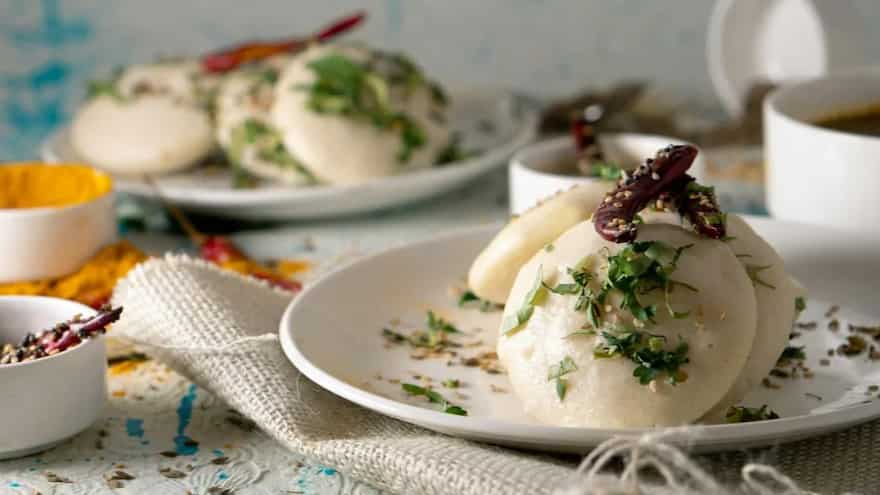
Image credit: Pexels
From a nutritional standpoint, the idli is a powerhouse. The combination of parboiled rice and urad dal provides a complete protein profile, while the fermentation process introduces probiotics that are essential for gut health. It is naturally gluten free and low in calories, making it the perfect candidate for a healthy makeover. Here are five innovative fusion ways to enjoy this classic staple that will make you look at your idli steamer in a whole new light.
1. The Indo Chinese Chilli Idli
This is perhaps the most beloved entry point into the world of fusion. The Chilli Idli takes the neutral, spongy base of the idli and transforms it into a spicy, tangy, and crunchy snack that rivals any restaurant style Manchurian. The key to a great Chilli Idli is using cold, day old idlis. Freshly steamed idlis are often too soft and might crumble when tossed in a wok. To prepare this, you cut the idlis into bite sized cubes and shallow fry them until they develop a golden, crispy exterior. In a separate pan, you sauté garlic, ginger, and green chillies in sesame oil. Add diced onions and bell peppers, keeping them slightly crunchy to provide a contrast to the soft idli centre. A splash of dark soy sauce, green chilli sauce, and a hint of vinegar creates that signature Umami flavour profile. Toss the fried idli cubes into this glaze and garnish with a generous handful of chopped spring onions. It is the perfect evening snack that marries the best of Chennai and Sichuan.
Image credit: Pexels
2. The Idli Slider Revolution
Who says burgers need bread? The dense yet soft texture of a mini idli or a sliced large idli makes for an excellent gluten free bun alternative. The Idli Slider is a fantastic way to introduce South Indian flavours to a younger audience or to serve as a sophisticated appetiser at a dinner party. For the filling, you can go in several directions. A popular choice is a spicy potato patty, similar to a Vada Pav, but seasoned with curry leaves and mustard seeds. Alternatively, for a more contemporary twist, you could use a pulled jackfruit filling or a pan seared paneer slab marinated in Chettinad spices. To assemble, spread a layer of coconut chutney or a spicy gunpowder podi mixed with ghee on the idli halves. Place your patty, add some pickled onions for acidity, and secure it with a toothpick. This fusion dish retains the comfort of an idli while offering the handheld convenience of a modern slider.
Image credit: Pexels
3. Pesto Tadka Idli: Mediterranean Meets Madurai
This fusion idea focuses on the aromatic potential of herbs. Basil pesto is a staple of Italian cuisine, rich with the flavours of pine nuts, parmesan, and olive oil. When you introduce this to the idli, the result is a sophisticated dish that feels incredibly light and fresh. Instead of the usual coconut or tomato chutney, you toss steamed idli quarters in a fresh pesto sauce. To ground the dish in Indian flavours, you can add a desi tadka or tempering at the end. Heat some coconut oil and crackle mustard seeds, dried red chillies, and a few curry leaves. Pour this over the pesto coated idlis. The nuttiness of the pesto pairs beautifully with the earthy aroma of the tempering. This dish works exceptionally well as a light lunch or a brunch centrepiece, proving that fusion does not always have to be about heavy sauces or deep frying.
Image credit: Pexels
4. The Idli Pizza Bake
The Idli Pizza is a brilliant solution for parents trying to sneak healthy fermented foods into their children’s diet. By using the idli as a base, you eliminate the need for refined flour pizza crusts while maintaining that satisfying, bready bite. To make this, you can use large, flat idlis. Spread a layer of chunky tomato sauce or even a spicy red bell pepper chutney over the top. Load it with colourful vegetables like sweetcorn, olives, and diced capsicum. Sprinkle a moderate amount of mozzarella or a sharp cheddar and bake it in the oven or a covered pan until the cheese is bubbling and slightly caramelised. The porous nature of the idli allows some of the tomato juice to seep in, making every bite succulent. It is a guilt free way to satisfy those pizza cravings while staying true to your roots.
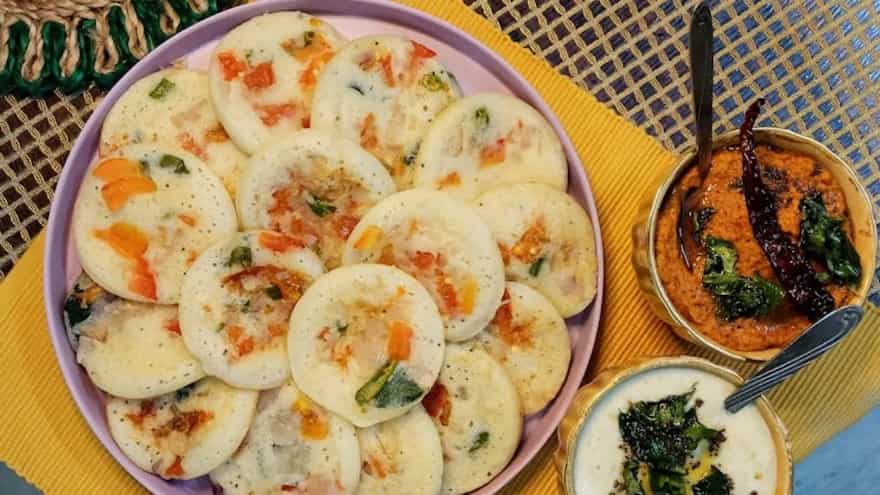
Image credit: Pexels
5. The Sweet Idli Kheer
For the final fusion, we move into the realm of desserts. While idlis are almost always savoury, their neutral flavour makes them a surprising candidate for sweet treats. The Sweet Idli Kheer or Rabri is a play on the classic Rasmalai. The process involves cutting idlis into tiny pearls or small cubes and lightly sautéing them in ghee until they are slightly firm. These are then dropped into a pot of thickened, sweetened milk that has been infused with saffron, cardamom, and rose water. Allow the idlis to soak for a few minutes so they absorb the aromatic milk, becoming soft and juicy. Garnish with slivered almonds and pistachios. This dessert is a conversation starter and a testament to the idli’s incredible adaptability. It proves that with a bit of imagination, this breakfast staple can end a meal just as beautifully as it starts one.




