


 Share
Share

Cauliflower is that one vegetable that people usually tend to forget after buying, until it shows up a week later with brown spots. Because it is full of moisture and tightly packed, it tends to trap humidity, which makes it spoil faster than other veggies, such as carrots or potatoes. A small mistake, like washing it too early, packing it in a non-ventilated bag, or pushing it to the back of the fridge, is enough to turn fresh gobhi dull, smelly, or stale.
But it does not have to be a race against time every time you purchase it. With a few smart practices, choosing the right one, storing it so it can 'breathe', controlling moisture, and freezing it at the right stage, you can smoothly stretch its life by many days, even weeks later. The results: less waste, more occasional last-minute grocery runs, and more gobhi when you want it.
Pick The Right Cauliflower
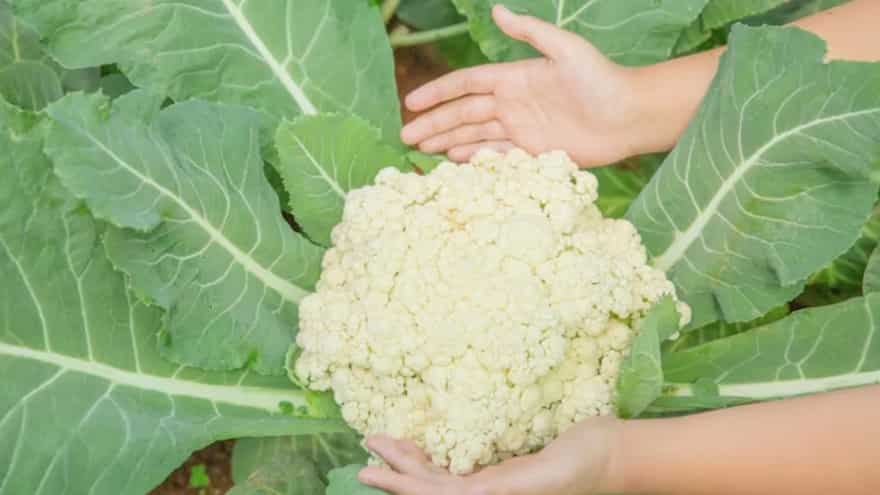
Freshness begins in the market. Pick a firm, heavy head that has tightly packed florets. No brown spots, and deep green leaves hugging the stem, which is its natural 'freshness jacket.' Avoid the soft, dull, or speckled florets as they will turn bad quickly, no matter how well you keep them. Treat cauliflower like an asset: a good pick will give you more meals and less waste.
(Image credit: Freepik)
Don’t Wash Immediately
The intuition is to wash vegetables as soon as you reach home after buying them, but excess moisture is cauliflower’s enemy. Rather, remove the outer leaves, cut the base, and separate into florets if you like. Pat everything dry thoroughly, then wrap loosely in a tissue or paper towel and place the refrigerator. This helps in absorbing the extra moisture while allowing the vegetable to breathe, helping it remain crisp instead of turning slimy.
Store It Properly
Cauliflower, when kept anywhere in the fridge, usually ends up being forgotten and spoiled. Store it in the vegetable drawer, where humidity is higher and temperature is steadier. Keep it away from food that has strong smells, such as onions, because cauliflower absorbs the strong odour easily. When it’s visible and properly kept, you will more likely use it through the week by mixing in parathas, soups, or even bhajis, instead of finding it kept at the back when it's too late.

(Image credit: Freepik)
Blanch And Freeze
If you know you will not be able to finish the whole of the cauliflower early, do not wait for it to go bad. Cut into florets, blanch in boiling water, cool in ice water, drain, and pat dry thoroughly. Spread on a tray to freeze separately, then keep in an airtight container or ziplock bag. This quick process locks the colour and texture, giving you ready-to-cook gobhi for stir-fries, sabzi, pulao, or roasting on mid-week busy days.
Rescue Slightly Old Cauliflower Creatively
Not all cauliflowers that turn brown mean it’s time to discard them. If it has just a few brown spots or appears a little tired, trim the discoloured pieces and convert it into dishes where texture does not truly like soups, purees, bharta-style, keema or the stuffed parathas. Cooking it with spices, onions, and tomatoes can change its taste. This way, you will not only reduce the food waste, but will save money, and turn the “almost gone” gobhi into a comforting meal.

(Image credit: Freepik)




